The clarity hits suddenly
You come off SSRIs and something shifts fast. Not gradually. Within days or weeks, you notice things feel sharper. Textures matter again. Touch registers. Your body wakes up like a dimmer switch finally cranked back to full brightness. And if you've been using a clitoral vibrator while on antidepressants, the experience changes completely.
This isn't imagined. It's not placebo. The drug flattened dopamine and serotonin transmission in ways that directly quieted arousal. Now that it's gone, your nervous system is relearning how to respond.
What SSRIs actually do to sensation
Most antidepressants work by increasing serotonin availability in the brain. That's helpful for mood. It's terrible for sex. Serotonin activation in the dorsolateral prefrontal cortex (the part that thinks and judges) goes up, while activity in the brain regions that process reward and sensation goes down. It's like someone turned down the volume on your entire pleasure system.
This affects arousal in three concrete ways:
Delayed or missing orgasm. The orgasmic response requires a sharp spike in neural activity. When serotonin is elevated, that spike takes longer to build, or doesn't happen at all. Many people on SSRIs can become completely anorgasmic.
Reduced genital sensation. Blood flow to the clitoris during arousal decreases. The tissue feels less responsive, less sensitive to direct stimulation. Vibration feels muffled, distant.
Lower desire. You're not in the mood. Not because life is hard, but because the circuitry that generates sexual motivation has been dampened. Desire isn't an emotion you feel. It's a neurochemical state you inhabit. SSRIs change that state.
Why stopping them creates such a noticeable shift
When you discontinue SSRIs, the rebound doesn't happen evenly. Some people taper slowly (the right approach). Others stop abruptly (not ideal, but the body adapts). Either way, within 2-4 weeks, serotonin returns to baseline and dopamine pathways wake back up. The clitoral tissue receives better blood flow. The reward circuits in your brain start firing again when you're touched.
The shift is often jarring because you've become used to functioning without desire. Suddenly it's there. Suddenly a touch that felt nothing three weeks ago now sends a signal up your spine.
If you've been using lemon vibrators or other clitoral vibrators during the flatness, you might have turned up the intensity to compensate, or stopped using them entirely because they felt pointless. Now that sensation has returned, that same intensity might feel overwhelming.
How your body responds differently now
Think of it like this: you've spent months with the sensitivity dial set to 3. Now it's back to 8 or 9. The same toy, the same stimulation, hits differently because your nervous system is more responsive.
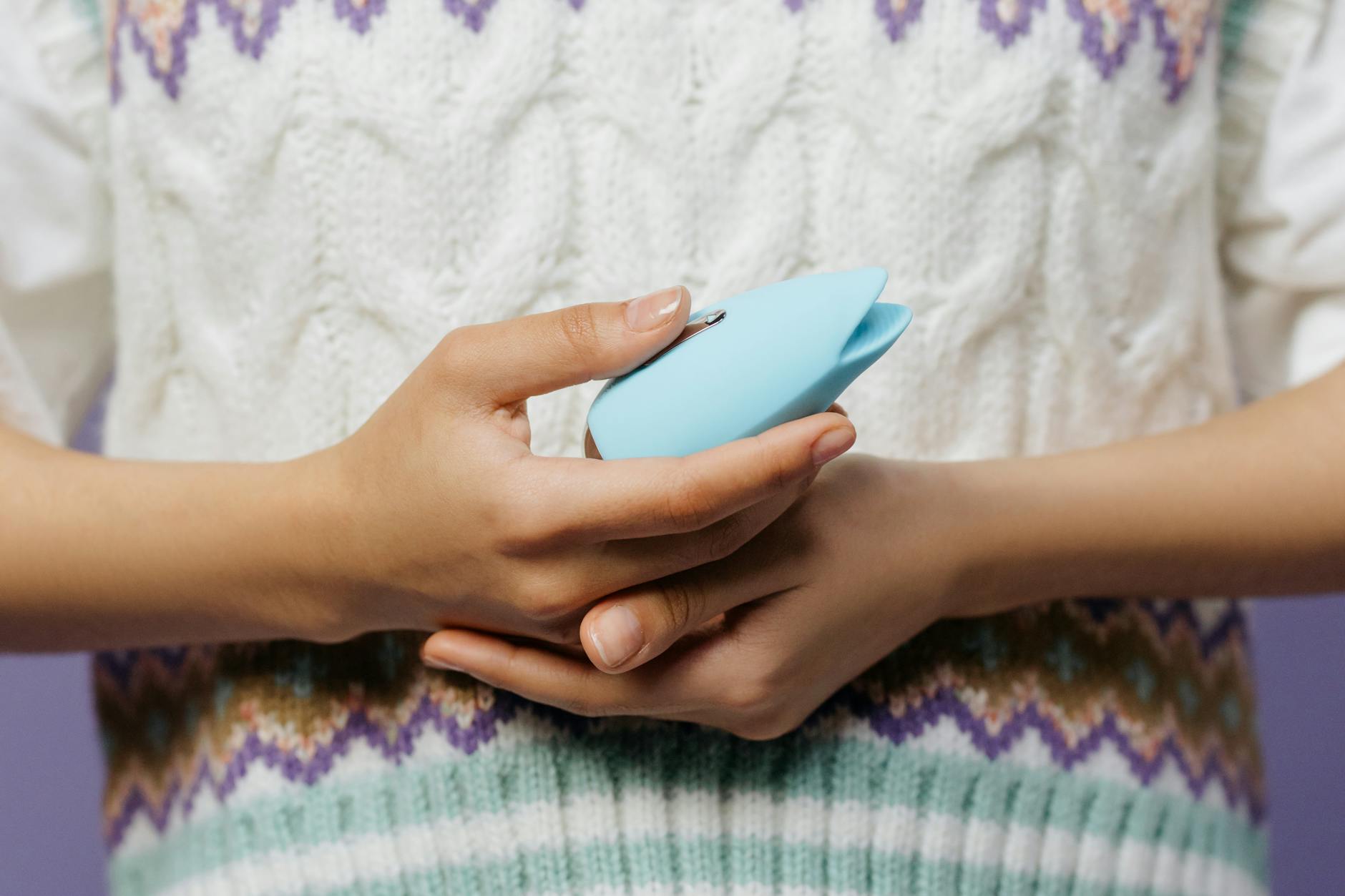
Here's what often happens with lemon clitoral vibrators specifically, since their suction mechanism works by stimulating nerve pathways rather than direct vibration:
Earlier arousal. The suction sensation that barely registered on medication now triggers visible blood flow and lubrication within minutes instead of 20 minutes.
Lower optimal intensity. Many people find they need to start on pattern 1 instead of pattern 3. The sensation is sharper, so more feels like too much initially.
Faster orgasms. If you were anorgasmic on SSRIs, you might orgasm for the first time in months or years. That's real and profound. Your body hasn't forgotten how.
Sensation in adjacent areas. You might notice the inner thigh, the lower belly, even the breasts feel more alive during arousal now. The whole system is more sensitive.
The adjustment period (it's real)
Your body doesn't instantly recalibrate. For 4-8 weeks after stopping SSRIs, pleasure can feel unpredictable. One day arousal feels easy and sharp. The next day it's muted again. This is normal. Your serotonin and dopamine systems are rebalancing. Expect fluctuation.
During this time, patience with yourself matters more than trying to recreate the pleasure you remember from before the medication. You're not returning to an old baseline. You're establishing a new one. It'll likely be better, but it takes time.
Some people notice that stopping SSRIs brings anxiety or mood symptoms back. That's a different conversation with your prescriber. But if your primary goal was to recover sexual sensation, you're on the right track.
What helps during the transition
Here are practical moves that make the adjustment easier:
Go slow with your toys. Start at lower intensities than you used on medication. You can always increase. You can't unring the bell once you've overstimulated yourself. Lemon clitoral vibrators work beautifully at patterns 1-2 for most people coming off SSRIs. Save patterns 5-6 for after your nervous system has recalibrated.
Extend warm-up time even though arousal comes faster. Faster arousal doesn't mean you're ready for intense stimulation immediately. Your nervous system is still adjusting. Spend 10-15 minutes in foreplay or exploration before using a vibrator.
Lubrication matters more now. Paradoxically, because you're more sensitive, you might need more lube to make sensation comfortable rather than overwhelming. Your clitoris will engorge faster, and that engorged tissue is delicate.
Track what changes. Keep a simple note of what day you came off the medication, and jot down observations as weeks pass. How quickly does arousal build? What intensity feels good? When does desire show up? This isn't journaling for emotional processing. It's data that helps you understand your rebalancing body.
The mental adjustment (it's bigger than you think)
Here's what I see clinically that no one talks about: stopping an antidepressant is emotionally complicated, even when you're ready. Part of you got used to the flatness. No desire meant no pressure, no disappointment, no vulnerability. Suddenly you're wanting again, you're vulnerable again, and that's actually a little terrifying.
If you're in a relationship, your partner might be confused by the shift too. You went from "I don't feel like it" to "I want you" in three weeks, and they might not know how to trust it. Naming this directly helps. "My medication was dimming my arousal. Now that I'm off it, desire is coming back. This is the real me, and yes, I actually want to explore this."
If you've been rebuilding intimacy after depression, this recovery of sensation is genuinely significant. You're not just adding pleasure back. You're reclaiming a part of yourself that depression and medication had temporarily taken.
When to check back with your doctor
If your sexual sensation doesn't return after 8-10 weeks, loop in your prescriber. Sometimes serotonin dysregulation is stubborn. Sometimes there's an underlying condition (pelvic floor tension, vestibulodynia, or other factors) that medication was masking. Getting clarity helps.
Also flag any persistent pain, unusual numbness, or sensation that feels neurologically off rather than just emotionally flat. Antidepressants can occasionally contribute to peripheral neuropathy, though it's rare.
The upside nobody mentions
Most people who recover sexual sensation after stopping SSRIs report that their arousal and orgasmic response become more responsive, more nuanced, sometimes better than before they started the medication. You've spent months understanding your baseline without arousal. Now you're rebuilding with more awareness. That knowledge compounds.
Lemon clitoral vibrators often surprise people in this recovery phase. Because the suction mechanism works through nerve stimulation rather than vibration alone, they often feel less harsh and more precisely calibrated to the sensitive nervous system that's just waking up. Worth trying at lower intensities to see how your newly sensitive body responds.
Frequently asked questions
How long does it take for sexual sensation to fully return after stopping SSRIs?
Most people notice changes within 2-4 weeks, but full recalibration takes 8-12 weeks. Some report continued improvements in arousal and orgasm quality for 6 months as serotonin regulation fully normalizes. If you're seeing no change after three months, talk to your doctor.
Can I use my regular vibrator right away, or should I wait?
You can use it immediately, but expect to need lower settings than you did pre-medication or than you were using to compensate while on the drug. Think of it like this: your nervous system is newly sensitive. Start gentle and increase only if you want more intensity.
Is it normal to feel emotionally vulnerable about recovering arousal?
Completely normal. Arousal and desire involve vulnerability. When they were flattened, you didn't have to feel that exposure. Now that they're returning, the vulnerability returns too. That's not a problem. It's proof the medication worked, and now you're moving into healing.
Will my orgasms feel the same as they did before I started the medication?
Often they feel better. You'll have more control, more awareness, more sensation in surrounding areas. But they'll also feel different because your body has changed. Expect variation for a few months as your nervous system settles.
What if arousal comes back but I still don't feel desire?
That's possible and worth investigating. Desire involves motivation, not just arousal. If sensation returns but you're not actually wanting sex, consider stress levels, relationship dynamics, or lingering depression. Sometimes you need both medication recovery AND intentional reconnection with pleasure. Using clitoral vibrators for better intimacy can be part of that rebuilding.
Can stopping SSRIs trigger new sexual side effects?
Rarely. Most people experience improvement. Occasionally, anxiety or mood symptoms rebound, which can secondarily impact arousal. But direct sexual side effects from stopping SSRIs are uncommon. If something new and uncomfortable appears, mention it to your prescriber.
You're reclaiming something real
Recovering sexual sensation after antidepressants isn't a luxury. It's a reclamation of your nervous system's capacity for pleasure, connection, and aliveness. Give yourself permission to move slowly through this transition. Your body is relearning, not remembering. That takes time, patience, and tools that feel good.