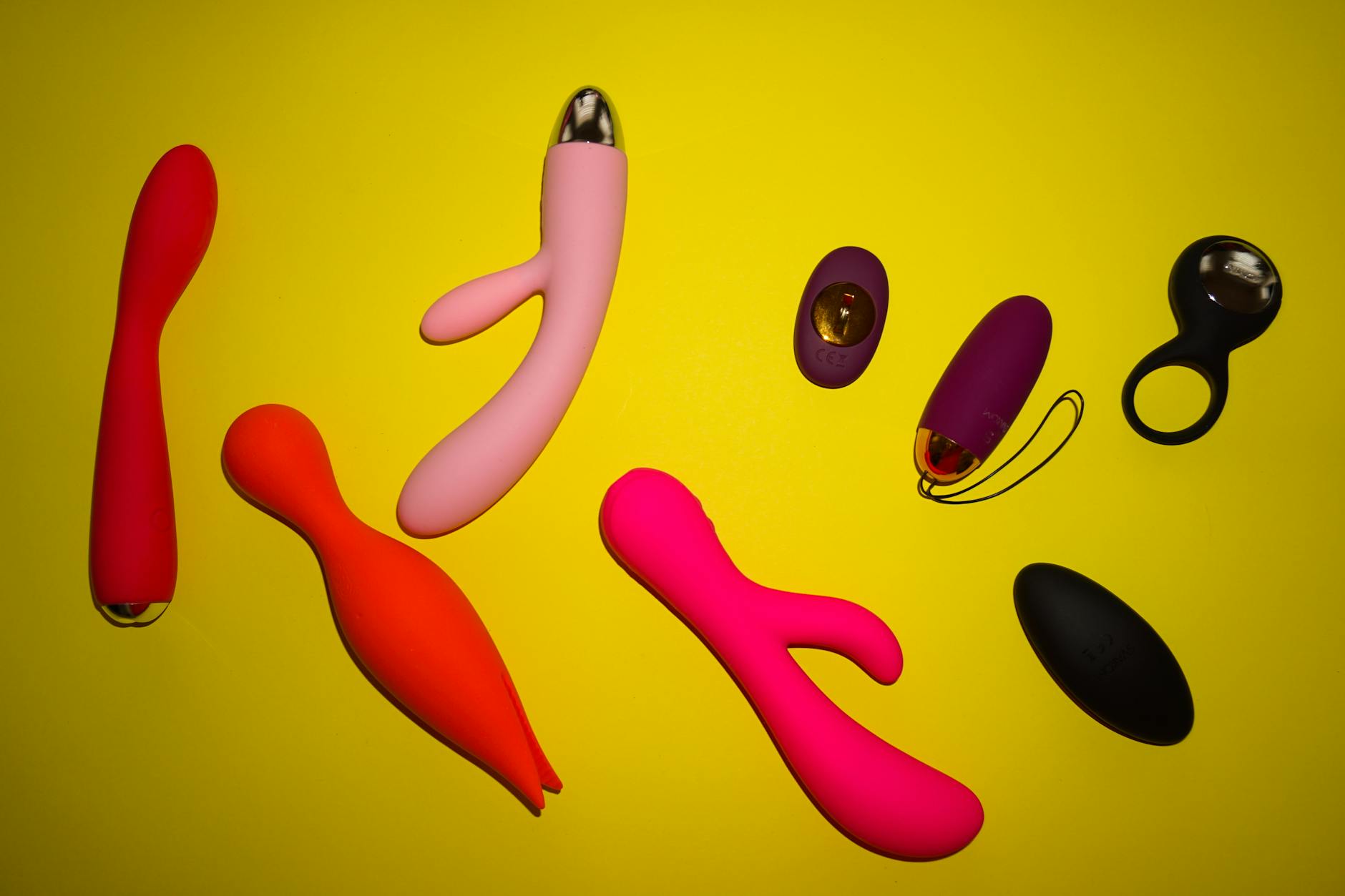
How Lemon Vibrators Help When You're Rebuilding Intimacy After Depression
Depression kills desire and sensation. When you're recovering, reconnecting with pleasure isn't vanity. It's part of healing. Here's what actually helps.
Here's the thing about depression. It doesn't just make you sad. It deadens the nervous system's ability to register pleasure. The neurotransmitters that light up during arousal, orgasm, and physical affection get switched off. For most people in recovery, that absence feels worse than sadness because it's silent. Nothing hurts. Everything just feels flat.
And then the guilt lands. You feel guilty for not wanting sex. You feel guilty for disappointing your partner. You feel guilty that your body has become this unreliable thing that won't respond the way it used to. That guilt often becomes a second depression layered on top of the first one.
But here's what I want you to know: rebuilding pleasure during recovery is not selfish. It's not rushing your healing. It's actually a neurological reset button.
When you're depressed, your body struggles to build arousal. The cascade of chemicals needed for sexual response – dopamine, norepinephrine, serotonin – are either depleted or dysregulated. Orgasm becomes nearly impossible or, when it happens, feels muted and distant. It's like trying to enjoy music while wearing earplugs.
This isn't weakness. This isn't your fault. It's brain chemistry.
What makes recovery tricky is that even when your mood stabilizes, the pleasure pathway stays sluggish. Your brain learned to expect flatness. The neural circuits that code for sensation atrophied a little. So you need something that can jumpstart them again. Not in a forcing-it way. In a gentle, reliable way that says, "Here. Feel this. Your body still works."
That's where lemon vibrators come in. And I'll explain exactly why they're different from what you might have tried before.
Most traditional vibrators rely on mechanical vibration transmitted through a small area. They're buzzy, intense, and require direct friction. For someone rebuilding sensitivity after depression, that intensity can feel overwhelming. Your nervous system is already recalibrating. You don't need to shock it back to life.
Lemon clitoral vibrators work through gentle suction and pulsation rather than raw vibration. This matters because suction stimulates a wider nerve network without the localized intensity. You feel sensation spreading, building gradually, rather than spiking. For a system that's been numb, that gentle progression is exactly what helps.
The pattern-based pulsing (Lemon Intimacy's lemon vibrators offer multiple patterns) means you can start low and adjust without jarring shifts. You're not just waiting for your clitoris to wake up. You're actively retraining your nervous system to recognize pleasure.
One thing I see with clients rebuilding after depression: partnered sex often feels like performance. You're supposed to be interested. You're supposed to feel something. The pressure itself flattens everything further.
Solo exploration with a lemon vibrator removes the performance aspect entirely. You're not trying to satisfy anyone. You're not watching your partner's reaction. You're just checking in with your own body. That safety matters enormously for nervous system recovery.
When you spend time alone with a tool designed for your pleasure – something like the Lemon Clitoral Vibrator that uses precise pulsation patterns – you're creating a low-stakes environment to reconnect with sensation. Sometimes it'll work. Sometimes it won't. Neither means anything about your recovery. You're just re-establishing the pathway.
This kind of solo practice is actually how many people move from flat arousal back into partnered intimacy. Your body starts remembering what pleasure feels like. Then sharing that with a partner becomes natural again, not forced.
I usually recommend waiting until your mood has stabilized on medication (if you're taking it) and you're at least three to four weeks into noticing consistent improvements. Depression recovery isn't linear, but you need enough stability that a few minutes of not-orgasming won't feel like evidence that you're failing.
Start with short sessions. Five to ten minutes, no pressure to climax. The goal isn't orgasm. The goal is sensation. Feel the warmth, the building, the rhythm. Some days you'll feel nothing. That's normal. Some days you'll feel something surprising. That's progress.
If you have a partner, talking about this separately from any expectation of sex is crucial. You might say something like, "I'm working on reconnecting with my body as part of my recovery. I got a tool to help with that. I wanted you to know it's not about you or us. It's about me rebuilding something that depression took offline." That transparency prevents the resentment that happens when partners wonder why you're exploring pleasure but not with them.
Remember, during depression, your nervous system learned a different baseline. It adapted to flatness. That means intensity isn't what helps. Consistency is.
The air-suction technology in lemon clitoral vibrators provides consistent, gentle stimulation that you control completely. You adjust the intensity. You change the pattern. You set the pace. That agency is healing on its own. Depression often strips away your sense of control. Pleasure, reclaimed on your terms, rebuilds it.
Unlike traditional vibrators that can feel buzzy or numb-inducing after a few minutes, the pulsation patterns in lemon vibrators mimic the body's natural arousal rhythm. That synchronization helps your nervous system recognize the pattern as "normal" and start responding to it more readily.
Once you've spent a few weeks reconnecting solo, bringing your partner into the picture changes things. You're not asking them to fix your arousal. You're inviting them to participate in something you've already started reclaiming.
Some couples use lemon vibrators together during partnered sex. Some partners find that watching becomes its own form of reconnection. Some people keep solo exploration completely separate from partnered intimacy. None of these is right or wrong. You're rebuilding trust in your body first. Partnership follows.
What matters is communication without shame. "I'm noticing sensation again when I use this" is different from "I'm not interested in you." The first is recovery information. The second would indicate you need more time, or that depression is still affecting your relationship in ways that deserve attention.
If depression was linked to relationship tension before, rebuilding pleasure won't magically fix that. But it does give you both something hopeful to work with. You're tangibly moving from flatness back toward aliveness. That movement matters.
Here's the science part: your brain is plastic. It can relearn pathways. Depression essentially severed the pleasure pathway. It didn't destroy it. It just built alternative routes that bypass it.
When you spend time with a tool designed for responsive, gentle stimulation (like lemon clitoral vibrators), you're actively rewiring those pathways. Neurotransmitters start flowing again. The sensory cortex remembers what arousal feels like. Over weeks of consistent solo exploration, the pathway strengthens.
That's why patience matters more than outcome in those early weeks. You're not failing if you don't climax. You're succeeding if you spend time noticing what your body does feel.
If you're in therapy for depression, your therapist should know you're exploring this. Not because there's shame in it, but because pleasure recovery is part of your healing plan.
If you find yourself using a vibrator as avoidance – replacing connection with your partner with solo stimulation, or using it to numb difficult emotions – that's information worth discussing. Pleasure is part of recovery, but it shouldn't replace the hard emotional work of healing.
Similarly, if months into recovery your arousal hasn't budged, it's worth asking your prescriber whether your medication is contributing. Some antidepressants have sexual side effects that respond to timing adjustments or medication switches. You don't have to choose between mental stability and pleasure. Sometimes there's a third option.
Yes, if it replaces emotional processing or connection with your partner. No, if it's part of a broader recovery toolkit that includes therapy, medication management, and relationship work. The difference is intention. Are you exploring sensation as part of rebuilding? Or are you using vibration to avoid feeling? Be honest with yourself about that distinction.
It varies widely, but most people report noticeable improvement in sensation and desire within four to eight weeks of consistent solo exploration, once their mood is stable. Some take longer. Some experience arousal return in flashes before it stabilizes. Recovery isn't linear. What matters is that you're seeing trend improvement, not perfect consistency.
That's entirely your call. Some people find partnered exploration helps them feel supported during recovery. Others need solo time first to feel safe reconnecting with sensation. Start wherever feels right, and adjust as you go. Your comfort matters more than any "should."
First, check in with your prescriber. Some medication side effects don't improve with time and need adjustment. Second, extend your timeline. Four weeks of solo exploration is a start, not a verdict. Third, make sure you're exploring without pressure. The moment you're performing arousal instead of experiencing it, your nervous system shuts down again. Release the outcome.
Yes. I've worked with many people whose pleasure capacity returned surprisingly completely once their nervous system stabilized. Depression tells you it's permanent. It's not. It's a temporary dampening of something that can be reactivated. With time, gentleness, and the right tools, pleasure comes back.
Completely normal. Depression often comes with a narrative that you don't deserve good things. Rebuilding pleasure challenges that narrative directly. That discomfort is part of healing. If the guilt is overwhelming, that's worth bringing to therapy. Pleasure and recovery coexist. They're not in competition.
Rebuilding intimacy after depression isn't about forcing arousal or pretending everything's fine. It's about creating conditions where your body can remember what pleasure feels like. Lemon vibrators, with their gentle pulsation and user-controlled patterns, are tools designed exactly for that relearning process.
Your pleasure matters. Not because it proves you're healed. Because pursuing it shows you're ready to believe healing is possible. That belief, more than any vibrator, is where recovery actually starts.
If you're navigating this terrain and want support thinking through your relationship's broader dynamics during recovery, that's what we're here for. Reach out to us with questions about how pleasure and partnership can reconnect.