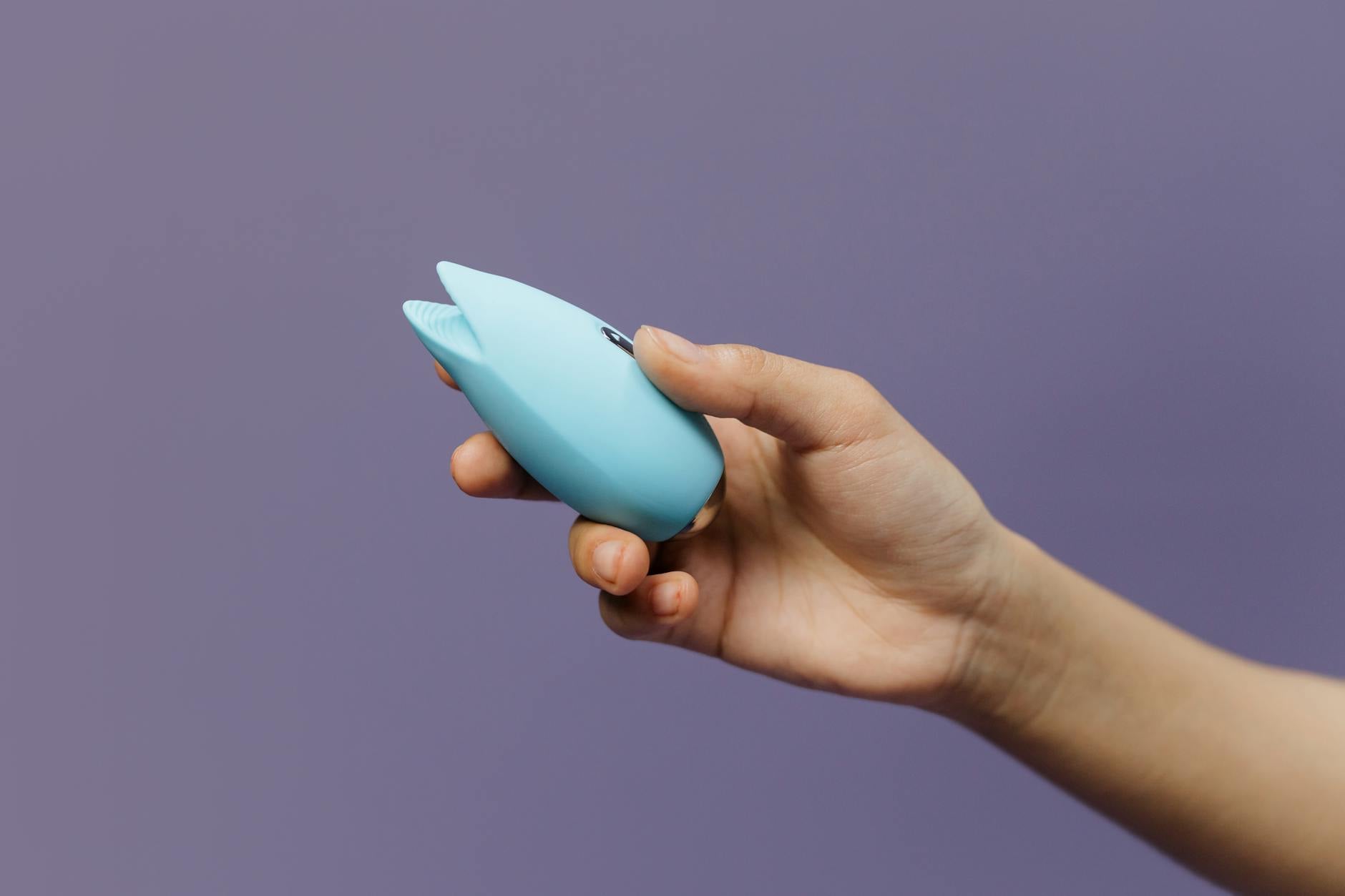
Why Suction Clitoral Vibrators Beat Traditional Vibration for Most People
Let's be real: there's a reason lemon clitoral vibrators have taken over conversations about what actually works. It's not marketing. It's neurology.
Vibration and suction feel completely different because they activate completely different nerve pathways. One isn't better in some abstract sense. But for most bodies, especially those with sensitivity, difficulty reaching orgasm, or varied stimulation preferences, suction does something vibration just can't.
Here's what's actually happening under the skin, and why you might want to understand it before dropping money on another traditional vibrator that goes unused in a drawer.
How vibration actually stimulates nerves
Vibrators work by creating rapid back-and-forth movement. This movement activates "pacinian corpuscles" — specialized nerve endings that are hyper-responsive to vibration and texture changes. They're designed to detect movement across your skin.
The problem? Pacinian corpuscles adapt quickly. Your nervous system essentially stops noticing the vibration after 20-30 seconds if nothing changes. This is why so many people find that traditional vibrators feel amazing for the first minute and then... nothing. Your body's adapted. The sensation flattens.
It's the same reason you stop noticing your clothes or background noise after a few minutes. Adaptation is a feature of your nervous system, not a failure of willpower.
What suction does differently
Suction stimulates an entirely different set of nerve endings called "meissner's corpuscles" and deeper pressure receptors. Instead of rapid back-and-forth, suction creates rhythmic pressure and release. This isn't movement across the surface of your skin. It's a pulling sensation that engages nerves designed to respond to sustained, changing pressure.
Here's the crucial part: these nerve pathways adapt much more slowly than pacinian corpuscles do. You can use a lemon sucker for 15, 20, even 30 minutes without the sensation flattening into background noise. The pressure changes feel novel because your nervous system isn't programmed to dismiss them as quickly.
It's also why people describe suction stimulation as feeling "full" or "complete" compared to vibration. You're activating more layers of nerve tissue, not just the surface receptors.
Why this matters for people with sensitive clits
If your clitoris is sensitive to touch—and most people's are—direct vibration can feel overwhelming fast. The rapid pulses can numb the area or create that overwhelmed, almost painful sensation where more stimulation feels worse, not better.
Suction is gentler on hypersensitive tissue because it distributes pressure across a wider area. The suction cup creates a seal and gentle pull rather than concentrated vibration. This is why lemon clitoral vibrators tend to work better for sensitive bodies. You're getting stimulation without the intensity spike that traditional vibrators create.
If you've been told you're "too sensitive" for vibrators, it's worth trying suction before you assume vibrators just aren't for you.
The plateau problem vibration can't solve
There's a specific experience many people report with traditional vibrators: intense sensation for a minute or two, then a plateau where the stimulation feels like it's not building toward anything. The feeling doesn't intensify or transform. It just... stays the same.
This plateau happens partly because of nerve adaptation, but also because vibration has limited variation. Most traditional vibrators offer a few speed settings. Once you're at your preferred speed, there's nowhere for the sensation to evolve.
Suction offers something different. The pressure can pulse, release, intensify, change rhythm. A lemon clitoral vibrator—or any quality suction toy—gives you variation without you having to switch modes or intensities. The sensation itself is more dynamic.
This is partly why people with delayed orgasm often find suction more effective. Your nervous system stays engaged because the input keeps changing.
Combined sensation: suction plus external pressure
One major advantage of suction vibrators is how easily they work alongside other stimulation. You can use your hand, a partner's hand, or penetration at the same time suction is working.
Try that with a traditional vibrator and you often get conflicting signals—two different stimulation sources fighting for attention. Suction integrates more naturally with other touch because you're not dealing with high-frequency vibration that creates noise and overstimulation.
Many people find that combining suction with light external pressure, or with internal stimulation, actually enhances the experience rather than overloading it.
Why sensation variety is a bigger deal than you think
Partners sometimes notice that one person stops wanting sex after a while. The assumption is often emotional or relational. Sometimes it's just nervous system boredom.
If your primary tool for solo pleasure is one traditional vibrator at one or two speeds, your nervous system genuinely gets bored. This isn't laziness or low desire. It's how adaptation works. You need novel input to stay interested.
Suction toys offer more inherent variety. A lemon clitoral vibrator gives you different sensations at different pulse patterns without requiring you to own five different toys. This matters more than people realize for long-term satisfaction.
If you're in a partnered situation, this becomes even more important. Varied sensation often makes the difference between sex that feels obligatory and sex that feels genuinely good.
The tissue thickness factor for aging bodies
If you're over 40 or have naturally thinner clitoral tissue, direct vibration becomes riskier. Thinner tissue bruises more easily and is more sensitive to high-frequency stimulation. Suction distributes force more gently and is actually safer for delicate tissue.
This is one reason people often discover that lemon vibrators work significantly better in midlife than they expected. Why lemon vibrators work better after 40 covers this in detail, but the short version: as your tissue changes, your nervous system's preferences change too. Suction becomes more reliably pleasurable.
How to try suction if you've only used vibration
The transition from vibration to suction isn't instant for everyone. Your nervous system has learned to respond to vibration. It needs time to wake up to different input.
Start at lower suction levels. Contrary to what feels intuitive, more suction doesn't equal better. The sweet spot for most people is moderate pressure with some pulse variation. Let your body adjust for a few sessions before deciding it's not for you.
If you want to understand your preferences more systematically, how to use lemon vibrators for the first time walks you through a method for figuring out what actually works for your body rather than what you think should work.
The partnership angle
In relationships, the shift to suction sometimes changes the dynamic. Lemon vibrators for couples explores this in depth, but here's the core: if you've been using a traditional vibrator during partnered sex, your partner might have felt competitive with it or bored alongside it.
Suction changes that. It's less obtrusive, less obviously an alternative to partnered touch, and often feels additive rather than replacing. Many couples find they use suction toys together more naturally than they ever did traditional vibrators.
Why clitoral sensitivity requires a different approach
Some people have naturally sensitive clits. The kind of sensitivity where anything too direct feels painful rather than pleasurable. If that's your body, conventional vibration was probably frustrating at best and painful at worst.
Suction solves this in a way that vibration can't. Lemon vibrators for sensitive clits breaks this down in detail, but the practical answer: you're likely not "too sensitive." You just need stimulation that matches your tissue's actual requirements. Suction usually does this better than vibration.
FAQ
Does suction actually feel better than vibration, or is it just different?
Both. It's neurologically different in ways that create different sensation. For most people, suction feels better—more varied, more sustainable, less likely to numb. But some people genuinely prefer vibration. The key is knowing why suction works so well so you can make a choice based on science, not marketing.
How long can you safely use a suction vibrator?
Most people can use a quality suction toy for 20-30 minutes without tissue irritation. Start shorter—maybe 10-15 minutes—if your tissue is sensitive. Stop if you feel raw or bruised. Suction is safer than vibration for extended use, but "safer" doesn't mean unlimited.
Can you use suction vibrators if you're pregnant?
Yes, suction toys are generally considered safe during pregnancy because they don't create the rapid vibration that some people worry about. But check with your provider if you have placental concerns or are in a high-risk pregnancy. Every body and every pregnancy is different.
Why do some people still prefer traditional vibrators?
Nerve adaptation happens at different rates for different people. Some folks genuinely don't experience the plateau issue and find vibration sustaining and satisfying. Also, familiarity matters. If you've been using vibration for years, your body knows how to respond. Suction requires a slightly different learning curve. Neither is objectively better—better means what works for your nervous system.
Is a lemon clitoral vibrator worth the investment if I already have vibrators?
If traditional vibrators have left you unsatisfied, plateaued, or frustrated, absolutely. If you love your current toys and have varied sensation in your routine, probably not urgent. Think of it as expanding options, not replacing what works. Most people find that once they discover suction, they use it more often than they use traditional vibration.
Can suction vibrators cause bruising?
Rarely, and usually only if you use high suction for extended periods on sensitive tissue. Start moderate, monitor your tissue the next day, and adjust if you notice redness. Most people find suction gentler than high-speed vibration, bruising-wise.
The real insight here is that your nervous system isn't broken if traditional vibrators stop working. It's adapted. Suction offers a way to wake that system up again, create novel sensation, and often discover a type of pleasure that vibration alone couldn't deliver.
If you want a deeper roadmap for choosing between different stimulation styles, the complete guide to lemon vibrators covers your options across every body type and preference. But if you take nothing else from this: your pleasure matters more than what marketing tells you should work. Suction isn't the answer for everyone. But for most people, it's worth trying.