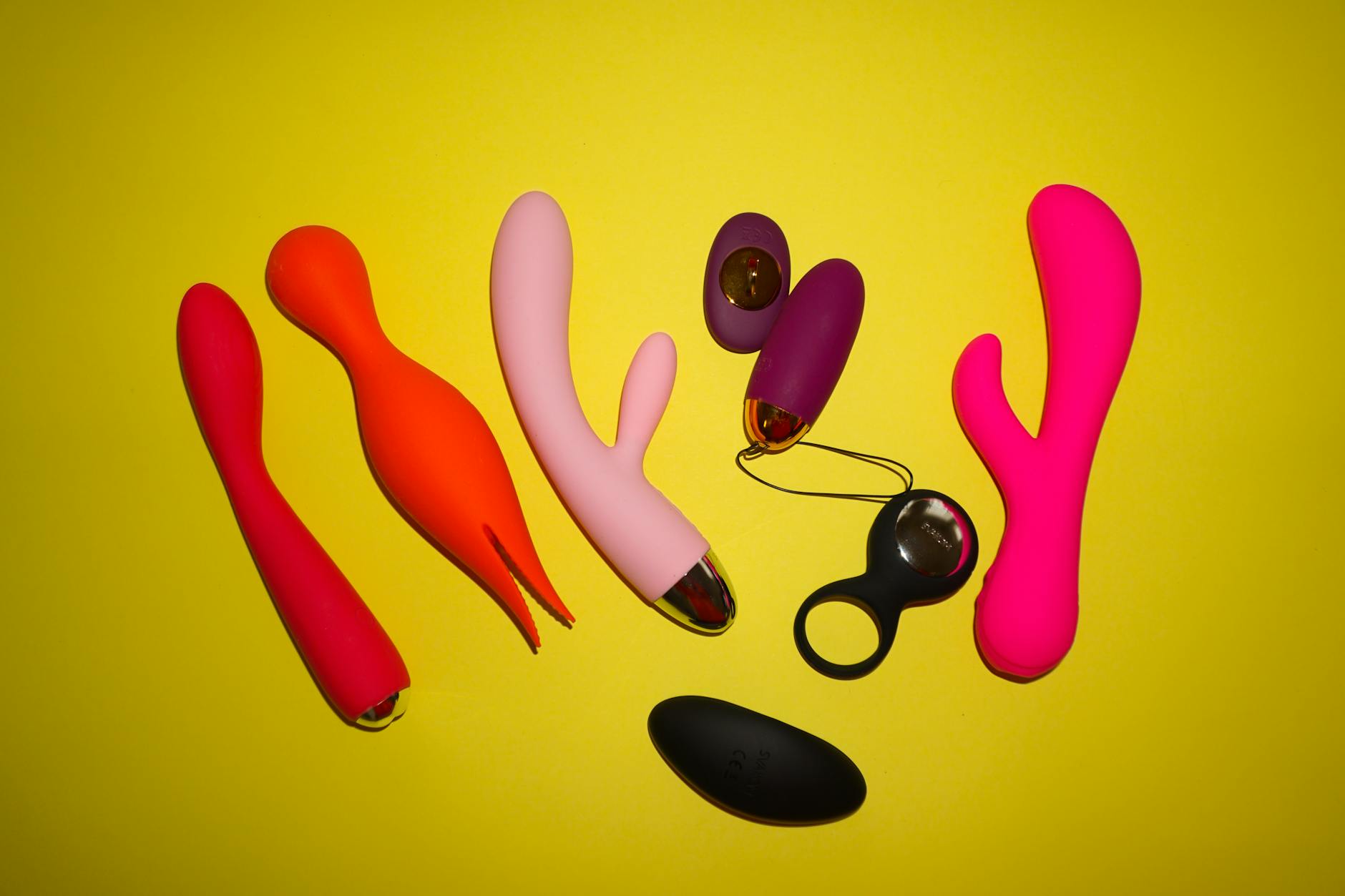
The awkward truth nobody tells you
Honestly, the biggest lie we tell women over 40 is that "things stay the same if you stay active." They don't. And it's not because something's wrong with you. It's because if you've had a gap in sexual activity—whether that's a year, five years, or longer—your body needs to recalibrate. Add age on top, and you're working with a nervous system that's actually quite different from the one you had at 30.
That's not a problem. It's just a fact. And once you understand it, everything makes sense.
What actually changes after 40 (and time away from sex)
Let's separate the two factors: age, plus a gap in consistent sexual activity. Both matter, but they're different conversations.
Age alone: Collagen production slows. Tissue loses some thickness and elasticity. The clitoris itself doesn't shrink or lose nerve endings—that's a myth—but the connective tissue around it gets less plump. Estrogen and testosterone both decline, which changes how blood flows to the genitals and how quickly arousal builds.
Time away from sex: This is the bigger factor people don't talk about. Think of sexual arousal like a physical skill. When you stop practicing, the neural pathways quiet down. The pelvic floor can get tight from disuse. The vaginal tissues lose some of that responsive moisture. Your brain gets rusty at recognizing the sensations that turn you on. It's not damage. It's deconditioning.
Together, they mean that what used to work (maybe a vibrator that buzzed at high speeds, maybe friction-heavy play) now feels either too intense or not intense enough. Your system needs a different signal to wake up.
Why suction feels different than buzzing
This is where Lemon's clitoral vibrators—specifically the suction-based designs—actually make biological sense instead of feeling like marketing speak.
Traditional vibrators work by rapid friction. They bump the tissue very fast. Over time, especially if you've used them regularly, your nerve endings get used to that pattern. Plus, if you haven't had consistent sexual activity, the tissues around your clitoris have less blood flow. That means friction alone might not register as pleasure. It might just register as pressure.
Suction works differently. It creates negative pressure—basically a gentle pull. This activates a different set of nerve endings than friction does. It doesn't require thick, plump tissue to work well. It actually works better on tissue that's thinner or less engorged. For a body that's been dormant, this is huge. You're not trying to wake up a system that's been quiet. You're sending it a signal it hasn't encountered in a while, which is way more interesting to your nervous system.
The Lem vibrator by Lemon uses this principle. Because it's suction-based rather than vibration-based, it doesn't need maximum tissue engorgement to feel amazing. It actually delivers more consistent sensation across different arousal states.
The pelvic floor factor (the part everyone misses)
If you haven't had sex regularly, your pelvic floor probably got tight. This is normal. The pelvic floor muscles support the clitoris and vagina, and they tense up when they're not being used regularly—especially after 40, when natural estrogen support is lower.
A tight pelvic floor changes everything. It reduces how much sensation registers as pleasurable. It makes orgasm harder to reach. Sometimes it makes sexual touch feel uncomfortable instead of good.
Here's the key: aggressive vibration can make a tight pelvic floor tighter. It's like trying to relax a muscle by hitting it really fast. Suction-based stimulation, by contrast, works with the pelvic floor. It creates space instead of creating tension.
Before you jump to a lemon sexual toy, spend a week or two doing pelvic floor releases. Lie on your back with your knees bent. Breathe in for 4 counts, then breathe out slowly for 6 counts while consciously relaxing everything in your pelvic floor. Do this daily. The difference will surprise you.
Sensitivity isn't gone. It's just redistributed.
After 40 and after time away from sex, women often report that their clitoris feels less sensitive. Here's what's actually happening: the tissue is still sensitive, but it's sensitive to a different kind of touch.
The clitoris has about 8,000 nerve endings packed into a very small area. When you're younger and having regular sex, those nerves are getting stimulated constantly. They learn to recognize light touch, pressure, rhythm changes, temperature shifts. They're trained.
When you step away for years, those neural pathways get quiet. They don't vanish. They just need reactivation. That's why jumping straight to high-intensity vibration sometimes feels like nothing. Your system isn't ready for that signal yet.
Suction-based lemon clitoral vibrators bridge this gap. They're gentler than traditional vibrators but way more effective than your hand alone. They're specific enough to send a clear signal to your nervous system without overwhelming it. Over time—usually a few weeks of regular use—your sensitivity comes back. But it comes back at its own pace, not at the pace that worked when you were 25.
The lubrication question (it's not what you think)
After 40, especially after a gap, natural lubrication changes. Yes. But it doesn't mean you're broken. It means your body needs a little more support.
Water-based lube is your friend here. Not because you need it to feel pleasure (you don't), but because it changes the mechanical feel of stimulation. With lubrication, suction feels smoother and more continuous. Without it, suction can feel sticky, which isn't comfortable.
Using a good water-based lube with lemon adult toys is normal and smart. It's not a sign something's wrong. It's just how bodies work at different ages with different activity levels.
Why the mental piece matters as much as the physical
After 40, after a gap in sexual activity, there's almost always a mental component too. You might feel self-conscious about your body. You might have anxiety about whether you "still work" sexually. You might have grief about years of sexuality you didn't explore.
All of that is normal. And it matters because anxiety tightens everything. It tightens the pelvic floor. It narrows blood vessels. It makes your nervous system interpret normal sensation as threatening instead of pleasurable.
This is where a tool like the Lem vibrator—or any intentional clitoral vibrator designed for ease of use—becomes powerful. It shifts the focus from "Am I doing this right?" to "How does this feel?" You're not trying to perform for anyone. You're just getting data about what your body likes right now.
Many of my clients over 40 who've been through sexual gaps report that their first solo session with a different kind of toy (especially suction-based designs) feels revelatory. Not because their body changed. But because they're finally paying attention without judgment.
Building back arousal capacity (it takes patience)
If you've been away from sex for years, expecting instant orgasms is unrealistic. Not because something's broken, but because arousal is a skill that needs rebuilding.
The first few weeks with a lemon vibrator, your job isn't to have an orgasm. It's to relearn what pleasure feels like. Spend 15 minutes exploring. Pay attention to pressure, rhythm, where the device feels best, whether you prefer steady sensation or variation. Don't have a goal.
After a few weeks, arousal builds faster. Your nervous system remembers. After a few months, you might find that orgasms return more easily, or feel more intense, or just feel different than they used to. All of that is fine.
The timeline varies wildly. Some women feel a shift in a week. Others need months. There's no "right" speed.
When to talk to a healthcare provider
If after 6-8 weeks of regular exploration with a lemon suction vibrator, you feel zero pleasure, or if sensation is accompanied by pain, see a gynecologist trained in sexual health. Genitourinary syndrome, tension-related pain, or other treatable conditions might be at play.
Similarly, if your gap in sexual activity is tied to significant trauma or relationship loss, working with a therapist who specializes in sexual health alongside exploring pleasure tools makes sense. You're not broken. But you might need support in more than one channel.
The real shift over 40
Here's what I see in my practice over and over: women over 40 who explore their sexuality after a gap often report that it feels fundamentally different—not worse, just different—than younger years. Less performative. More curious. More about what actually feels good instead of what's supposed to feel good.
Your body isn't the problem. Time and attention are the answer. And tools like lemon sexual toys—especially ones designed with adult bodies in mind—can make rediscovering pleasure feel less like forcing something old to work and more like welcoming something new.
Frequently asked questions
How long does it take to feel pleasure again after a long gap?
Every body is different, but most women report noticeable shifts in sensation within 2-4 weeks of consistent weekly or bi-weekly exploration. Deeper capacity—the ability to orgasm more reliably, or to reach orgasm more quickly—often takes 8-12 weeks. The key word is consistent. Sporadic use won't rebuild arousal capacity the way regular exploration does.
Can I use the same vibrator I used 10 years ago?
Maybe. But probably not optimally. Your tissue and nerve sensitivity have changed. What felt amazing at 30 might feel too intense or not intense enough now. This is a good moment to try something different. That's actually what makes exploring lemon clitoral vibrators appealing. You're not trying to force your older body into old patterns. You're finding what works for your current body.
Is low sensitivity permanent after menopause or a long gap?
No. Sensitivity is highly reconditionable. With regular stimulation—especially using the right kind of stimulation for your current body—you can rebuild arousal capacity and sensitivity. Some women report that their most sensitive, responsive years are after 45, once they've spent time learning what their changed body actually likes.
What if my partner doesn't understand why I need a different toy now?
That's worth a conversation separate from the physical exploration. You're not asking your partner to understand your toy. You're asking them to understand that your body has changed, and that you're taking ownership of learning what works now. Many couples find that when one partner uses a clitoral vibrator with intention, it actually improves partnered sex too. The person using it is more in touch with their own pleasure and can guide their partner more clearly.
Do I need to use lube with suction vibrators?
Using water-based lube with suction vibrators makes the sensation smoother and more continuous. It's not required, but it's recommended. The suction works without it, but with lube, the experience feels less sticky and more gliding.
What if nothing works?
If you've spent 8-12 weeks with a good lemon clitoral vibrator, using it consistently, and you still feel zero pleasure or pain with use, that's a signal to see a gynecologist or sexual health specialist. Sometimes there's a medical component—hormonal, neurological, or related to past trauma. None of those are permanent or shameful. They're just things to address with professional support alongside self-exploration.
Coming back to sexuality after 40, after a gap, isn't about forcing your body to behave like it used to. It's about meeting your current body with curiosity and the right tools. The fact that lemon vibrators work differently than what you used before isn't a bug. It's a feature. Your body's smarter than you think. It just needs you to listen to what it's actually asking for now.