Let's talk about the elephant that nobody mentions
Anti-anxiety medication keeps you alive. It quiets the noise in your head, steadies your nervous system, and makes relationships possible. But there's a cost most doctors gloss over: it also dulls sensation in your body. Not everywhere. Not always equally. But enough that pleasure becomes harder to access, and orgasm can feel like chasing smoke.
If you've noticed that climax takes longer, or that stimulation doesn't land the way it used to, you're not broken. Your body isn't broken. Your nervous system is just running at a different baseline. Here's what's actually happening, and why lemon vibrators often work better than traditional vibrators when you're navigating this shift.
How anti-anxiety medication changes sensation
SSRIs, benzodiazepines, and other anti-anxiety drugs work by dampening the overall signal your nervous system sends. That's the entire point. Your anxiety is a false alarm, so the medication turns down the volume on alarms in general. This includes pleasure signals.
The sensation doesn't disappear. It becomes muted. Think of it like the difference between watching a film in a theater versus on your phone. The image is still there, but the impact shrinks.
Three specific things happen:
Delayed arousal. Your body takes longer to respond to touch. Where a caress might have registered instantly before, now there's a lag. This delay can last minutes, which feels frustrating when you're used to quicker buildup.
Flattened intensity. Stimulation feels less sharp, less electric. The peak sensations you remember feel muffled. This is partly neurological and partly psychological. Your brain is quite literally receiving fewer urgent messages from your body.
Harder orgasms. This is the thing nobody prepares you for. Orgasm might take twice as long to reach. Some people find they can't climax at all, even though they want to. Others climax but it feels less intense. For some, the sensation of orgasm becomes almost intellectual rather than physical.
This is not a personal failure. It's a known trade-off of the medication that protects your mental health.
Why lemon clitoral vibrators often work better than traditional vibrators
Traditional vibrators rely on rapid, repetitive vibration to build sensation. When your nervous system is running on a dampened baseline, this repetition can feel either numbingly monotonous or too intense. The rhythm doesn't meet your body where it actually is.
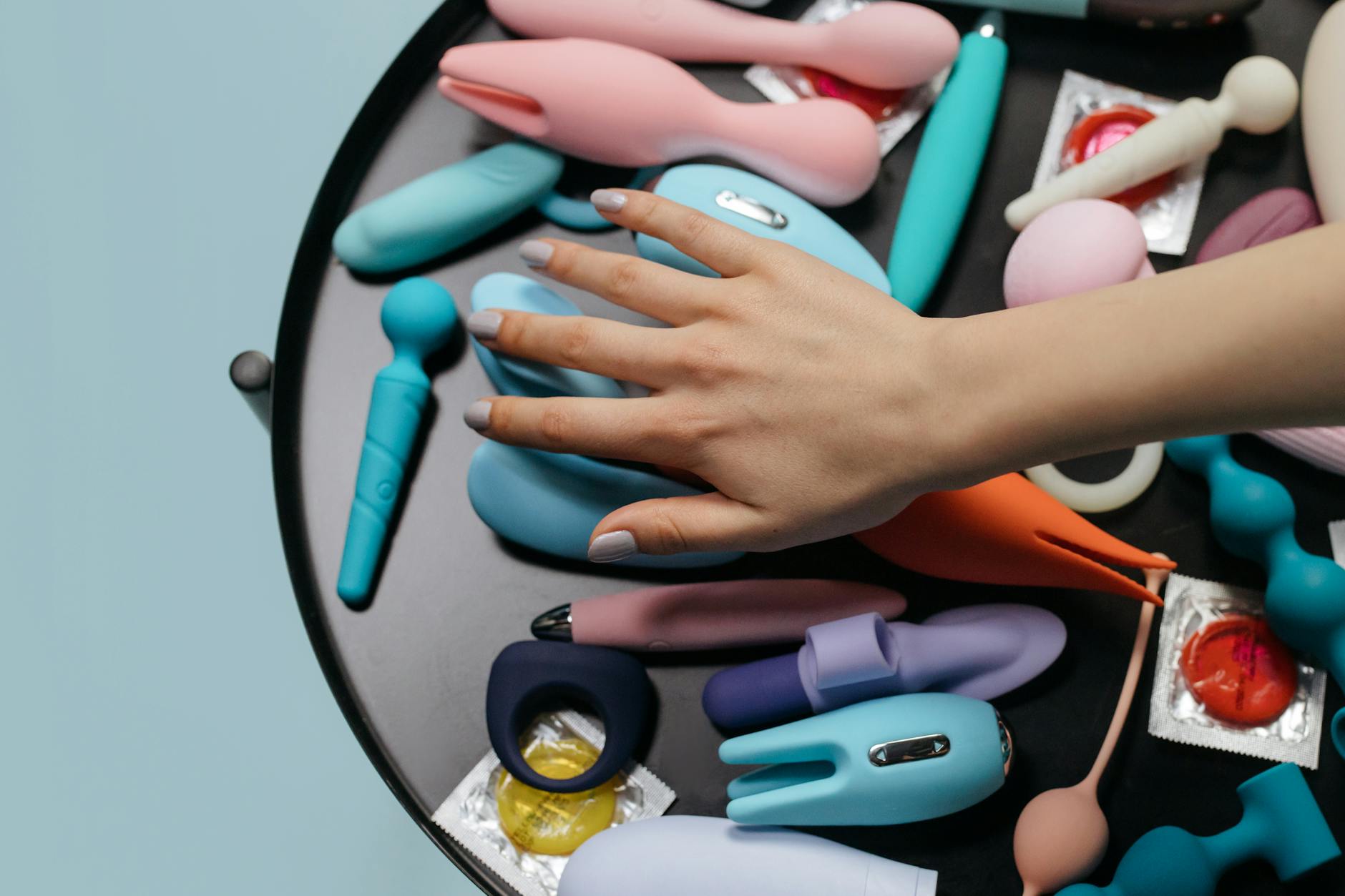
Lemon vibrators, particularly suction-based lemon toys, work differently. Instead of simple vibration, they use pulsing suction. This creates a more complex, layered sensation that actually penetrates the muted baseline better than flat vibration alone.
Here's why:
Suction creates pressure variation. Your clitoris is packed with nerve endings that respond to pressure change, not just movement. Suction creates that pressure differential. When your nervous system is dampened, this variety of stimulus often registers better than the repetitive buzz of a traditional vibrator.
You can modulate intensity more finely. Lemon sexual toys typically offer pattern and intensity controls that let you dial in exactly where your body's threshold is that day. On days when sensation is especially muted, you can push intensity up without it feeling overwhelming. On better days, you stay at lower patterns.
Suction doesn't rely on friction. Vibrators can create friction discomfort when sensation is dulled because your body isn't sure if the stimulus is pleasant or not. Suction avoids this. The sensation feels more contained, less chaotic.
The timeline of adjustment
If you've just started anti-anxiety medication, give yourself at least four to six weeks before assuming pleasure is gone permanently. Your body is still adjusting. Sensitivity sometimes returns partially as your nervous system settles at the new baseline.
If you've been on the medication for months or years, the adjustment period is over. The dulling you're experiencing is the new normal for your body right now. This is not failure. It's information about what your nervous system needs.
Some people find that after a year or two, the intensity slowly creeps back up. Others find that the dampened baseline stays consistent. Both are fine. What matters is working with what you have rather than mourning what's changed.
What you can actually do about it
Start with lower-intensity exploration. If you're using a traditional vibrator, begin with the lowest setting and patterns. Let your body find its own rhythm. Rushing or forcing intensity usually backfires when sensation is already muted.
Switch to lemon adult toys if vibration alone isn't working. Try a lemon clitoral vibrator or lem suction toy for a few sessions. The different sensation pattern often reaches through the medication's dampening effect more effectively. It's not magic. It's just a different mechanism that happens to work better with an altered nervous system baseline.
Budget more time. You'll need longer warm-up. You might need 20, 30, or 45 minutes when you used to need five. This isn't inefficient. It's realistic. Building pleasure slowly is still pleasure.
Use lubrication generously. When sensation is muted, friction can feel irritating rather than pleasurable. Good lube reduces that irritation and makes every touch feel more developed. Water-based lube works great with silicone lemon vibrators.
Talk to your prescriber if it's really severe. If orgasm has disappeared entirely after three months on medication, mention it. Some doctors can adjust dosage or switch to a medication with fewer sexual side effects. Others can't. But it's worth asking, because some alternatives genuinely exist.
What about desire itself
Here's something crucial: medication dampening arousal and medication dampening desire are different problems. Desire is wanting. Arousal is the physical response. Anti-anxiety meds usually affect arousal more than desire.
You still want. Your body just doesn't sprint to readiness the way it used to. This distinction matters because it changes how you approach the situation. You're not trying to manufacture desire that isn't there. You're trying to coax a physical response that's sluggish but present.
If desire itself has disappeared, that's sometimes the medication too. More often it's the anxiety returning underneath it, or another medication stacked on top, or just the weight of everything getting to you. That's a separate conversation worth having with a therapist or doctor.
When partners are involved
If you're with someone, here's the thing: the slowness isn't personal. The delayed orgasm isn't about them. But they'll take it personally unless you explain it clearly beforehand.
The best conversation sounds like: "My medication takes longer to warm up my body than before. This isn't about you or attraction. It's my nervous system baseline. I want us to try longer sessions and I might be suggesting lemon vibrators because they work differently with how my body responds right now."
Then show them. Let them be part of the experiment. When partners understand it's not rejection or a problem to fix, they often become curious collaborators rather than anxious bystanders.
The bigger picture
You're trading one kind of pleasure for another. The old version. The newer version is slower, requires more patience, and demands different tools. But it's not gone. It's restructured.
Many people find that once they stop fighting the medication's dampening effect and start working with it instead, pleasure comes back in a form that's sometimes deeper because it requires more presence. You can't zone out and expect climax. You have to actually be there. For some people, that's unexpectedly good.
People also ask
Can anti-anxiety medication permanently damage your ability to have an orgasm?
No. Orgasm capacity returns when you stop the medication or your body fully adjusts to it. In the meantime, it's delayed or altered, not permanently broken. Some people find that switching medications helps. Talk to your prescriber if sexual function is significantly impacting your quality of life.
Is it normal for lemon vibrators to feel more effective than traditional vibrators on anti-anxiety meds?
Yes. When sensation is dampened, the pulsing suction pattern of a lem vibrator often cuts through better than simple vibration because it creates pressure variation your nerves respond to. Every body is different, but many people on medication find suction-based lemon toys work better for reaching climax.
How long does it take for sexual sensation to return after starting medication?
It varies. Some people notice improvement in four to six weeks as their nervous system stabilizes at the new baseline. Others find sensation stays muted for months. A few people find it never fully returns. This is why trying different tools like lemon sexual toys early on matters. You'll know faster whether the medication is workable for you.
Should I stop my anti-anxiety medication because of sexual side effects?
No. Your mental health stability is more important than the current state of your sex drive. But definitely talk to your doctor about it. Sometimes dosage adjustments help. Sometimes switching to a different medication with fewer sexual side effects is possible. Sometimes you decide the trade-off is worth it. That's your call with professional guidance.
Can increasing the dose of my antidepressant make sensation worse?
Yes, usually. Higher doses typically increase the dampening effect. If you're considering a dose change for any reason, mention the sexual side effects you're experiencing. Your doctor might adjust downward, switch medications, or add something to counteract the sexual effects.
Do lemon clitoral vibrators work without any lubrication on anti-anxiety medication?
Technically they can, but lube helps significantly. When sensation is already muted, reducing friction makes everything feel more developed. Water-based lube is safest for silicone lemon vibrators. Use generously, reapply as needed, and don't skip this step thinking you need to "feel more." The opposite is true. Lube actually helps sensation register better when your nervous system is running quieter.
Is it better to switch to a lemon adult toy permanently, or should I try to get back to traditional vibrators?
Use whatever works. If lemon vibrators feel better and get you to climax reliably, there's no reason to switch back. Sexual tools aren't a hierarchy. Better is whatever works for your body right now. That might change as your medication adjusts or if you change medications. Stay flexible and keep exploring.
If you're struggling with the sexual side effects of anti-anxiety medication and want to talk through options in more depth, reach out to our team at Hello Nancy. We're here to help.
Questions about how your body is responding to medication? Get in touch.