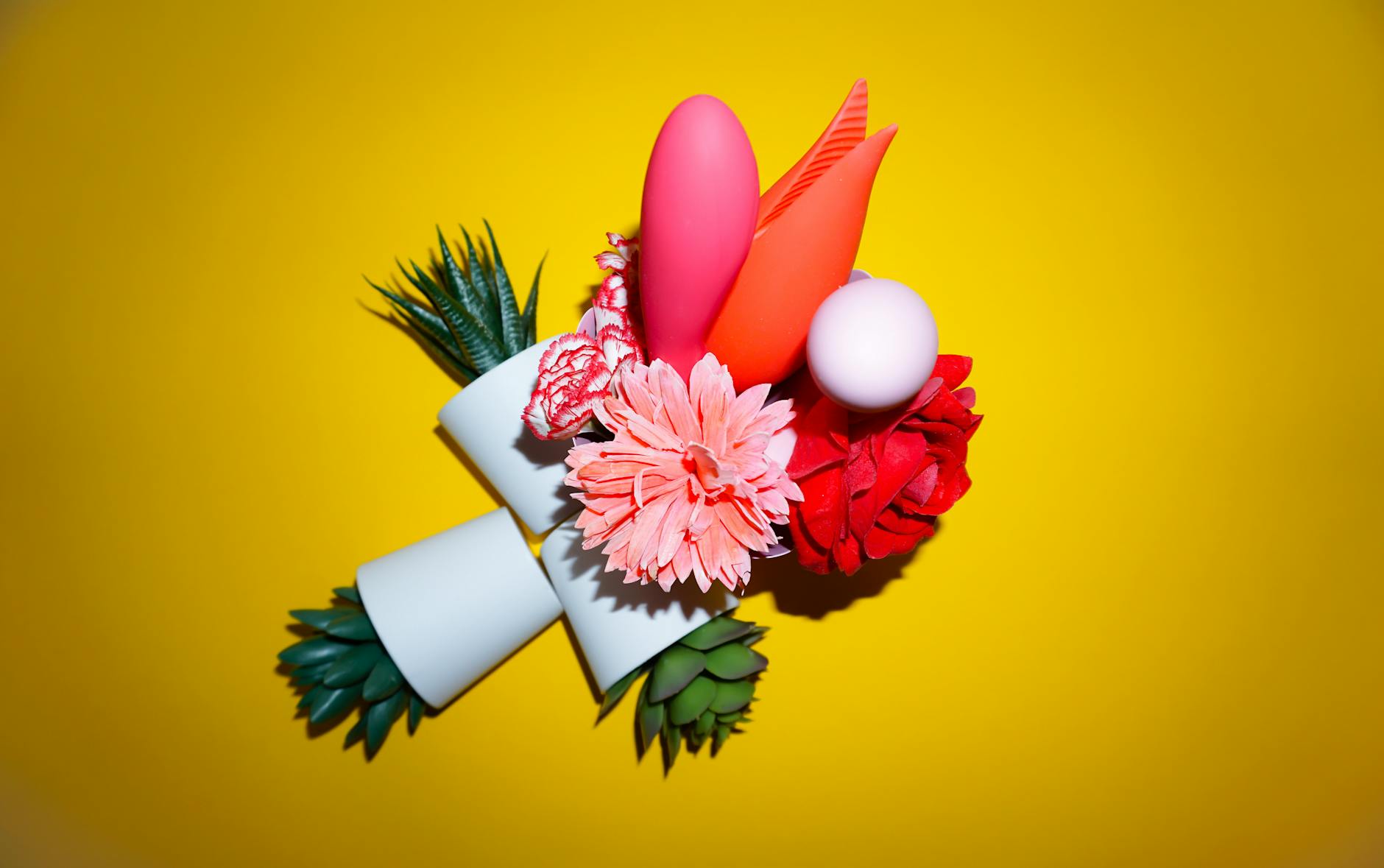
Let's talk about what sensitive actually means
Here's the thing about clitoral sensitivity: it's not one thing. Some people have high nerve density in the clitoral glans. Others feel overstimulation quickly. Some get numb after a few minutes of direct vibration. Some of us are sensitive to texture, pressure, or rhythm. When you layer all that onto how lemon vibrators work, things get interesting fast.
The problem with most traditional vibrators is that they buzz directly against delicate tissue. That's great if you want sustained stimulation, but if your clitoris is sensitive, direct vibration can feel sharp, overwhelming, or even slightly painful. Lemon vibrators work differently. They use suction and gentle pulsing instead of constant vibration. That distinction changes everything for sensitive bodies.
How suction changes the game for sensitive clitorises
When you use a suction-based lemon vibrator, you're not vibrating against tissue. You're creating a gentle vacuum that draws the clitoris into the cup, then releases it in a rhythmic pattern. That's fundamentally different from the direct buzzing of a traditional vibrator.
For people with sensitive clitorises, this matters because suction distributes sensation differently. Instead of one intense point of contact, the stimulation spreads across the entire glans and shaft. It feels less sharp, less overwhelming, and more like a building wave than a constant electrical buzz.
The rhythm of suction also tends to feel closer to how bodies naturally respond during arousal. Your clitoris swells, the tissue becomes more sensitive, blood flow increases. Suction amplifies that natural cycle rather than fighting it with constant vibration.
Nerve density and why lemon vibrators bypass the pain response
Your clitoris has about 8,000 nerve endings, mostly in the external glans. But here's what most people don't know: those nerves aren't all the same type. Some sense light touch. Others detect pressure or vibration. When a traditional vibrator buzzes at high frequency, it can overstimulate the vibration-sensitive nerves, which sometimes reads to your brain as discomfort rather than pleasure.
Suction-based lemon vibrators engage a different sensory pathway. They activate the pressure and stretch sensors more than the vibration sensors. For sensitive people, that's like switching from a sharp frequency to a deeper, more tolerable sensation.
Think of it this way: direct vibration is like tapping your clitoris 100 times per second. Suction is like slowly squeezing and releasing. Both create pleasure, but they're processed by different nerve fibers. If you're sensitive, your system might reject the tap but welcome the squeeze.
The first-time adjustment for sensitive bodies
If you're sensitive and trying a lemon vibrator for the first time, start on the lowest pattern. Not just the lowest intensity, but the gentlest rhythm setting available. The Lem has multiple patterns, and the first few are designed for people who need to ease in.
Many people with sensitive clitorises have been told to "just power through" with traditional vibrators, or they've learned to use them only in certain ways. When you first try a lemon vibrator, you might need to reset your expectations entirely. This is not about pushing through discomfort. This is about discovering what pleasure actually feels like when the stimulation matches your nervous system.
Budget 10 to 15 minutes for your first session. Let yourself get properly aroused before introducing the device. A sensitive clitoris that hasn't been warmed up will feel more reactive, not less.
Lubrication and the sensitivity sweet spot
Lube changes how suction-based toys feel on sensitive tissue. Water-based lubricant creates a smoother seal and can actually reduce the sensation slightly, which helps sensitive people stay comfortable longer. Silicone-based lubes create more friction against the cup, which can be too intense.
If you're sensitive, water-based is your friend. Apply it generously. This isn't about making things "wetter" in the way traditional vibrators might need it. It's about creating a barrier that lets the suction work without the sensations feeling harsh.
One more thing: if you're using a lemon vibrator and feeling numbness after a few minutes, that's not a sign to push harder. That's your nervous system asking for a break. Stop, wait five minutes, then start again on a lower setting. Sensitivity includes the capacity to go numb quickly, and respecting that means longer, better sessions overall.
Positioning matters more than you think
The angle you position a lemon vibrator at changes how the suction engages your clitoris. If you're sensitive, direct center often feels too intense. Slightly off-center, so the cup catches the side of the glans or the hood, can be dramatically more comfortable.
Some sensitive people find that tilting the device at an angle reduces the sensation. Others prefer holding it so only part of the clitoral head enters the cup, rather than drawing the whole thing in. These aren't wrong techniques. They're smart customizations for your body.
Your clitoris is not symmetrical. Neither is your sensitivity. What works on the right side might feel completely different on the left. Spend time exploring the exact angle and positioning that makes your nervous system say yes instead of maybe.
When sensitivity is actually anxiety
Here's something I see all the time in my practice: someone thinks they have a sensitive clitoris when what they actually have is anticipatory anxiety about overstimulation. These feel identical in the moment, but they need different approaches.
True clitoral sensitivity is a physical response. The tissue genuinely feels reactive or numb or sharp. Anxiety-based sensitivity is protective. Your mind is bracing for the experience to feel bad, so your body tightens up.
If you find that lemon vibrators feel different when you're relaxed versus when you're in your head, you might be dealing with both. The solution isn't a stronger device or a different technique. It's slowing down. Setting time. Letting yourself actually get aroused before introducing the toy. Breathing.
A suction-based lemon vibrator is honestly better for anxiety-adjacent sensitivity because the sensation is gentler and less likely to feel threatening. That said, don't ignore the psychological piece. Your nervous system matters as much as your physiology.
Real talk: some bodies are just wired differently
Not everyone loves lemon vibrators, and that's completely okay. Some people genuinely prefer traditional vibration. Some prefer penetration. Some prefer external stimulation that doesn't involve toys at all.
Sensitivity is real and worth respecting. If after a genuine trial period with proper warmup, positioning, lube, and patience, a lemon vibrator still doesn't feel right for you, that's data. That's not failure. That's your body telling you what it actually wants.
The whole point of knowing how lemon vibrators work differently is so you can make an informed choice. Are they better for your sensitive clitoris? Maybe. Are they worth trying? Absolutely. But if they're not your thing, that's equally valid.
FAQ: Sensitivity and Suction Toys
Do lemon vibrators hurt sensitive clitorises?
No, not inherently. In fact, the opposite is usually true. Suction is gentler than direct vibration for most sensitive people. If a lemon vibrator hurts, you're usually on too high a setting, the positioning is off, or the device hasn't been warmed up with enough arousal first. Start on pattern one, use lube, and position it slightly off-center. If it still hurts after three genuine attempts, this toy might not be your match.
Can you use lemon vibrators if you go numb easily?
Yes, but differently. If you numb quickly during regular vibration, suction actually helps. The different sensory pathway means you often last longer before numbness kicks in. If numbness still happens, that's a sign to take a five-minute break and restart rather than push through.
How long does it take to orgasm with a lemon vibrator if you're sensitive?
There's no standard answer. Some sensitive people orgasm faster with suction because the sensation is less overwhelming. Others take longer because they're used to higher intensity from traditional vibrators. Budget 15 to 30 minutes your first few times. Once you know what your body wants, you'll have a better sense of your actual timeline.
Is there a difference between sensitivity from hormones versus sensitivity from anxiety?
Absolutely. Hormonal sensitivity is physical: thinner tissue, different lubrication, less blood flow. Anxiety sensitivity is protective: your nervous system bracing for a sensation it predicts will be unpleasant. Suction helps both, but anxiety sensitivity also needs breathing, slowing down, and mental reframing. You might benefit from exploring <a href="/blog/why-lemon-vibrators-feel-different-with-anxiety-and-how-to-adjust">how to adjust your approach when anxiety is involved</a>.
Should you use lemon vibrators if you have a history of painful sex?
Yes, often carefully. If you experienced pain, your clitoris might be genuinely sensitive or your nervous system might be in protective mode. A suction toy is frequently better than vibration because it's less likely to trigger pain memories. Start slowly, use lots of lube, and stop if anything feels sharp. If pain persists, <a href="/contact">reach out</a> to work through what your body is trying to tell you.
Can numbing cream and lemon vibrators work together?
I'd skip it. Numbing products reduce sensation, which defeats the point of using a toy designed for sensitive bodies. If you need numbing cream to tolerate stimulation, that's a signal that the toy or technique needs adjusting, not that you need to reduce feeling. Lemon vibrators are actually great for this reason: they often eliminate the need for numbing products entirely.
The bigger picture
Your clitoris doesn't owe anyone a particular way of responding. If you're sensitive, that's not a flaw to work around. It's information. Lemon vibrators work differently because they're designed to listen to what sensitive tissue actually wants: gentleness, rhythm, patience, and pressure instead of vibration.
Take your time figuring out what your body needs. And when you do, you might find that sensitivity isn't a limitation at all. It's actually a superpower.