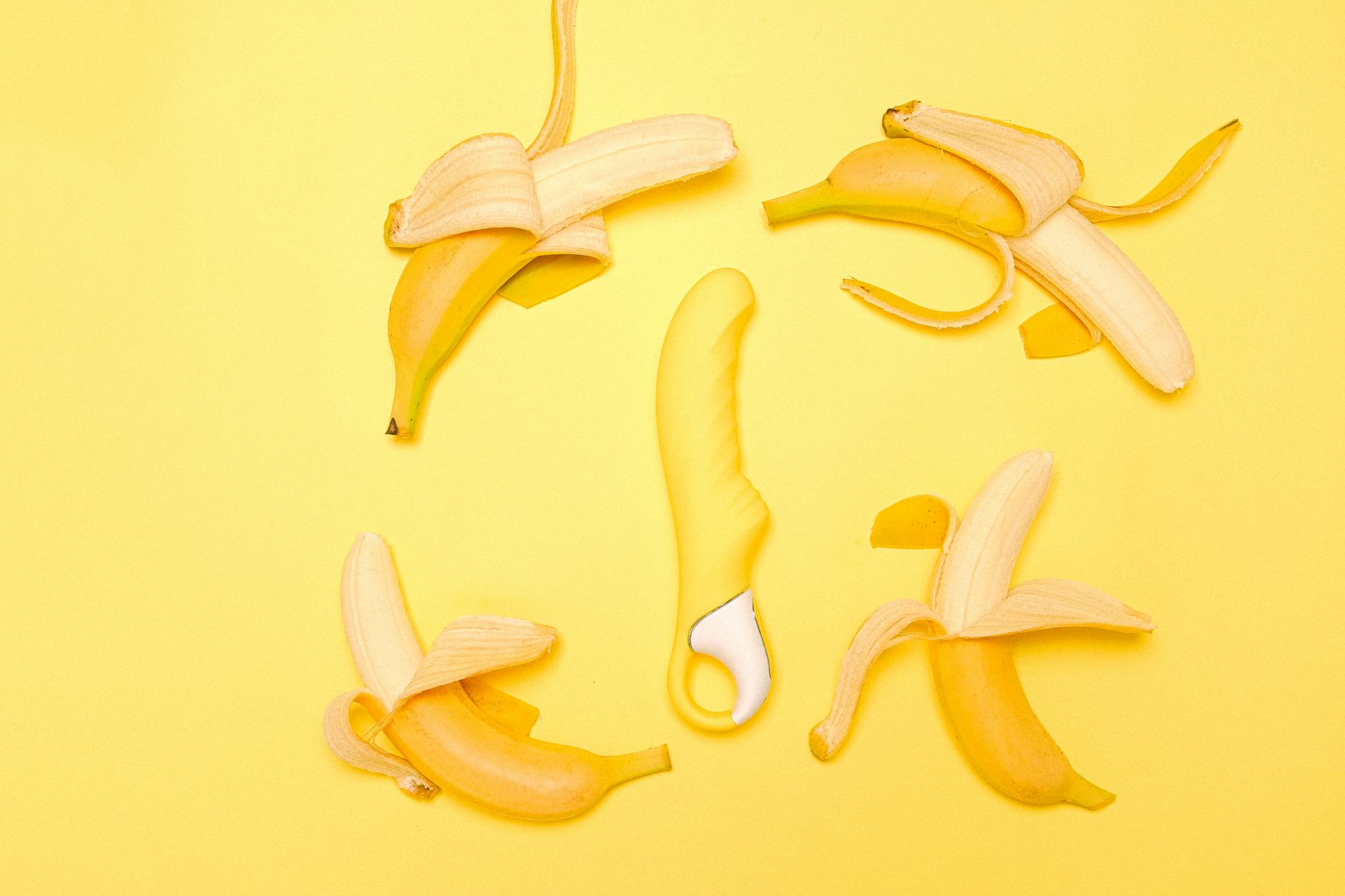
You stop taking your pill (or pull out your IUD, or ditch your patch). Your doctor says you're good to go. What nobody mentions: your pleasure is about to feel wildly different. Not bad. Different. Your body's been running on synthetic hormones for years, and now it's waking up to its actual chemical reality.
This matters because sensation, arousal, and the way you respond to touch are all tied to hormone levels. When you swap synthetic estrogen and progestin for your body's own production, everything recalibrates. Lemon vibrators, in particular, feel completely different post-pill because they rely on exquisite sensitivity to work properly. If your nerve endings suddenly have access to more testosterone and genuine estrogen, that changes everything.
Here's what's actually happening in your body, and why your favorite clitoral vibrator might feel like you're using it for the first time.
The first three months are chaos. Your body doesn't immediately remember how to produce its own estrogen and progesterone at the right levels or times. Some people skip periods entirely. Others bleed for weeks. Most experience a slow, awkward ramping up of their natural cycle.
Birth control suppresses ovulation, which means it also suppresses the cyclical spike in testosterone that normally happens mid-cycle. That testosterone is a major player in desire. Without synthetic hormones blocking it, you might notice a dramatic return of baseline libido around ovulation. Some people describe it as suddenly having an on switch again.
Estrogen also affects vaginal tissue thickness, lubrication, and how quickly blood flows to your genitals during arousal. Birth control often thins this tissue slightly because synthetic estrogen doses are usually lower than what your body naturally produces. When you quit, tissue becomes slightly fuller. That sounds small. It's not. Fuller tissue changes how suction-based stimulation like lemon vibrators actually feel against your body.
Unlike traditional vibrators, which rely on rapid mechanical vibration, lemon clitoral vibrators use gentle suction and pulsing patterns. This means they're extraordinarily sensitive to the texture, thickness, and responsiveness of the tissue they're working with.
When you're on hormonal birth control, the clitoral glans is sometimes slightly less engorged during arousal because estrogen levels are lower and more stable. After you stop, and your own estrogen production kicks in especially during the follicular phase, that tissue becomes fuller and more responsive. A lemon suction vibrator that felt soft before suddenly feels almost intense. It's the same toy. Your body changed.
Second, sensation itself changes. Testosterone isn't just about desire. It affects nerve sensitivity. Post-pill, many people report heightened sensation to touch generally. That feels amazing until you realize your lemon vibrator's gentlest setting is now too strong, and you're spending the first month adjusting down from settings you used to love.
Third, your cycle returns. This matters more than most people expect. During the follicular phase (first half of your cycle), estrogen is rising. Your tissue is more engorged, arousal builds faster, and you might find you need less stimulation time. During the luteal phase, everything reverses slightly. Progesterone rises. Arousal takes longer. You might reach for your lem vibrator earlier in the warm-up, or use it longer. The pill flattened all of this. Now you get to experience it again.
Week one to two: Your body is in shock. Hormonal mood swings, possible spotting, possible bloating. Your pleasure response is probably fine but unpredictable. Sensation might feel heightened or muted. Not a reliable testing ground.
Week three to eight: The real changes start. If you ovulate, you'll feel that mid-cycle hormone surge. Libido might spike. Your clitoral tissue responds faster to touch. Your lemon vibrator might suddenly feel powerful where it felt gentle before. This is normal. You're not broken.
Month three and beyond: Your cycle is establishing itself. You can finally predict how different times of your cycle feel. Some people find they love their lemon clitoral vibrator during certain phases and feel differently about it during others. This wasn't possible on the pill. Now it is.
Most common reports from people who ditched hormonal contraception:
Increased baseline sensitivity. Not everything feels better, but more of your body lights up during touch. Your inner labia, your perineum, and especially the clitoral area have more nerve sensation reporting back to your brain. For lemon vibrators, this means you might skip your usual warmup routine and go straight to the device.
Faster arousal during ovulation. The testosterone spike around day 12-14 of your cycle is real. You'll notice. Your lem vibrator might bring you to orgasm in half the time it used to take. Expect this to be dramatic for some people and subtle for others.
Variable arousal during the luteal phase. Post-ovulation, progesterone rises and arousal typically takes longer. You might feel less sensation in your clitoris. Your favorite lemon suction vibrator might need longer sessions. This is not a step backward. It's your cycle.
Stronger orgasms (often). This one's consistently reported. Without synthetic hormones dampening things, orgasms often feel more intense and full-bodied. Some people describe them as deeper or more sustained. A few describe them as almost overwhelming. If this happens, lower your lemon vibrator's intensity and extend your warmup time.
Your lemon vibrator doesn't change. Your body does. Here's what actually helps:
Track your cycle loosely. You don't need an app or strict logging. Just notice when you feel more aroused, when arousal is harder, when your body responds to touch differently. This maps directly onto your cycle. Once you see the pattern, you can prepare.
Expect your settings to shift. If you loved pattern four on your lem vibrator before, you might prefer pattern two for the first month post-pill. This isn't permanent. Your settings will stabilize once your hormones stabilize. Usually by month three.
Lubrication changes, too. Birth control often thins cervical mucus. Off it, your cervical fluid returns to its natural cycle. During ovulation, you'll produce more natural lubrication. During the luteal phase, less. A good water-based lube becomes your best friend because now you actually need it strategically rather than all the time.
Be patient with arousal time. Post-pill libido feels like it returns overnight. It's true that desire increases. But the physical arousal response (tissue engorgement, lubrication, clitoral readiness) takes the full three months to fully recalibrate. Don't panic if your lemon clitoral vibrator feels "off" for six to eight weeks. Your body is relearning its own chemistry.
Most post-pill sensation shifts are normal. Some aren't. If you experience pain during arousal that wasn't there before, or if your tissue feels consistently dry despite lubrication, talk to a gynecologist. Occasionally, stopping hormonal contraception reveals an underlying sensitivity or condition that the pill was masking.
If arousal simply doesn't return after three months, and desire stays flat, that's worth investigating too. Sometimes hormonal contraception is suppressing symptoms. Sometimes it's unmasking a medical issue. Either way, you deserve support figuring it out.
Honestly though, after the adjustment period, most people report that their pleasure actually improves. You get your cycle back, which means you get variations in how your body responds. You get your baseline testosterone back, which means real desire, not just scheduled interest. You get tissue that's fully fed by your own hormones, which responds differently and often more intensely.
Your lemon vibrator doesn't become a different toy. Your body becomes a more responsive one. That's the actual plot twist.
Typically eight to twelve weeks, though some people notice shifts for the full first six months. Your body's hormone production doesn't return to baseline instantly. It ramps up slowly. The clitoral tissue responds quickly, often within two to three weeks. The cyclical mood and arousal shifts take longer because your brain and ovaries need time to reestablish communication. Don't judge how your lemon vibrator feels for at least a full cycle.
It's not universal, but it's common enough that it's not marketing speak. Testosterone affects desire and sensation intensity. Most people produce more accessible testosterone post-pill than they did on synthetic hormones. That typically translates to faster arousal and more intense sensation. Whether that feels "better" is personal. Some people prefer the stability of the pill. Others find the return of their cycle revelatory. Both are fine.
Maybe eventually, but not right away. In the first month, most people need to dial their lemon vibrator down. After six to eight weeks, you can probably go back to your old settings. By three months, you might need to adjust again as your cycle establishes. This is why starting low and building up always works better than assuming your body hasn't changed.
Yes, in the sense that arousal and sensation will vary across your cycle. No, in the sense that this becomes normal and predictable. You'll learn that day 12 of your cycle feels different from day 25. That's not instability. That's your body actually working the way it's designed to. Most people find this way more interesting than the flatlined response of hormonal contraception.
This is rare but real. Some people find that without synthetic estrogen, they need more stimulation, not less. If this happens, try extending your warmup time before using your lem vibrator, ensure you're using lubrication strategically, and consider tracking your cycle to see if it's phase-dependent. If sensation stays muted for three months, get checked for thyroid issues or vitamin deficiencies, which can genuinely affect arousal.
If you're in the adjustment period, no. Use what works now, and adjust as your body changes. If you're thinking about quitting and don't have a lemon clitoral vibrator yet, wait until after month two post-pill, when your sensation has mostly stabilized. That way you're buying based on your actual body, not a transitional one.
Your body didn't break when you stopped birth control. It's remembering how to be itself. That includes a cycle, cyclical arousal, and sensation that shifts across four weeks instead of staying static. Your lemon vibrator will feel different for a few months. This is temporary and almost always resolves into something better. Track your cycle loosely, adjust your settings as needed, and give yourself permission to explore how your body actually works now that it's not running on borrowed hormones.
If you're struggling with this transition or have questions about how your body's responding, reach out to us. We're here to help.