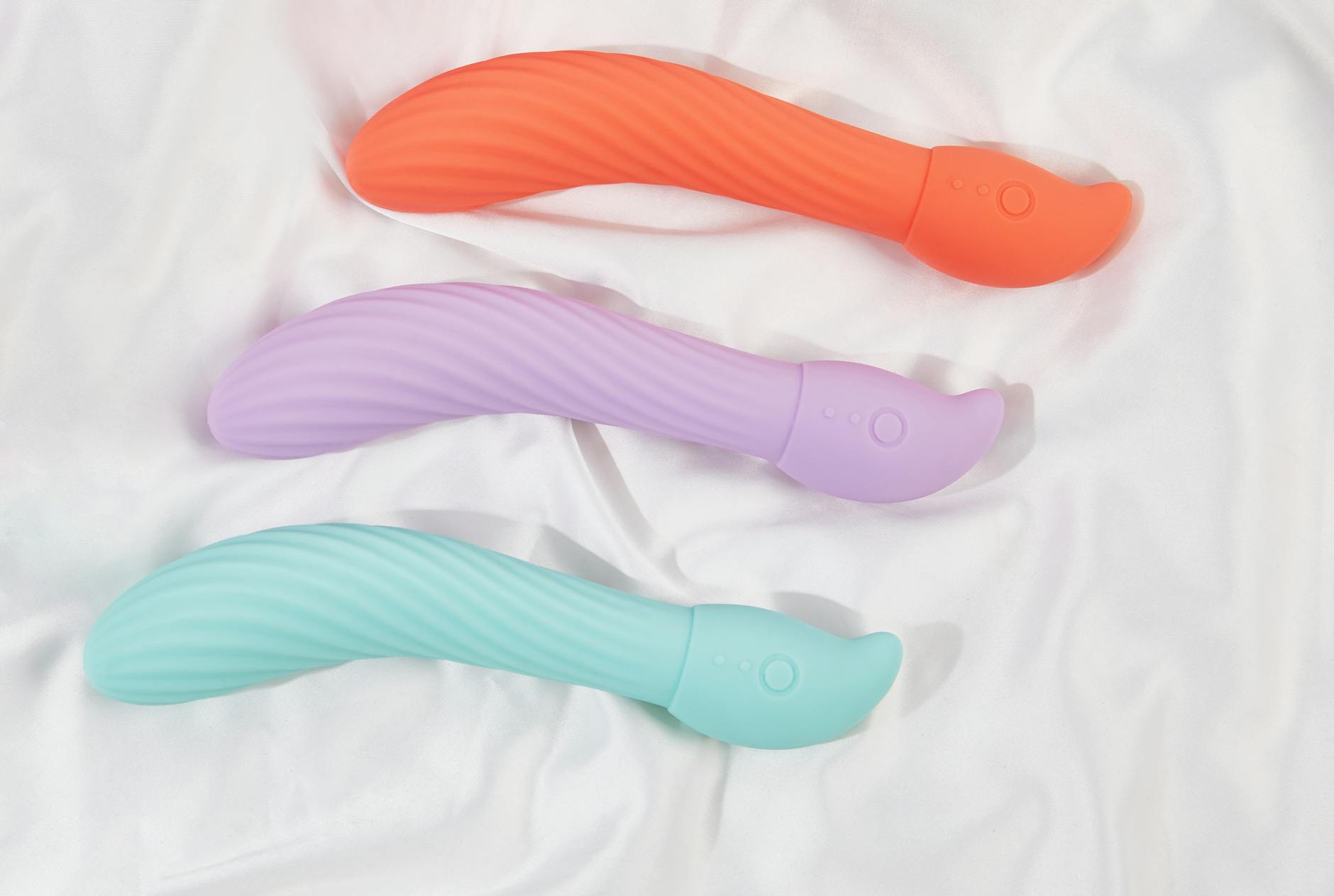
Let's talk about what birth control actually does to your body
You've probably heard that birth control affects your mood, your water retention, your libido. Less talked about: it changes how your clitoris responds to stimulation. Not in a catastrophic way. But enough that if you've been using lemon vibrators or other clitoral vibrators, you'll notice the shift within days or weeks of starting a new pill.
Here's the biological reality. Hormonal birth control delivers synthetic estrogen and progestin. This suppresses your natural hormone cycle, thickens cervical mucus, and alters blood flow to your pelvic tissues. The clitoris has dense nerve endings and feeds on that localized blood flow. When the blood flow pattern changes, nerve sensitivity shifts. Some people report heightened sensation. Most report duller initial response, then surprising intensity later. And then there's the weird middle ground where everything feels slightly off-key.
I see this pattern constantly with clients. They start the pill. Within a week or two, the intensity of orgasm either drops or shifts. They assume something is broken. Usually it's just adaptation.
How synthetic hormones change clitoral sensitivity
Birth control works by maintaining steady hormone levels instead of the natural monthly rise and fall. This flatline is intentional. It prevents ovulation. But it also means your clitoral tissue never gets the estrogen spike that naturally thickens the vaginal lining and increases blood flow to the vulva.
Without that spike, several things happen simultaneously.
First, the tissue becomes slightly less engorged. The clitoris has a visible glans and a hidden shaft. With cyclic estrogen, both swell slightly during arousal. On the pill, that swelling happens, but it's less pronounced. This is normal physiology, not an emergency.
Second, nerve sensitivity can feel muted at first. Estrogen affects neurotransmitter production in the brain. Synthetic estrogen is not identical to your body's estrogen. Your nervous system needs time to adjust to the new hormone signature. Some people describe the first two weeks as feeling "numb" or "distant" from their pleasure. By week three or four, the brain has recalibrated and sensation returns, often with surprising intensity.
Third, lubrication patterns shift. The pill suppresses the natural mucus changes that happen across your cycle. On day 14 of a natural cycle, you're wet and ready. On the pill, the moisture level is more consistent but often less robust. This affects how toys interact with your body.
Why lemon vibrators feel different on hormonal birth control
Lemon vibrators, including air-suction toys like the lem vibrator, work by creating a gentle vacuum that stimulates the nerve endings around the clitoral glans. The sensation depends on tissue thickness, blood flow, and how quickly your nervous system responds to that suction stimulus.
On hormonal birth control, you might notice.
The suction feels less intense initially. Because tissue engorgement is less pronounced, the suction has less to "grip" onto in the first two weeks. This is temporary. By week three, as your body settles into the new hormone level, the sensation typically returns to baseline or even strengthens.
Orgasms take longer to build. Synthetic hormones slow the initial arousal phase. Where you might have gotten to peak arousal in ten minutes pre-pill, it might take fifteen or eighteen minutes now. This is not a loss of capacity. It's a shift in pacing. For some people, this longer build actually creates more intense release.
The sensation profile changes. Some people report that while initial sensitivity dips, the actual orgasm becomes more localized and concentrated. The clitoris itself feels more sensitive, even if the surrounding tissues feel less swollen. This is because different parts of the clitoral anatomy respond differently to estrogen. The glans and shaft don't change at the same rate.
If you've been using a specific lemon sucker or clitoral vibrator on a high setting, you might find you need to drop to a medium setting for the first week or two. This is not a sign to panic. It's a sign to listen to your body and adjust.
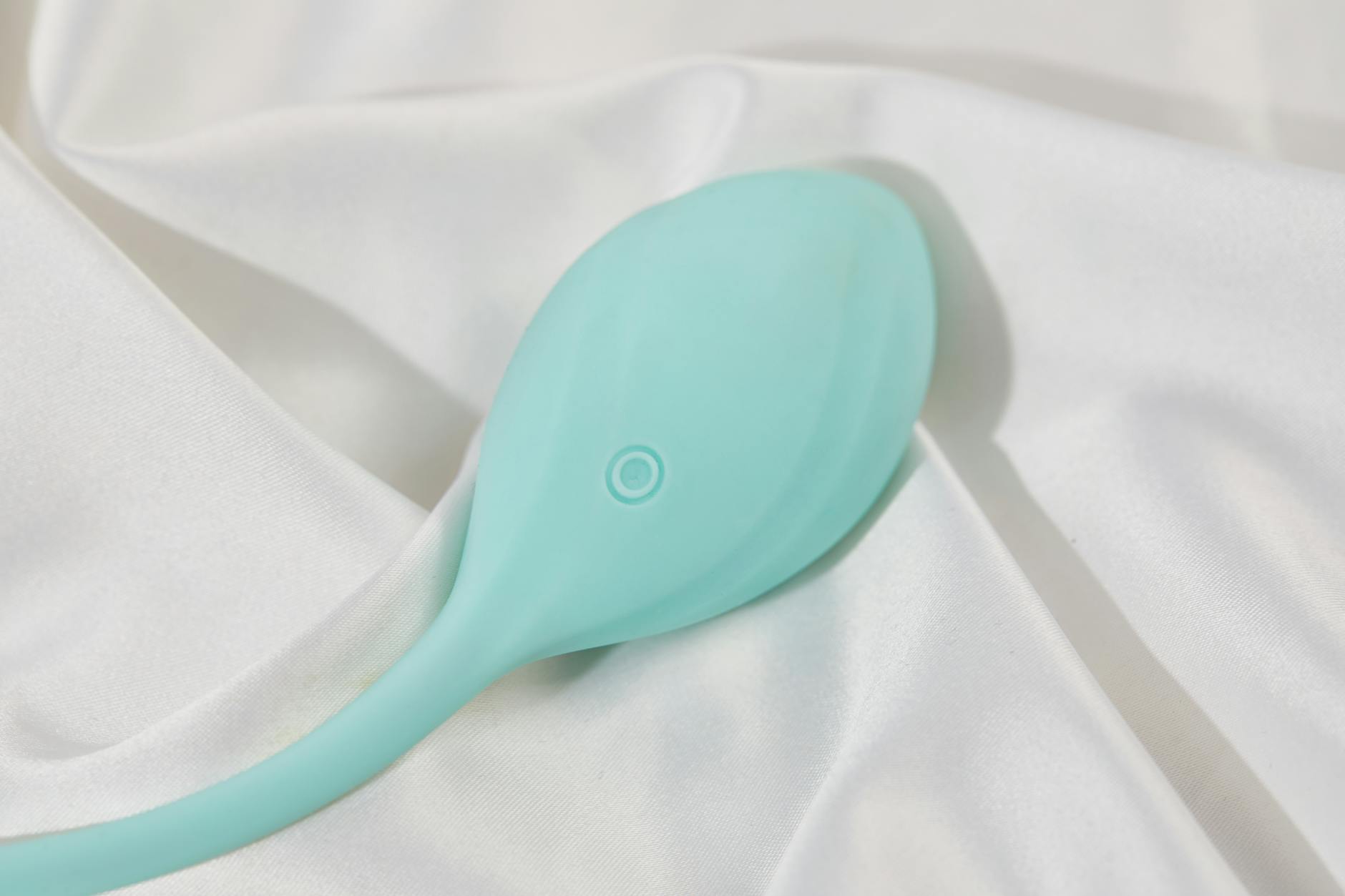
Photo by IFONNX Toys on Pexels
The timing of the adjustment varies wildly
There's no one timeline. Some people stabilize in a week. Others take a full cycle or two. The variation depends on which pill you're taking, your individual hormone sensitivity, your baseline clitoral sensitivity, and whether you've been on hormonal birth control before.
If you're switching from one pill to another, the adjustment typically takes longer than the initial adjustment. Your body has been operating on one hormone signature and suddenly has to recalibrate to a different one. Three weeks is realistic. Sometimes longer.
The hardest phase is usually weeks one through three. This is when the change is most noticeable and your brain hasn't yet figured out the new normal. If you're in a partnership, this is worth mentioning. "I'm adjusting to birth control and my body feels different" saves a lot of confusion and worry. Your partner doesn't need to know details. Just that something is shifting physiologically and it's temporary.
After that initial window, most people find that sensation either returns to exactly where it was or improves. About thirty percent of my clients report that orgasms actually get better once they're settled on hormonal birth control, partly because they're no longer managing cycle-based mood swings and partly because the steadier hormones support more consistent arousal capacity.
What you can actually control during the adjustment
You can't speed up your nervous system's adaptation. But you can make the experience less frustrating.
Use more lubrication. Birth control often means less natural lubrication. Water-based lube is your friend here, especially in the first few weeks. It's not a sign of anything wrong. It's just accounting for the hormonal shift. Silicone-based lube feels richer, but avoid it if you're using silicone lemon vibrators.
Start at lower intensities. If your lemon clitoral vibrator has multiple settings, use the lower patterns initially. You can always build intensity. Starting too high and finding it's overwhelming just adds frustration to an already confusing time.
Budget more time. Arousal takes longer. Plan for that. Don't expect your body to move as quickly as it did pre-pill. Slow, deliberate warm-up actually helps the nervous system settle into the new hormonal baseline faster.
Track your patterns. Some people find that sensitivity returns after day seven. Others after day fourteen. If you notice day ten is when things start clicking again, great. You've got data. You can plan around it instead of being surprised by it.
Don't assume something is wrong. The first instinct is catastrophizing. "The pill broke my pleasure." It hasn't. Your body is adapting. There's a difference.
When you should actually talk to a doctor
If numbness or reduced sensation persists beyond four weeks, that's worth mentioning to your prescriber. Some pills are better for some bodies. A simple switch might solve the problem. If you're experiencing pain during arousal or sex, that's not a normal adjustment effect. That's genitourinary syndrome or another condition worth ruling out.
If your libido completely flatlines and stays flatlined, that's also worth discussing. Some people's brains respond poorly to certain synthetic hormones. There are alternatives. You don't have to live with no desire.
But if you're in week one or two and things just feel muted and slower? That's normal. Wait it out. Adjust your approach. Be patient with your body.
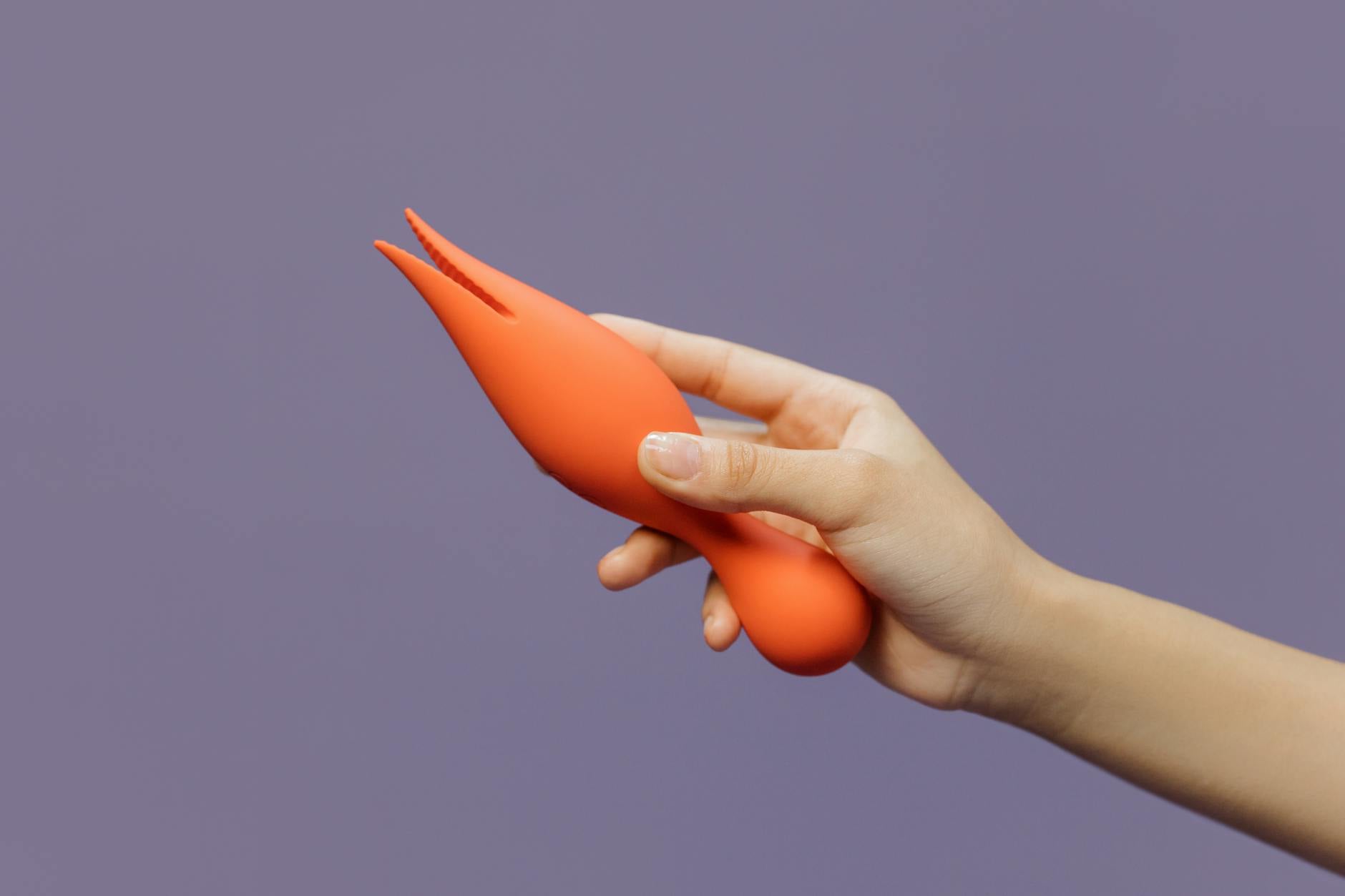
Photo by cottonbro studio on Pexels
The unexpected upside
Once your body settles, many people find that the steadier hormones actually support better, more predictable pleasure. There's no week where you're irritable and touched out. No hormonal wave that kills arousal. Some people find this consistency unlocks orgasms that were harder to access when cycling through natural hormonal shifts. The lemon vibrators that felt disappointing in week two suddenly feel incredible in week five, not because they changed but because your nervous system finally caught up.
The key is not panicking in the middle. Birth control and your pleasure are not enemies. They're just going through a negotiation period. Give it time, stay curious about what your body is telling you, and remember that this phase is temporary. You're not broken. You're adjusting.
People also ask
How long does it take for sensation to return after starting birth control?
Most people experience the most noticeable shifts in the first two to four weeks. By week three, many find sensation returns to baseline or improves. Full adaptation sometimes takes a full cycle or two. It depends on your individual physiology and which pill you're taking. If numbness or reduced sensitivity persists beyond a month, that's worth mentioning to your doctor. It might mean this particular pill isn't the best fit for your body.
Can birth control permanently change my ability to have orgasms?
No. Birth control changes how your body responds to stimulation temporarily, not permanently. The moment you stop taking it, your hormones return to their natural cycle within days or weeks. Your nerve endings, your clitoral anatomy, your orgasmic capacity are all unchanged. The pill influences the environment those systems operate in, not the systems themselves. Any orgasm difficulty is temporary and usually resolves with adjustment.
Why do some people feel more sensation on birth control while others feel less?
Individual variation in hormone sensitivity is huge. Some people's clitoral tissue responds more vibrantly to the steady estrogen level of the pill. Others find that the natural hormone spikes they're missing create less engorgement overall. It also depends on the specific pill. Different formulations have different estrogen doses. A lower-dose pill might feel completely neutral to sensation, while a higher-dose pill creates noticeable changes. Your previous experience with hormonal shifts also matters. If you've been on the pill before, your body might adjust faster than someone trying it for the first time.
Should I stop using my lemon vibrator while I'm adjusting to birth control?
Absolutely not. Using your lemon vibrator, whether it's a suction toy like the lem vibrator or a traditional clitoral vibrator, is actually helpful during adjustment. It gives you consistent feedback about how your body is responding. You'll notice the shift in sensation more clearly, which helps you understand the timeline. Plus, maintaining your pleasure routine signals to your nervous system that everything is fine. The goal is not to abandon pleasure while your body adjusts. It's to adjust how you approach it.
Is reduced sensation on birth control the same as reduced desire?
Not necessarily. Sensation and desire are different neurological systems. You might feel less clitoral sensation but still want to have sex. Or you might notice desire drops while sensation stays the same. Birth control can affect both, but they don't always move together. If you're experiencing both reduced sensation and reduced desire, that might be worth discussing with your prescriber. It could mean the pill's hormone dose or type isn't ideal for your neurobiology. If it's just sensation, that's usually a temporary adjustment effect.
Can I use my lemon clitoral vibrator the same way on birth control as I did before?
Probably not in the first few weeks. You might need to adjust intensity, change rhythm, or extend your warm-up time. These tweaks aren't permanent. They're just accommodating your body's temporary shift. Once you're settled on the pill (usually by week four), you can typically return to whatever worked before. Some people find they actually prefer a different approach after the adjustment, especially if the steadier hormones unlock new sensations or intensity. The adjustment period is a good time to explore what actually feels best now, rather than rigidly sticking to the pre-pill routine.
What Hello Nancy wants you to know
Birth control is a choice that affects your whole system, including your pleasure. The temporary shift in how lemon vibrators or other clitoral vibrators feel is real, normal, and usually temporary. Your body is not broken. You're not losing your capacity for orgasm. You're adjusting to new hormonal conditions, and that adjustment period is usually four weeks or less. Be patient with yourself. Adjust your approach. Talk to your partner if you're in one. And if something feels persistently wrong after a month, that's information worth sharing with your doctor. But in the meantime, know that the intensity and sensation you're missing right now will most likely come back, often stronger than before.