Here's what nobody warns you about
You started an SSRI for anxiety or depression. Within a week or two, the mental fog lifts. You sleep better. Your mood stabilizes. And then you notice something uncomfortable: sex feels different. Orgasms are harder to reach, or they disappear entirely. Your body's response to touch has flattened. It's like someone turned down the volume on a song you loved.
You're not broken. Your lemon vibrator didn't stop working. What changed is the neurochemistry underneath sensation and arousal. And yes, this is fixable.
What SSRIs actually do to sexual response
SSRIs work by keeping serotonin lingering in your brain longer. More serotonin usually means more mood stability. But here's the catch: serotonin is also a key player in arousal and orgasm. Too much serotonin in the wrong places can actually dampen sexual response.
Specifically, SSRIs affect three stages of sexual response. First, they slow arousal. Your brain takes longer to recognize and respond to erotic cues. Second, they delay or prevent orgasm by increasing the threshold your nervous system needs to cross to climax. Third, they can reduce genital sensation. Touch that used to feel electric might feel muffled.
About 40 to 60 percent of people on SSRIs experience some sexual side effects. It's the most common complaint I hear from clients who are otherwise thriving on medication. The weird part? Clinical research still often skips over this because it's "not life-threatening." But pleasure is a quality-of-life issue, and your doctor should take it seriously.
Why your usual patterns stop working
If you had a reliable way to orgasm before starting antidepressants, you might find that exact same technique doesn't work anymore. Your lem vibrator, your partner's touch, your go-to fantasy. None of it is broken. Your nervous system's sensitivity has shifted.
This happens because SSRIs raise the activation threshold for orgasm. Think of it like turning up the volume on a stereo. Your nervous system now needs a stronger or longer signal to trigger release. A light touch that once worked? Now it's background noise. The pattern that took you from zero to sixty in five minutes might now take fifteen, or might not work at all.
This is also why sensation feels duller overall. Not painful, not numb, just less vivid. Colors are still there, but the saturation has dropped.
Timing matters more than you think
When you take your SSRI relative to when you want to be intimate can change the experience significantly. Most SSRIs peak in your bloodstream 4 to 8 hours after you take them. If you're dosing in the morning and having sex at night, you might be at peak medication levels. If you're dosing at night, morning sex might feel more responsive.
This isn't always practical advice. You're probably taking your medication on a fixed schedule for a reason. But it's worth experimenting with if you have flexibility. Some people find that timing intimacy a few hours before their next dose slightly improves sensation.
The other timing variable is duration. SSRIs don't make orgasm impossible. They usually just make it slower. That means you need to give yourself more time. I've had clients go from orgasm in ten minutes to needing thirty, forty, or even sixty minutes of stimulation. That's not a failure of your vibrator or your body. It's just the new rhythm.
Why lemon clitoral vibrators adapt better than other tools
Here's where the lem vibrator and other suction-based clitoral vibrators have an actual advantage for people on SSRIs. Unlike traditional vibrators that rely on frequency and penetrative sensation, suction toys work by creating a rhythmic pulse of pressure and release.
That changes the game. The suction mechanism stimulates a broader area of the clitoris, engaging both the visible tip and the internal branches of the clitoral body. When your sensation is muffled by SSRI effects, that broader stimulation can be more effective than the point-focused buzz of a standard vibrator. You're activating more nerve endings, not relying on raw intensity.
Also, suction devices like the lem are often quieter and less jarring than high-frequency vibes. If your brain is already struggling to register arousal, a gentle pulsing sensation that builds over time can be easier to respond to than an aggressive buzzing.
What you can actually adjust
Four practical changes that help most people:
1. Increase warm-up time. Add ten to twenty minutes of non-goal-oriented touch before you bring in any toy. Your nervous system needs time to register arousal when SSRIs have dampened sensation. Let your partner touch you. Take a warm shower. Spend time fantasizing. The goal is to get your mind engaged, which helps bypass the blunted sensation.
2. Layer sensations. Don't rely on vibration alone. Combine your lemon vibrator with temperature play, light scratching, or your partner's hands. Mixing different types of stimulation can actually wake up sensation better than a single tool, even a really good one.
3. Adjust your vibrator settings. If you're using a toy with variable patterns, start lower and slower than you did before SSRIs. Your body now needs time to build a response. Patterns that feel subtle at first often build into something stronger. Give them a chance to work.
4. Talk to your prescriber about timing. Some doctors will adjust your dose timing or try a medication that's less likely to cause sexual side effects. Others will suggest adding a low dose of a medication that can counteract SSRI-related anorgasmia. These conversations feel awkward, but they're important. Sexual function is medical.
The reframe that actually helps
Here's the thing I tell clients: your capacity for pleasure didn't disappear. It got reorganized. That's frustrating, and it's worth problem-solving. But it's not permanent, and it's not a sign you made the wrong choice by starting medication.
Many people find that after four to eight weeks on SSRIs, some sexual side effects naturally soften. Your body adapts. Not always completely, but often significantly. And if they don't fade, you have options. Medication adjustments, adding pleasure-supporting medications, or technique changes. None of this is about accepting a smaller version of your sexual life.

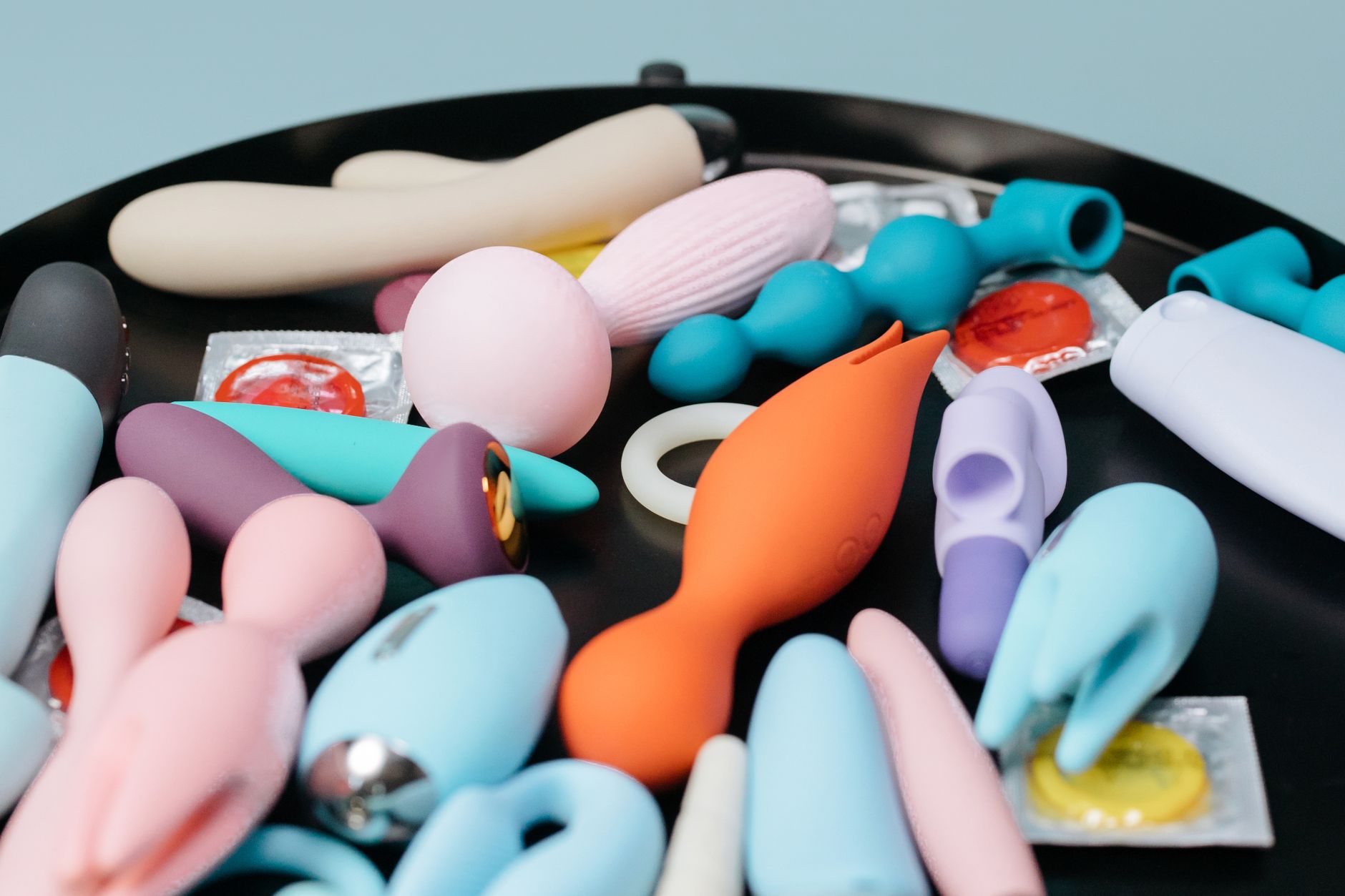
Photo by Madison Inouye on Pexels
How to talk to your doctor about this
Don't wait. Bring it up at your next appointment or call sooner. Your doctor needs to know because sexual side effects from SSRIs are documented and addressable. They might suggest:
- Switching to an SSRI with a lower sexual side-effect profile. Sertraline and fluoxetine are more likely to cause these issues than some others.
- Adjusting your dose. Sometimes a small reduction helps without losing the mental health benefit.
- Adding a medication like bupropion, which can sometimes counteract SSRI-related anorgasmia.
- Timing your dose differently if that's an option.
The point is: medication side effects that affect your quality of life are worth discussing. You're not complaining about nothing. This matters.
What you might not expect to shift
Desire can actually stay intact even when sensation and orgasm are affected. A lot of people find this weird. You want to have sex, you're turned on mentally, but your body isn't cooperating. That's completely normal on SSRIs. It also means you're not broken. You're just working with a different nervous system than you were a few weeks ago.
Some people also find that after they adjust to SSRIs and their mental health stabilizes, desire actually increases over time. The anxiety or depression that was flattening everything starts lifting, and sexuality returns. It just takes longer than you might expect. Be patient with yourself.
FAQ
How long until sexual side effects improve?
It varies widely. Some people adjust within 4 to 8 weeks. Others take months. And some don't improve without intervention. If you're still struggling after two months, talk to your doctor about options rather than just waiting.
Can I stop taking my antidepressant to get my sex drive back?
No. Going off SSRIs to restore sexual function is trading one problem for another. The depression or anxiety will likely come back, which is worse for your overall mental health than the sexual side effects. Work with your prescriber on adjustments instead.
Do all SSRIs cause sexual side effects equally?
No. Paroxetine and fluoxetine are more likely to cause anorgasmia than sertraline or citalopram. If you're struggling, ask your doctor if switching to a different SSRI might help. It's a legitimate medical question.
Will using a lemon clitoral vibrator like the Lem help more than a regular vibrator?
For many people on SSRIs, yes. The suction-based mechanism of the Lem stimulates more of the clitoral tissue at once, which can be more effective when sensation is muted. But everyone's different. What matters is finding what works for your body right now.
Is there anything natural that helps restore sexual sensation on SSRIs?
Mostly, no. There's no supplement or herb that reliably counteracts SSRI-related anorgasmia. Time, communication with your doctor about medication options, and technique adjustments are your best tools. Don't waste money on unproven remedies.
What if my partner is frustrated by the changes?
This is a conversation worth having directly. It's not about you failing. It's about your body adapting to medication that's keeping you mentally healthy. A good partner understands that your mental health comes first. If your partner is dismissive, that's a relationship issue separate from the medication. Consider talking to a couples therapist if this becomes a point of conflict.
The bottom line
SSRI side effects on sexual function are real, common, and not something you have to accept silently. Your pleasure matters. The changes you're experiencing aren't permanent, and there are concrete steps you can take. Longer warm-up, layered sensation, better toy choices, and an honest conversation with your prescriber can all help restore what medication temporarily muted. You deserve to feel good, both mentally and sexually. Those aren't competing goals.