Why Lemon Vibrators Feel Different After Pregnancy and Postpartum Recovery
Your body changes. Your pleasure doesn't disappear—but the path back to it shifts. Here's what actually happens, and how clitoral vibrators fit into your recovery.
Let's be direct: pregnancy and birth reshape your pelvic floor, your hormones, your energy, and sometimes how your clitoris feels when you touch it. None of that means your pleasure is gone. But ignoring the changes and expecting everything to feel identical? That's a recipe for frustration.
I've worked with hundreds of couples navigating postpartum intimacy, and the pattern is always the same. One partner assumes orgasm works the same way it did before. The other partner's body has fundamentally changed. Someone ends up feeling broken. No one is. The information is just missing.
Here's what's actually happening physiologically, and why lemon vibrators—specifically the suction-based design—often work better than traditional vibration during postpartum recovery.
Your pelvic floor muscles support your bladder, bowel, and uterus. During pregnancy, they stretch under 25-30 extra pounds of weight. During vaginal birth, they stretch even more, sometimes tearing. Even after cesarean delivery, nine months of hormonal relaxation leaves them weakened.
This matters because the pelvic floor directly affects sexual sensation. When those muscles are weakened or healing, direct pressure or intense vibration can feel overwhelming, numb, or even painful.
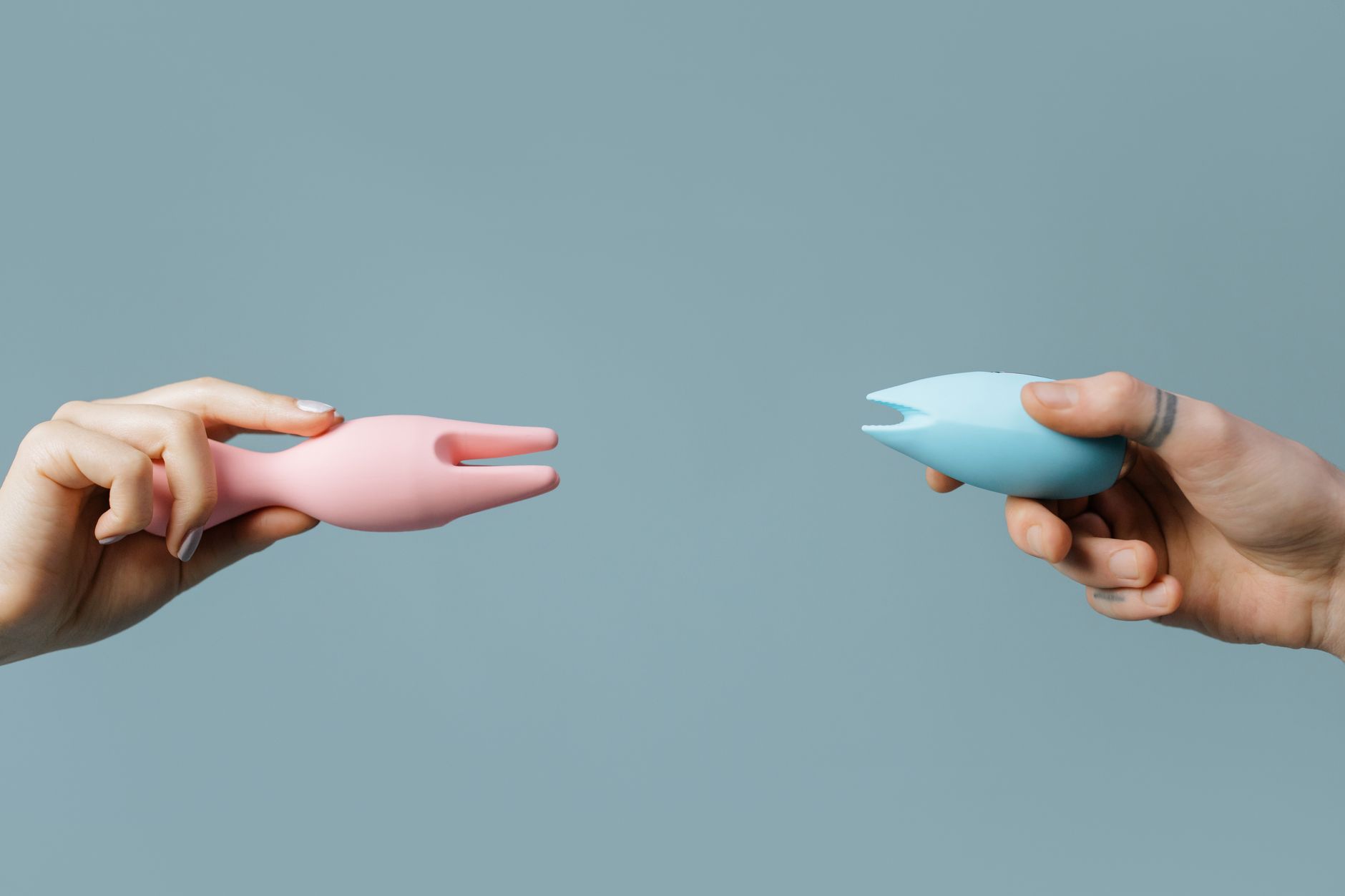
Clitoral suction—the mechanism in Lemon Intimacy's lemon clitoral vibrators—works differently. Instead of banging repeatedly at high intensity, suction stimulates the thousands of nerve endings in your clitoris through gentle, rhythmic compression. You get strong sensation without the raw friction that can irritate healing tissue.
Many postpartum people find that after 6-8 weeks of recovery, lemon vibrators feel significantly better than the traditional vibrators they used before pregnancy.
During pregnancy, estrogen and progesterone surge. After delivery, they plummet. Progesterone stays low if you're breastfeeding. This hormonal cliff affects:
Tissue thickness and blood flow. Your vulva may feel thinner, less plump, less responsive initially. This is temporary, but it's real. Clitoral suction works well here because it doesn't require the same tissue engorgement that traditional vibration does.
Lubrication. Breastfeeding suppresses estrogen further, which can mean drier tissue even weeks after delivery. Water-based lube becomes essential, not optional.
Sensation mapping. Some people report their clitoris feels "numb" or hypersensitive. Both are normal. Both resolve, usually within 3-6 months. But during that window, you need tools that work with your current nervous system, not against it.
Orgasm intensity. Even when you can orgasm, the feeling might be flatter, less full-bodied than before. This isn't permanent. It's your nervous system recalibrating while managing sleep deprivation, new stress hormones, and the physical aftershocks of labor.
A standard vibrator relies on speed and repetitive friction. Postpartum, that can feel:
Too intense (the clitoris is hypersensitive to direct contact)
Not intense enough (desensitized tissue needs different stimulation)
Irritating (if there's any inflammation or healing tissue involved)
Exhausting (you're already touching someone else all day; you want efficient, not effortful)
Lemon vibrators with suction technology sidestep all of this. Instead of friction, you get rhythmic suction at varying intensities. You can start at pattern 1, barely-there gentleness, and work up as your body heals and your hormones stabilize.
Postpartum isn't just biology. You're sleep-deprived, your identity has shifted, your relationship dynamic has changed, and your body might feel like it doesn't belong to you anymore.
Many postpartum people describe sex (with a partner or alone) as something that was done to them rather than something they experienced. Regaining agency over your own pleasure is part of healing.
Using a lem vibrator solo, on your timeline, with no expectation tied to partnered sex, is often the easiest re-entry point. You get to rediscover what feels good without performance pressure.
Doctors typically clear you for penetration at 4-6 weeks postpartum (longer if you had tearing or episiotomy). But clearance is not the same as readiness.
Your pelvic floor might still be healing. Your hormones are still bottoming out. You might be touched out from breastfeeding or infant care. You might feel zero desire because your nervous system is in survival mode.
All of that is normal. And all of it is a reason to skip partnered sex but explore solo pleasure if it appeals to you. Clitoral vibrators (especially gentler options like lemon vibrators) can help you reconnect with sensation on your own terms, which often makes partnered sex feel less fraught when you're ready.
Start solo. Alone, with no time pressure, no partner expectation. You get to discover what your body feels like now, not what it used to feel like.
Use lubricant freely. Even if you didn't need it before pregnancy, you probably do now. Breastfeeding-related dryness is real. Water-based lube works with silicone toys and feels natural.
Begin at the lowest intensity. With lemon vibrators, that means pattern 1 or 2. Let your tissue adapt. Increase intensity only if you want to, not because you think you should.
Give yourself permission for different sensation. Your orgasm might feel different for months. That's not wrong. It's adaptation. It usually resolves.
Don't rush penetration. You don't owe your partner intercourse on a timeline. Clitoral pleasure is complete pleasure. Some postpartum people find they prefer external stimulation for several months. That's fine.
If you're experiencing pain during touch or orgasm beyond 8-12 weeks postpartum, that's worth mentioning to your OB or midwife. Pelvic floor physical therapy can be genuinely life-changing if your muscles are still too tight or too weak.
If you've had no desire for several months and aren't breastfeeding anymore, that might be worth exploring too. Postpartum depression and anxiety affect libido, and both are treatable.
But ordinary postpartum sensation change—feeling numb, hypersensitive, flat, or different in ways you can't quite name—is so common it's almost universal. You're not broken. Your body is healing and recalibrating. Tools designed for sensitive, recovering tissue (like lemon vibrators with suction) make that process feel a lot less lonely.
If you have a partner, they need to understand that postpartum is not a sex drought—it's a recalibration. You're not rejecting them. Your nervous system is managing huge change.
Many couples find that couples' intimacy actually deepens postpartum if they approach it with honesty. That might mean more oral, more manual, more non-penetrative play while your body heals. That might mean one partner using a lemon clitoral vibrator while the other watches and learns what your pleasure looks like now.
Intimacy doesn't have one shape. After pregnancy, it often gets more creative.
Some people feel ready to explore clitoral pleasure again at 6 weeks. Others take 6 months. Some don't feel interest until they stop breastfeeding. There's no wrong timeline.
What matters is that when you're ready, you have tools that match your body's current reality—not its pre-pregnancy shape. Lemon vibrators, with their gentle suction mechanism and adjustable intensity, are designed exactly for this kind of sensitive, healing tissue. They let you rebuild pleasure without forcing it.
Your postpartum body is not a downgrade. It's a different body with different needs. Honor those needs, and pleasure returns naturally.
Physically, you can begin clitoral stimulation as soon as it feels good—even a few days postpartum if you want to. However, most people find that waiting until week 4-6 feels better, once the acute swelling and soreness have settled. If you had significant tearing or an episiotomy, ask your provider for clearance. There's no rush. Your pleasure isn't going anywhere.
Completely normal. Pregnancy hormones, birth trauma (even uncomplicated births), and postpartum inflammation can temporarily dull sensation. Numbness usually resolves within weeks to months. In the meantime, lemon vibrators with suction often work better than traditional vibration because they stimulate through a different mechanism—one that doesn't require as much pre-existing sensitivity.
Yes. Breastfeeding suppresses estrogen, which means less natural lubrication and sometimes thinner tissue. That actually makes lemon vibrators more practical than traditional vibrators because the suction-based stimulation is gentler on dry, sensitive tissue. Use water-based lube and you're set.
That's extremely common and doesn't mean something is wrong. Pelvic floor physical therapy helps many postpartum people. In the meantime, focus on what feels good—usually external clitoral stimulation through a vibrator or partner touch. Once your pelvic floor relaxes and your hormones stabilize, penetration typically becomes comfortable. There's no rule that says you have to do it on your doctor's timeline.
Eventually, yes. But for a few months, they might feel flatter, less full-bodied, or arrive more slowly. That's your nervous system adapting. As your hormones stabilize and your pelvic floor heals, sensation usually returns to baseline. Many people find their orgasms feel better postpartum once the recovery window closes.
Not just okay—it's often the healthiest choice. Solo exploration lets you rediscover your body without performance pressure. Many postpartum people find that solo pleasure with a lemon clitoral vibrator actually makes partnered sex feel easier and more joyful when they're ready because they've already reestablished trust with their own body.
Postpartum recovery takes time. Your pleasure is worth that time. Give yourself grace, use tools designed for your current body, and reconnect with sensation at your own pace. That's not settling. That's self-care.
If you're ready to explore how clitoral suction works for you, check out Lemon Intimacy's collection. Or if you have questions about your specific situation, reach out—we're here to help.