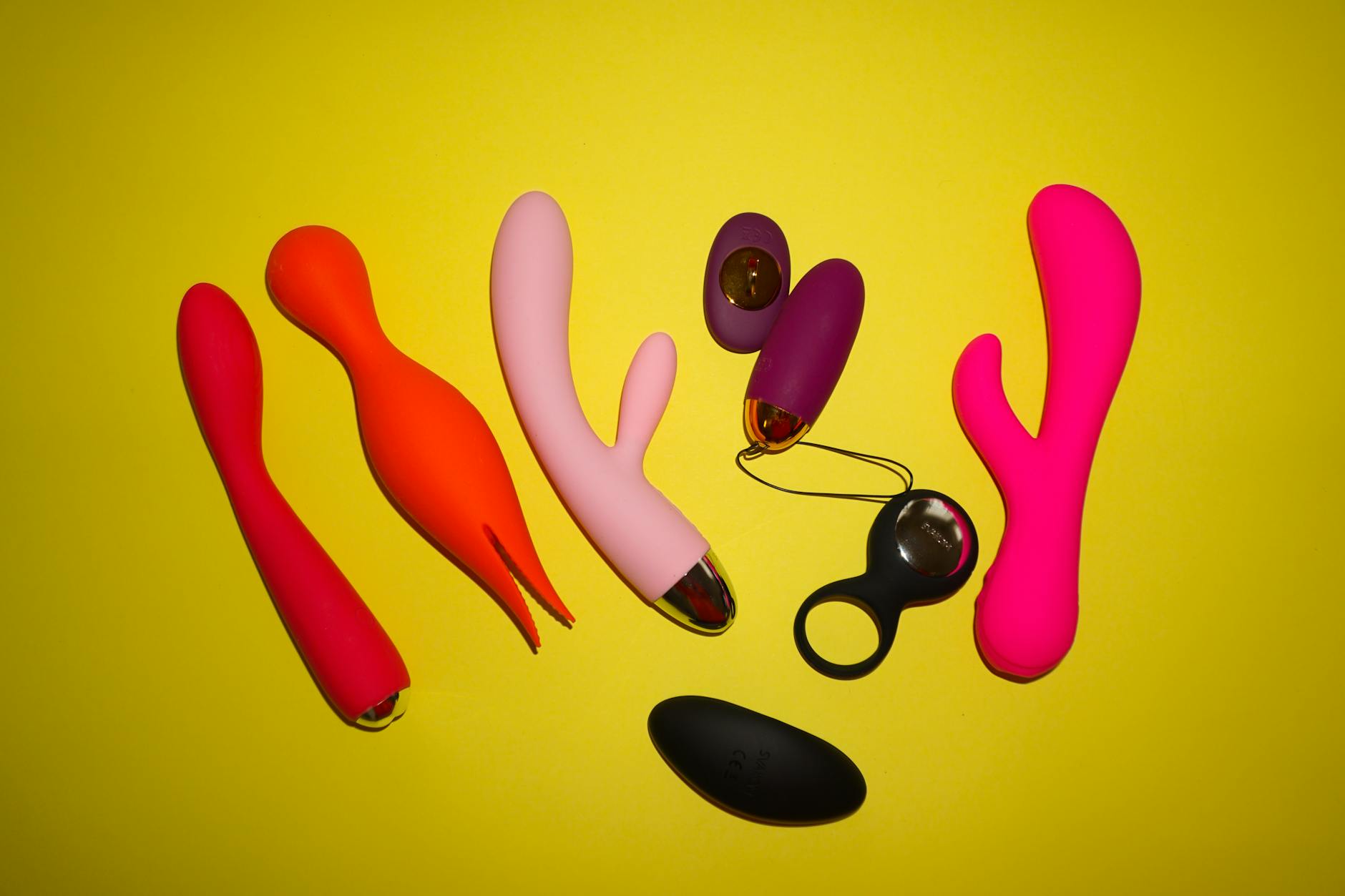
Let's acknowledge the awkwardness first
Six months. Two years. Five years. The gap doesn't matter as much as the feeling when you think about starting again. Your body feels unfamiliar. The person next to you (or you alone) feels like a stranger. There's shame mixed in, and confusion about whether you even want this anymore, or whether you just think you should.
Here's what I tell people: that pause doesn't erase your capacity for pleasure. It just means your nervous system needs permission to wake up again. Lemon vibrators, specifically the suction-based designs, are engineered to restart sensation without demanding much from you. They do the work. Your job is just to show up and feel.
Let's walk through how.
Why pleasure needs a slow restart
When you've been away from intimacy for an extended time, a few things happen below the surface. Your pelvic floor tightens from disuse. Arousal takes longer to build because your brain isn't primed for that signal anymore. Sensitivity dips because the nerves aren't being stimulated regularly. And psychologically, anticipation can feel more like anxiety than excitement.
The mistake most people make is trying to recreate what they remember. They expect their body to respond like it used to, on the same timeline, with the same intensity. And when it doesn't, they interpret that as something being broken.
It's not. Your body is just being honest. It needs a gentler reintroduction.
The first session: expectations, honestly
Set a timer for 20 minutes and plan to use it just for exploration, not orgasm. This sounds counterintuitive, but removing the goal makes the experience less fraught. You're not "trying to come back." You're just getting curious about what your body can feel.
Start with your clothes on. Yes, really. Set the Lem to pattern 1 or 2 (the gentlest setting) and hold it over your underwear for a few minutes. You're listening for what happens. Does your breath shift? Does your skin warm? Do you feel anything at all? All of those are fine answers.
Most people report that sensation starts arriving after 30 seconds to 2 minutes. It's often described as tingling, not the explosive feeling they remember. That's exactly right. You're waking nerves that have been asleep.
Managing the head stuff (it matters more than you think)
Here's what I see repeatedly in my practice: the physical restart is maybe 30 percent of the work. The mental restart is 70 percent. You're carrying stories about why the break happened. Maybe you feel resentful at a partner. Maybe you're grieving something that ended. Maybe you're terrified of disappointment.
Those stories live in your nervous system. Your body knows them.
Before you pick up a toy, sit with yourself for five minutes and ask: what am I actually feeling about this? Not what do I think I should feel, but what's actually present. Write it down if it helps. You don't have to solve it. You just need to name it, so your body doesn't think it has to protect you by shutting down pleasure.
If anxiety spikes during a session, pause. Put the toy down. That's not failure. That's your nervous system doing its job. Breathe. Shake your hands out. Come back to it after a few minutes, or leave it for today and try again tomorrow.
The second week: expanding sensation
Once you've had a few gentle sessions where your body is starting to respond, you can experiment with the intensity dial. Move from pattern 1 to pattern 3. Notice what's different. Not better or worse, just different.
Many people find that lemon clitoral vibrators respond beautifully to slower, sustained stimulation. Instead of chasing sensation, let the sensation come to you. Hold the toy steady for 30 seconds, then move it slightly. Pause. Listen to what your body is asking for next.
If you're with a partner, invite them to hold the toy while you guide them. This does two things: it gives control back to your nervous system (you can speak up if something feels wrong), and it rebuilds trust and attention between the two of you. Pleasure becomes collaborative, not performative.
Three things that help rebuild faster
First: consistency beats intensity. Five minutes every other day is better than a 45-minute marathon once a month. Your nervous system learns through repetition that pleasure is safe. That learning only happens if it's regular.
Second: warm up your body first. A 10-minute shower, some gentle stretching, even just rubbing your own legs wakes up your proprioception (your sense of where your body is in space). Touch yourself before you touch yourself with a toy. This isn't foreplay. It's permission.
Third: add lubrication even if you don't think you need it. After a long break, natural lubrication can take time to flow. Water-based lube isn't a sign of failure. It's a signal to your body that pleasure is coming, which actually speeds up your natural response.
When to call in backup (therapist or doctor)
If after four weeks of regular, gentle sessions your body still feels completely numb, see a therapist or gynecologist. This could be hormonal. It could be trauma-related. It could be medication side effects. It's real, and it's fixable, but you need support.
Same thing if anxiety is spiking consistently. A somatic therapist or a sex therapist can help you unpack the nervous system piece in a way that deepens your own practice.
Why lemon vibrators specifically for this
The suction technology in Lemon Intimacy's clitoral vibrators doesn't require the same kind of direct friction that traditional vibrators do. After a long break, that gentleness matters. Your tissue is sensitive. Your nervous system is cautious. A lemon adult toy gives you precision and control without feeling aggressive.
Plus, the variety of patterns means you can stay in one rhythm for weeks while you rebuild, then graduate to more complex patterns as your body wakes up. You're not outgrowing the toy. You're growing into your own capacity with it.
The psychological shift that's actually happening
What you're really doing here isn't just restarting a habit. You're rebuilding trust with your own body. You're saying: I hear you. I'm not going to demand more than you can give. I'm going to go slow, and I'm going to listen.
That's radical for most people. We're taught to push through discomfort, to perform, to bounce back fast. Slow return to pleasure is the opposite of that. It's a rebellion, actually. You're choosing your body's pace over the world's expectations.
That matters. Your body knows when you're finally on its side.
Frequently asked questions
Q: How long does it usually take to feel "normal" again?
A: Normal is a loose term. Most people report that sensation starts feeling familiar again after 4-6 weeks of consistent practice. But "normal" might not look like what it used to. It might be different, and honestly, that can be better. You're not the same person who took the break. Your body isn't either. You're both renegotiating what pleasure means.
Q: Is it weird to use a vibrator when I'm restarting alone?
A: Not even slightly. Some people find it easier to restart solo because there's no performance pressure, no eye contact, no one watching to see if you're having a good time. You can be completely selfish. You can stop whenever you want. You can feel without having to translate that feeling into actions. That's actually ideal for rebuilding.
Q: What if my partner is frustrated about the timeline?
A: That's a conversation to have with your partner before you restart, ideally with a relationship counselor if the frustration runs deep. Your return to pleasure isn't a timeline for them to manage. It's a process your nervous system is running. A good partner will get curious about how to support that, not accelerate it.
Q: Can I use lemon sucker designs instead of traditional vibrators for this?
A: Absolutely. Suction-based toys like the Lem vibrator are gentler and often feel less intense on returning bodies. They're a great place to start. The pattern options let you stay in a slow rhythm while you rebuild.
Q: Should I tell my partner I'm using a vibrator to restart?
A: That depends on the relationship. If secrecy feels necessary, that's worth examining with a therapist. Long-term intimacy works better when you're not hiding the process of caring for yourself. But you also don't owe anyone a play-by-play. "I'm taking time to reconnect with my own pleasure" is enough.
Q: What if nothing changes after a month?
A: Stop and get support. This could be depression, hormonal, medication-related, or related to unprocessed trauma. None of those things are permanent, but they all benefit from professional input. You're not broken. You just need a different kind of help.
The part I wish someone had told me
Pleasure after a long break feels like coming home to a house you haven't visited in years. Everything's familiar, but rearranged. You don't remember where the light switches are. You're slightly nervous about what you'll find.
But that house is still yours. And the longer you're inside, noticing the details, the less strange it feels.
Start small. Stay consistent. Trust your body's pace. That's the whole strategy. Everything else is just showing up.