Here's the thing about clitoral sensitivity
Your clitoris isn't broken. It's just recalibrated. That loss of sensation you're noticing, that feeling like it takes longer to get there or the intensity isn't quite the same, happens to most people at some point. It doesn't mean you've lost the ability to feel pleasure. It means your nervous system has adapted to the stimulus it's been receiving.
Clitoral desensitization is real and fixable. The fix isn't what most people think.
Why sensation dulls over time
There are three main reasons your clitoris might feel less responsive than it used to:
Repeated stimulation at the same intensity. Your nervous system adapts. This is called habituation. If you've been using the same vibration pattern, pressure, or toy for years, your nerve endings adjust to that input. They become less reactive because they're no longer novelty. This isn't failure. It's how nervous systems work.
Using traditional vibrators that deliver constant, direct pressure. Standard vibrators press against tissue continuously. Over months or years, that sustained pressure can actually thin the tissue slightly and desensitize the nerves that live there. It's like the difference between a constant hum and a rhythmic pulse. One numbs you over time. The other keeps firing.
Life stress, hormonal shifts, medication changes, or relationship dynamics. Your clitoris doesn't exist in a vacuum. Depression medication, birth control, relationship friction, work stress, sleep deprivation, even age and hormonal shifts all affect blood flow and nerve sensitivity. This isn't about the toy. It's about context.
What changes when you switch to suction
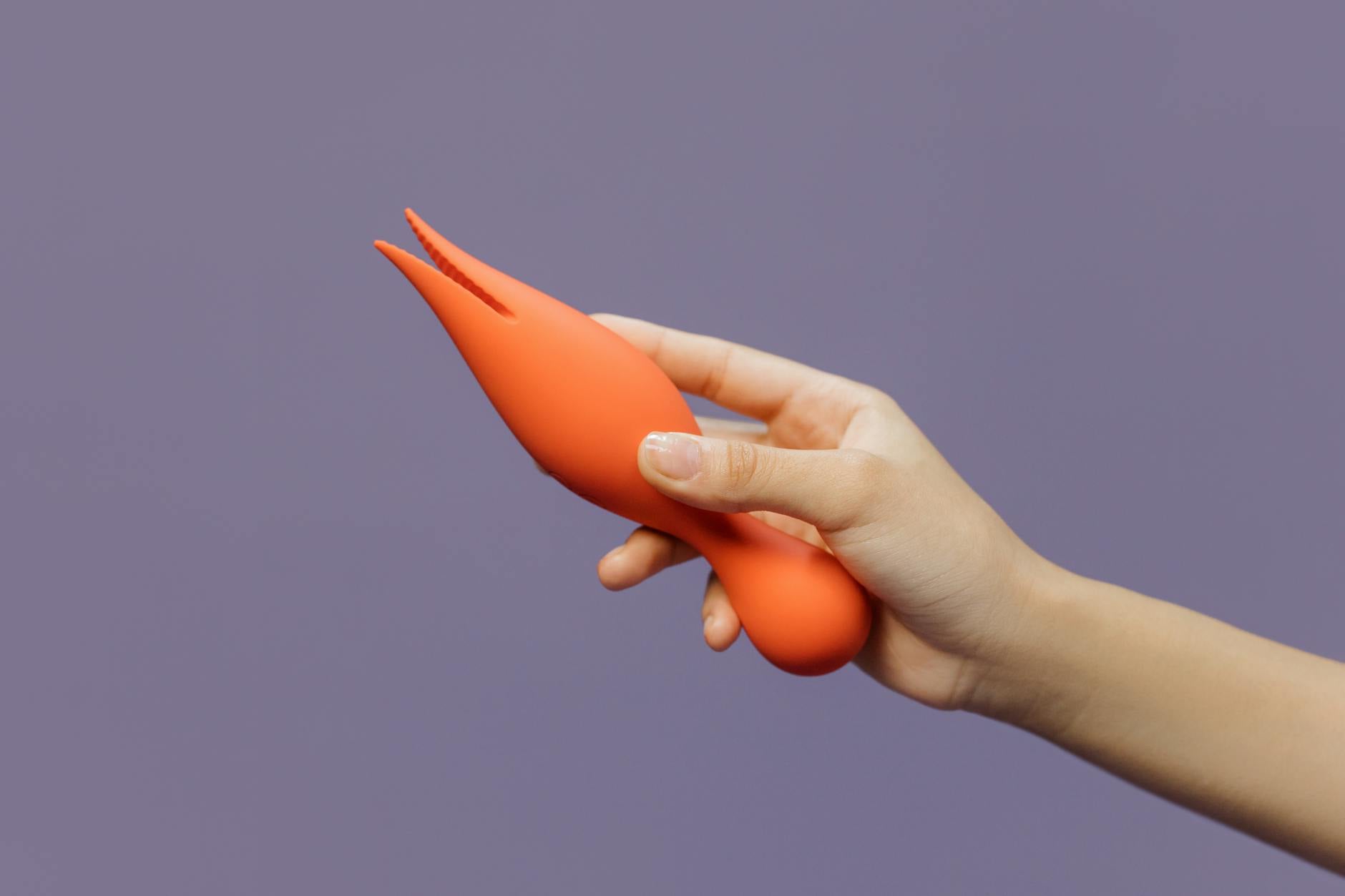
Lemon clitoral vibrators, especially the Lemon suction model, work on a completely different principle than traditional vibrators. Instead of direct vibration, suction creates rhythmic pressure and release. This stimulates a different set of nerve endings and does something crucial: it gives your existing nerves a break from habituation.
When you switch from traditional vibration to suction, most people notice intensity comes back within a few sessions. Not because the toy is magic, but because you're triggering different sensory pathways. Your nervous system wakes up.
The science here is straightforward. The clitoris has thousands of nerve endings concentrated in a tiny area. Traditional vibrators engage the same nerves repeatedly at the same depth and intensity. Suction engages different nerves because it works with vacuum and release rather than friction. It's novelty built into the design.
The reset protocol: how to actually use this
If you've been experiencing reduced sensitivity, here's the approach that works:
Week 1: Take a break. This sounds counterintuitive, but it's not. If you've been using traditional vibrators regularly, give yourself 5-7 days without any vibration. Not forever. Just a week. This lets your nervous system reset. Your receptors downregulate and then re-sensitize. It's why a vibrator feels amazing after you haven't used one for a bit.
Week 2: Introduce suction at low intensity. Start with the Lemon on its lowest setting. Spend 10-15 minutes exploring. Don't aim for orgasm. Just feel. This is a reacquaintance session. Your nerves are waking up, and they need gentle introduction.
Week 3: Build intensity slowly. Gradually move through the intensity settings over several sessions. Spend 2-3 days at each level before moving up. This teaches your nervous system that sensation is variable, not predictable.
Week 4 onward: Vary the pattern. Don't fall into the same groove you fell into before. Use different settings on different days. Take occasional breaks. Vary where you start and stop stimulation. Novelty is the antidote to desensitization.
Why alternating toys matters more than you'd think
One of the biggest mistakes people make when dealing with reduced sensitivity is buying the same type of toy they've always used, just hoping this one will feel different. It won't. Your nervous system has already adapted to that stimulus type.
Rotating between suction and vibration, or between different intensities, or even between toys and hands, keeps your receptors engaged. This is called stimulus variety, and it's the difference between sensation that sticks around and sensation that fades again in six months.
You don't need five toys. You need different sensation types. A lemon clitoral vibrator paired with occasional use of hands or a partner, or paired with breaks, or paired with a completely different toy every couple of months, resets the habituation clock.
The mental piece (which actually matters)
Here's what most guides skip: reduced sensitivity is often intertwined with anxiety about sensation. You notice it's less intense, worry about it, tense up, which makes it even less intense. This is a real feedback loop.
When you're switching approaches, give yourself permission to feel differently. Suction won't feel like vibration. That's the point. Different isn't worse. It's different. It takes 2-3 weeks for your brain to decide if it likes different. Don't evaluate after one session.
Also worth checking in on: are you actually relaxed? Stress kills sensation faster than anything else. If you're juggling work anxiety or relationship tension, your nervous system won't prioritize pleasure. This doesn't require a therapist to fix (though it wouldn't hurt). It requires noticing. Ten minutes of breathing or a short walk before play time sometimes does more than any toy.
When to check in with a healthcare provider
If sensitivity loss is sudden, accompanied by pain, or happens alongside other health changes, talk to your doctor. Reduced sensation can occasionally signal something worth investigating. Hormonal changes, medication side effects, or nerve issues are real possibilities. A quick conversation with your GP or gynecologist rules out the stuff that actually needs attention.
For most people, though, this is habituation plus novelty deficit. The fix isn't medical. It's recalibrating how you approach stimulation.
The reset works because your body wants to feel
Clitoral sensitivity doesn't go away permanently. It adapts. Once you understand that adaptation is the issue, not damage, the fix becomes obvious: change the input, and sensation returns. A Lemon clitoral vibrator, specifically the suction models, reset that input in a way that traditional vibrators can't because they engage your nervous system differently.
Your clitoris hasn't forgotten how to feel. It's just been getting the same message for too long. Switch the message, and it wakes up again.
FAQ: clitoral sensitivity and Lemon vibrators
Can you permanently desensitize your clitoris?
No. Desensitization is adaptive, not permanent. Your nervous system is incredibly responsive. Once you change the stimulus, sensitivity returns. The longest recovery I've seen is a few weeks with consistent variation. Most people notice intensity coming back within days of switching to suction.
Does using a Lemon vibrator make you dependent on it?
Not if you use it right. The key is variety. Use suction for a while, then switch to other stimulation. Use it for a few weeks, then take a break. This is how you keep sensation fresh. The problem with becoming dependent on any toy is using the same one, at the same intensity, in the same way, every single time. Avoid that pattern, and you're fine.
How long does it take for sensitivity to come back?
With a reset protocol and suction stimulation, most people feel intensity returning within 3-7 days. It's not dramatic. You just notice the response is faster or the sensation feels more acute. Full recovery to "this feels amazing again" usually takes 2-3 weeks.
Is it normal for clitoral sensation to change with age or hormones?
Completely normal. Hormone shifts affect blood flow and nerve sensitivity. This is why sensation sometimes changes during your cycle, after hormonal birth control changes, or as you age. This doesn't mean pleasure is gone. It means the sensitivity landscape shifted. Suction and novelty work at any age or hormone stage.
Can medication affect clitoral sensitivity?
Yes. Some antidepressants, blood pressure medications, and hormonal contraceptives can affect sensation. If you've recently started a new medication and noticed changes, mention it to your prescriber. Sometimes switching or adjusting timing helps. Sometimes this is just the trade-off, and a suction vibrator becomes your reset tool.
What if nothing brings sensitivity back?
Then something else is probably going on. This could be nerve damage from old injury, a health condition affecting blood flow, or a side effect of medication that requires a prescriber's attention. Worth checking in with a healthcare provider if multiple reset approaches over 4-6 weeks don't bring sensation back to baseline.
References
This guide draws on clinical research in sensory adaptation, published literature on clitoral physiology, and evidence-based approaches to sexual function in partnership literature. For deeper reading on habituation and sensory systems, the work of Diana Fleischman and research published in Archives of Sexual Behavior on vibration effects on nerve sensitivity provides solid grounding.
For personalized guidance on medication-related sensitivity changes or concerns beyond typical habituation, consulting a sex-positive healthcare provider or pelvic health specialist is always the right call.