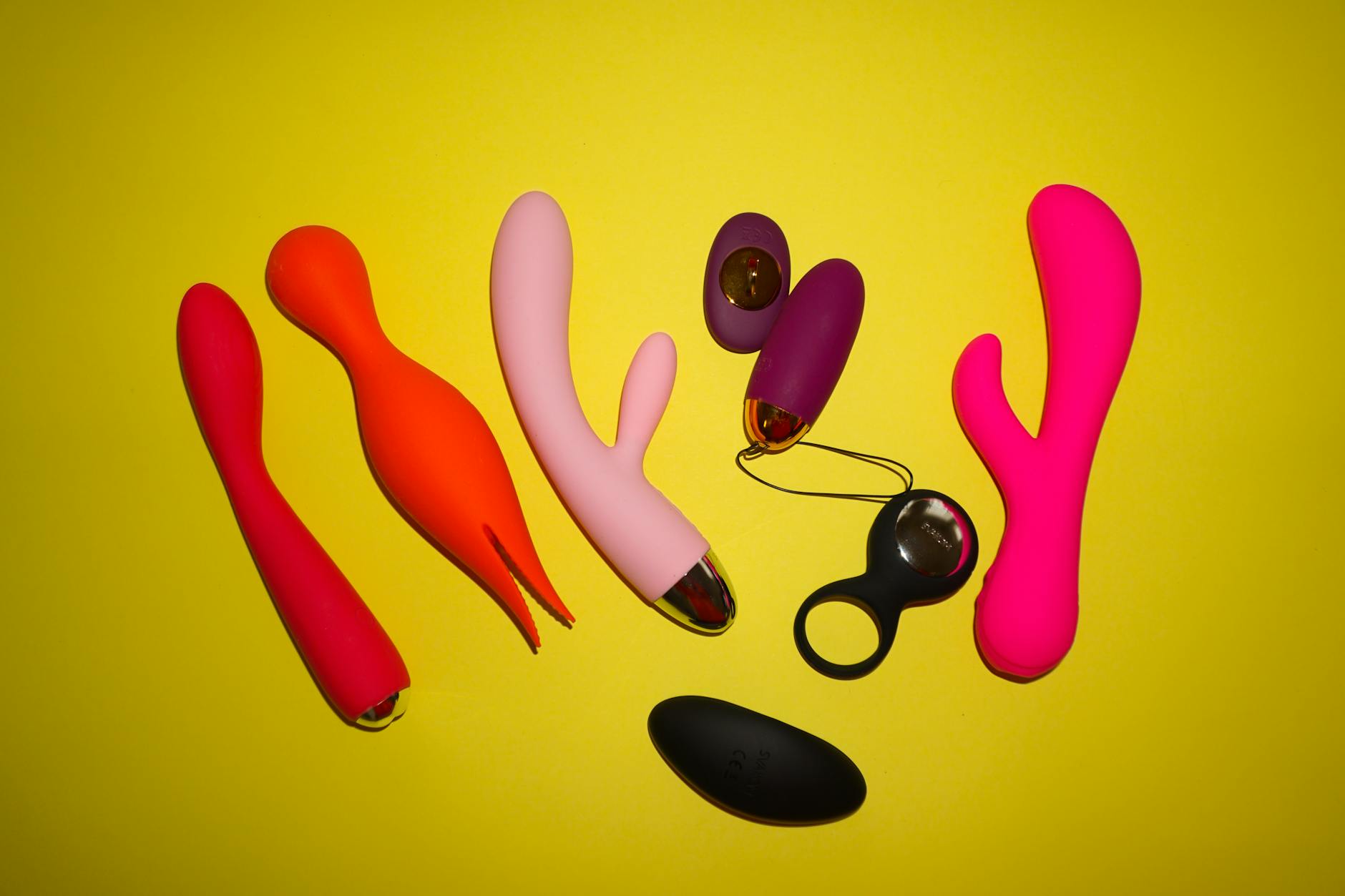
The gap between healing and feeling
Pelvic pain changes everything about how you experience your body. Not just during sex, but in movement, breathing, and trust. By the time pain actually ends, the fear stays put. You've learned that your pelvis is unsafe. Your nervous system has learned it too.
Lemon clitoral vibrators, especially suction-based ones like the Lem, are quietly one of the best tools for rewiring that relationship because they work with your body's natural healing rather than against it. They don't require the penetration that might feel triggering. They build arousal gradually. And they give your nervous system permission to learn that pleasure and safety can coexist.
I work with clients through pelvic pain recovery regularly. What I've noticed is that the people who return to satisfying orgasms fastest aren't the ones who rush back into old patterns. They're the ones who rebuild slowly, intentionally, and with tools that don't ask their bodies to perform on old terms.
Why pelvic pain rewires your arousal response
When your pelvic floor holds tension or pain for months or years, your nervous system learns to protect that area. Arousal signals get dampened. The pathways between your brain and clitoris still exist, but the volume is turned way down. It's not laziness or low desire. It's your body being smart. It learned that activation in that area meant pain.
Recovery doesn't erase that learning instantly. Physical healing and nervous system relearning happen on different timelines. You can be pain-free and still have a quiet libido. You can be cleared by your doctor and still feel guarded. Both are normal.
Lemon vibrators matter here because they let you control the intensity, duration, and type of stimulation. Unlike manual touch, which carries social or relational pressure, a suction vibrator like the Lem works on its own schedule. You can start on the lowest setting, which many clients describe as almost a gentle massage rather than intense stimulation. That's not a bug. That's exactly the right entry point for a nervous system that's learning to trust pleasure again.
Starting with the gentlest touch
If you're within six months of your pain resolving, assume you're starting from scratch. Not because you've lost your capacity for pleasure, but because your body needs permission to be curious about it again without fear.
Here's the sequence I recommend:
Week one to two: clothed or external only. Use the Lem over underwear or clothing. Set it to pattern one or two. This isn't about orgasm. It's about your nervous system noticing that vibration in that zone feels okay. Three to five minutes is enough. Your only job is to notice without trying to feel anything special. That sounds counterintuitive, but removing the pressure to come is what makes nervous system relearning possible.
Week three to four: direct contact, lowest intensity. Move to bare skin if that feels comfortable. Same patterns, same duration. Many clients tell me this is where they first notice a quiet tingle, which feels like the nervous system waking up. That tingle is everything.
Week five to six: explore patterns. Once lowest intensity feels genuinely pleasant without triggering anxiety, try patterns three through five. The Lem has eight patterns total. You're not looking for the one that makes you come. You're looking for the ones that feel good to your body right now.
Week seven plus: arousal building. This is where you might add lubrication, extend sessions to ten to fifteen minutes, and start noticing what builds sensation over time. Orgasm might happen. It might not yet. Either way, you're teaching your body that arousal is safe.
Why suction works better after pelvic pain
Lemon vibrators, especially suction-based models, don't require friction or pressure in the way traditional vibrators do. Suction works by creating rhythmic gentle pressure changes around the clitoris. That's a different signal to your nervous system than vibration alone. Many people recovering from pelvic pain report that suction feels less intense, less demanding, and easier to build pleasure with gradually.
The Lem uses pulsed suction patterns that mimic gentle oral stimulation without the unpredictability of a partner or the pressure to perform. You control the intensity. You control the rhythm. You can stop anytime without explanation or negotiation.
That control is the entire point. Pelvic pain often steals your sense of agency in your own pleasure. Rebuilding that means making decisions about your body that stick. Using a tool you can start and stop, ease into and exit from, gives your nervous system evidence that you're actually in charge.
Lubrication and tissue sensitivity after recovery
After pelvic pain or pelvic floor dysfunction, your tissues might be slightly more tender than they were before. That doesn't mean fragile. It means thoughtful about what you introduce.
I recommend water-based lubricant without glycerin or numbing agents. Glycerin can feed bacteria and shift your microbiome. Numbing products are counterproductive because you're trying to rebuild sensation, not reduce it. A simple water-based lube from Hello Nancy's care recommendations lets you glide the Lem without friction while keeping all sensation intact.
Start with a dime-sized amount. The Lem works well with light lubrication because suction doesn't require the same slickness that friction-based vibrators do. You can always add more if something feels dry.
Building arousal without pressure
One of the biggest shifts after pelvic pain is learning to separate arousal from performance. Before pain, you might have orgasmed easily. That baseline becomes a target, and suddenly you're chasing something your nervous system isn't ready to deliver yet. That chase makes everything harder.
Instead, spend a few weeks just exploring arousal without any goal. Use your lemon vibrator while reading something sexy, or while thinking about a partner or fantasy. Let arousal be a spectrum. Three out of ten is fine. Seven out of ten is great. You don't need to hit ten to know that pleasure is returning.
Many clients find that stopping short of orgasm for the first few weeks actually speeds recovery. It takes pressure off. It trains your body that arousal is safe even if it doesn't conclude with climax. Then, when orgasm does return, it feels like a bonus rather than an obligation.
When to involve a partner, and how
If you're in a relationship, this conversation deserves its own time and space. Not during an attempt at sex, but sitting down with tea or coffee, when you're both calm.
The conversation isn't "I want to use a vibrator because you're not enough." It's "I'm rebuilding my relationship with my own pleasure. I'd love to explore this together, but I also need space to figure out what feels safe to my body right now." Those are very different messages. The first creates defensiveness. The second invites partnership.
A partner can be present while you use the Lem without necessarily being involved in it. They can sit nearby, offer company, maybe provide comfort touch on your arm or shoulder. That presence normalizes your pleasure as part of your shared life rather than something secret or shameful. Or you might want complete privacy. Both are fine.
What matters is that you decide, and your partner respects it. If they push back or make it about themselves, that's a separate conversation, possibly worth having with a therapist. Your nervous system deserves a partner who supports your healing.
Knowing when to seek additional support
If you're three months past medical clearance and still experiencing sharp pain, or if anxiety spikes every time you attempt arousal, physical therapy or therapy support can help. Pelvic floor physical therapists are trained in desensitization and nervous system regulation. A trauma-informed therapist understands how pain becomes encoded in your nervous system.
Lemon vibrators are tools, not cures. They work beautifully alongside professional support, but they don't replace it. If pain was severe or lasted a long time, or if it was connected to trauma, having professional eyes on your recovery matters.
The bigger picture: pleasure is a form of healing
Let's be real about what's actually happening when you rebuild pleasure after pelvic pain. You're not just getting back to where you were. You're teaching your nervous system that your pelvis is safe, that your body deserves attention, that sensation is worth exploring. That rewiring is profound.
Orgasm doesn't have to be the end goal. But if it is, know that it often comes back when you stop demanding it so hard. Gentle, consistent, pressure-free exploration with a tool you control is often exactly what nervous systems need to remember that pleasure is possible.
Your body isn't broken. It learned to protect itself. Now it's learning something new: that pleasure and safety can happen in the same space.
Frequently asked questions
How long after pelvic pain clears should I wait before using a lemon vibrator?
If your pain is completely resolved and you've been cleared by your doctor, you can start whenever you feel emotionally ready. Some people wait a few weeks after medical clearance to let their nervous system settle. Others jump in immediately. There's no magic timeline. The only requirement is that you feel genuinely curious about it, not pressured or obligated.
Can I use a lemon vibrator if I still have mild pelvic floor tension?
Yes, but on the gentlest settings only. In fact, many pelvic floor physical therapists recommend suction vibrators because they can actually help the pelvic floor relax. The key is listening to your body. If you feel muscle tension increasing or pain returning, stop immediately and check in with your PT before trying again. You're building trust, not proving toughness.
What's the difference between a lemon suction vibrator and a traditional vibrator for pelvic pain recovery?
Suction vibrators like the Lem mimic the sensation of oral stimulation and work through rhythmic pressure changes rather than high-frequency vibration. This often feels less intense and more soothing to nervous systems recovering from pain. Traditional vibrators work well too, but they require more direct friction, which can feel overwhelming early in recovery. Try both eventually, but many people find suction easier to start with.
Should I tell my partner I'm using a lemon vibrator?
That depends on your relationship and comfort level. If you live together or share a bed, yes, eventually. You don't need to announce it like breaking news, but secrecy around your own pleasure often feeds shame. A simple "I'm exploring this tool to help rebuild my pleasure after everything we've been through" is honest and inviting. If your partner responds with jealousy or resentment, that's worth exploring in couples therapy.
How do I clean the Lem or other lemon clitoral vibrators after use?
Wash with warm water and a small amount of gentle soap. Rinse thoroughly. Pat dry with a soft cloth. Never use harsh chemicals or high heat. The silicone is durable, but you want it to last for years. Store in a clean, dry place away from direct sunlight. Some people keep theirs in a small pouch for privacy and protection.
Can I use a lemon vibrator if I'm nervous about orgasm still hurting?
Absolutely. That's actually exactly when they're most useful. You're in control of the intensity, speed, and duration. You can stop the moment something feels wrong. Start with very short sessions at the lowest intensity. Build slowly. If you do orgasm and it feels slightly uncomfortable, that's information. You might need a bit more recovery time, or you might need to adjust the intensity next time. Listen to your body, not to some imaginary deadline.
Moving forward with pleasure
Pelvic pain is real, and the impact goes deep. But so is your body's capacity to heal, adapt, and learn that pleasure is possible again. Lemon vibrators, especially suction-based models, are genuinely useful tools in that process. They're not magic. They're just built thoughtfully for bodies that need to rebuild trust in sensation.
If you're starting this journey, give yourself permission to move slowly. Your nervous system has time. Your body will tell you what it needs. And tools like a lemon vibrator are there to support that conversation with yourself.
If you have questions about your specific situation, or if you're struggling with the emotional side of pelvic pain recovery, I'm here. Reach out to Hello Nancy at /contact, and we can talk through what would help most.