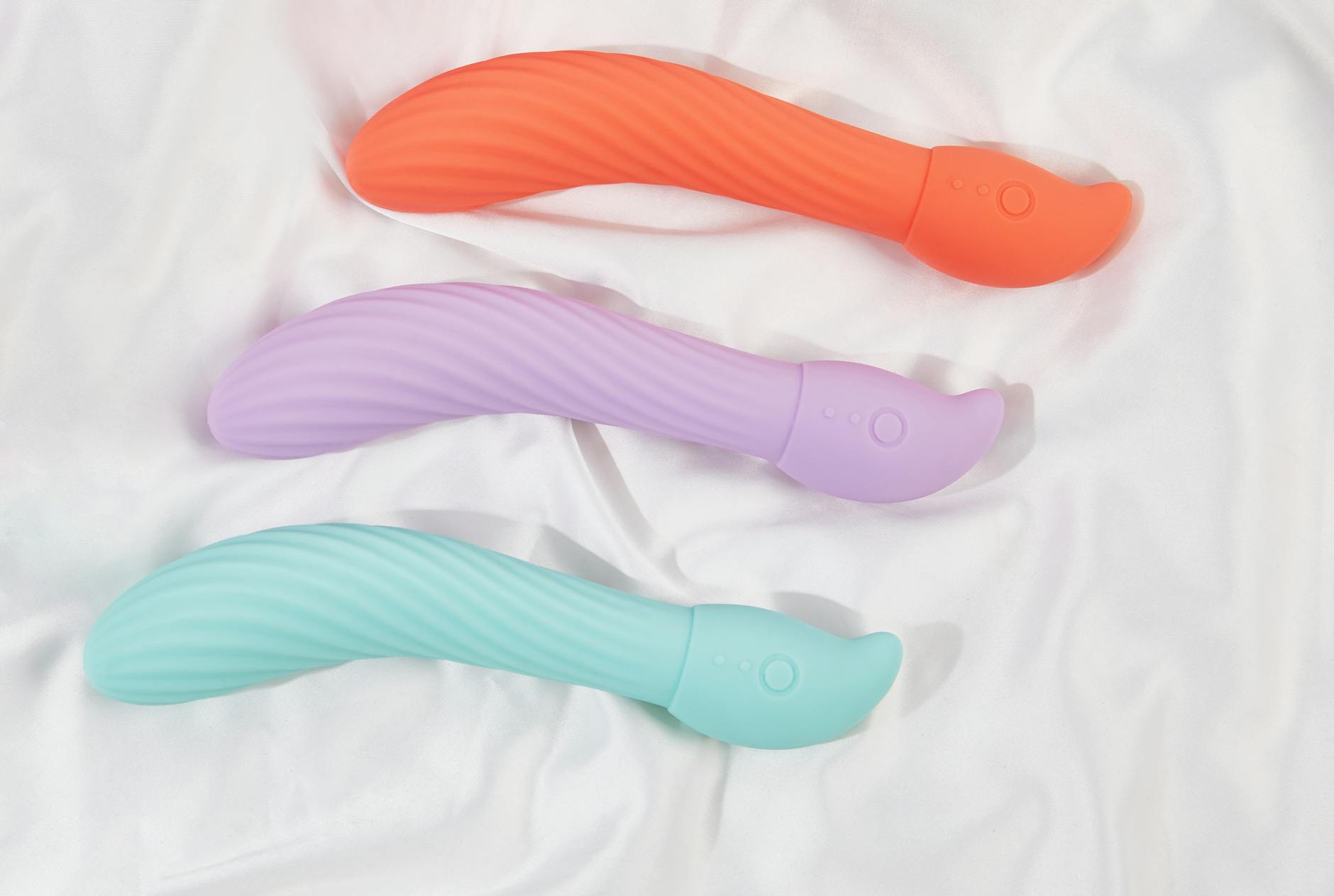
You want thickness. Viscous lubes feel luxurious, they stay put, and they don't dry out mid-session. But the lemon vibrator and other suction-based clitoral vibrators depend on a seal. Too much viscosity, and that seal fails. The toy can't create the pressure differential that makes suction work.
The suction mechanism works like this. The toy forms an airtight seal against your skin. When the motor activates, it creates a vacuum inside the chamber. That vacuum pulls tissue into the opening, which stimulates the clitoral nerves. The sensation is distinct from vibration because it's about pressure and release, not mechanical oscillation.
Thick lubes (silicone-based lubes, hybrid formulas, creamy water-based products) have higher viscosity. They're also stickier. When you apply a thick lube to skin, it creates a slick film that's harder for the toy to grab onto. The edges of the cup lose contact with skin. Air leaks in. Suction collapses.
This is why water-based lubes are the standard recommendation for suction toys. They're thinner. They don't compromise the seal. But thin lubes can feel watery or dry quickly. If you prefer thickness, you're not being picky. You're noticing something real.
Here's the sequence I recommend to almost every client using a lemon suction vibrator or similar clitoral vibrator:
Step one: apply thin lube directly to your skin. Use a standard water-based lubricant. Apply it just to the area where the cup will seal. You don't need much. A small amount, about the size of a pea, is enough. Spread it with your finger and let it sit for a few seconds. This creates the seal layer.
Step two: apply thick lube to the cup opening. This is the part most people get wrong. They think all the lube goes on the skin. Instead, apply your thicker, more luxurious lube to the silicone rim of the toy itself. This is comfort lube. It stays on the toy and slides along your skin during use, adding glide and sensation without compromising the initial seal.
Step three: create the seal. Turn off the toy and press the cup firmly against skin for 2-3 seconds. You'll feel it grip. Once sealed, activate the suction.
The result. You get the responsiveness of the thin base layer for suction. The thick lube adds glide and comfort without breaking the seal. Both experiences happen simultaneously.
Water-based lubes vary in thickness. Some are almost runny. Others are creamy. For the seal layer, aim for thin to medium. Brands like Uberlube, Pjur, and most standard water-based options work. The goal is something that doesn't cling to skin too heavily.
For the comfort layer (the lube on the toy), go thicker. Silicone-based lubes are ideal because they're slippery without being sticky. Hybrid formulas (silicone and water) also work. Some people use coconut oil, which is thick and long-lasting, though it does break down silicone toys over time if left in contact. Apply it to the cup rim, not the toy itself, and clean the toy shortly after use.
If you've layered properly and suction still isn't building, a few things might be happening.
First, check the seal area for hair, dead skin, or debris. Even tiny gaps let air in. A quick rinse and dry can fix this. Second, if your vulva is unusually lubricated naturally (which is great), you might have too much baseline moisture. In this case, the thick lube on top is actually adding redundant slip. Try applying thick lube only to the cup, skip the second layer on skin, and let your natural lubrication handle the base. Third, some suction toys are just finicky with certain lubes. If you've tried both layers with multiple lube brands and nothing holds, it might be worth testing the toy with water-based lube only. Sometimes the simplest approach is the right one.
One thing people don't expect: even with the right lube setup, suction toys work better when you use them intentionally. Don't activate maximum intensity immediately. Start at pattern 1 or 2. Let the seal lock in fully. Then gradually increase. If you blast straight into level 5, the pressure can push the rim away from skin just enough to break the seal.
Think of it like building arousal. The toy works best when you're giving it a moment to settle, to create sustained contact. You might find that the sensation actually deepens when you're patient with it. Rushing to high intensity often feels less intense, not more, because the seal isn't stable.
Here's something maintenance-focused but important. If you're using silicone-based lube or oils, don't store your lemon vibrator or other clitoral vibrator in a sealed bag immediately after use. Let the toy dry first. Silicone lube left to sit on silicone rubber will, over time, cause the material to break down or become sticky. Clean the toy with warm water and mild soap after each use, dry it thoroughly, then store it.
Water-based lubes are safer in this regard because they dry completely. But either way, drying the toy is good practice. It extends the lifespan and keeps performance consistent.
If you're using toys with a partner, the lube conversation is worth having aloud. Some people prefer thick lubes for comfort and feel. Others find them distracting. If you're both figuring out what works, trying the two-layer method is a natural way to say "I want thickness and sensation." It's a practical choice, not a compromise that leaves either of you less satisfied.
Many couples find that once they dial in lube layering, they unlock new sensations together. The toy performs better. Pleasure deepens. And you've both learned something about what your bodies actually need.
Not directly on the seal area. Silicone lube on skin breaks suction. But applying it to the cup rim (the outer silicone) is fine and actually enhances glide. Just clean the toy afterward to prevent buildup.
The layering method still works, but timing shifts. Apply numbing product first. Let it set for the time the package recommends (usually 5-10 minutes). Then apply thin water-based lube to create the seal, followed by your thick lube on the cup. The numbing sits underneath, the thin lube seals, and the thick lube glides. This is why understanding the order is crucial. You're stacking sensations and products in a specific sequence so each one does its job.
Less than you think. For the seal layer, a pea-sized amount. For the comfort layer on the cup, a small amount along the silicone rim. Too much lube everywhere defeats the purpose. The thin layer works because it's minimal. The thick layer works because it's placed precisely, not slathered.
Yes. Cold lubes are thicker. Warm lubes are thinner. If you're using a silicone-based lube that feels too sticky, warming it slightly (by rubbing the bottle between your hands) can help it spread more easily. Conversely, if a water-based lube feels too thin, a few minutes in the refrigerator can thicken it, though this is rarely necessary.
They exist, and some are good. Most are just thin water-based formulas marketed smartly. They'll work for the seal layer. But they're not magic. The two-layer method with standard lubes achieves the same result for less money.
Yes, as long as you're mixing water-based with water-based or silicone with silicone. Never mix water-based and silicone because they don't blend. They separate, which actually works against you because you lose both the thin-seal benefit and the thick-comfort benefit. Stick to one base type.
Thick lube and suction don't have to be enemies. They just need a framework. The thin seal layer plus the thick comfort layer isn't a workaround. It's the way lemon vibrators and other suction-based clitoral vibrators actually perform best. Once you nail the sequence, you get everything. Thickness. Sensation. Stability. And a much clearer understanding of how your body responds to different kinds of touch.
Ready to try it? Grab a water-based lube for the seal layer and a silicone lube or hybrid for the rim, and test the method. Your next session will tell you everything you need to know.