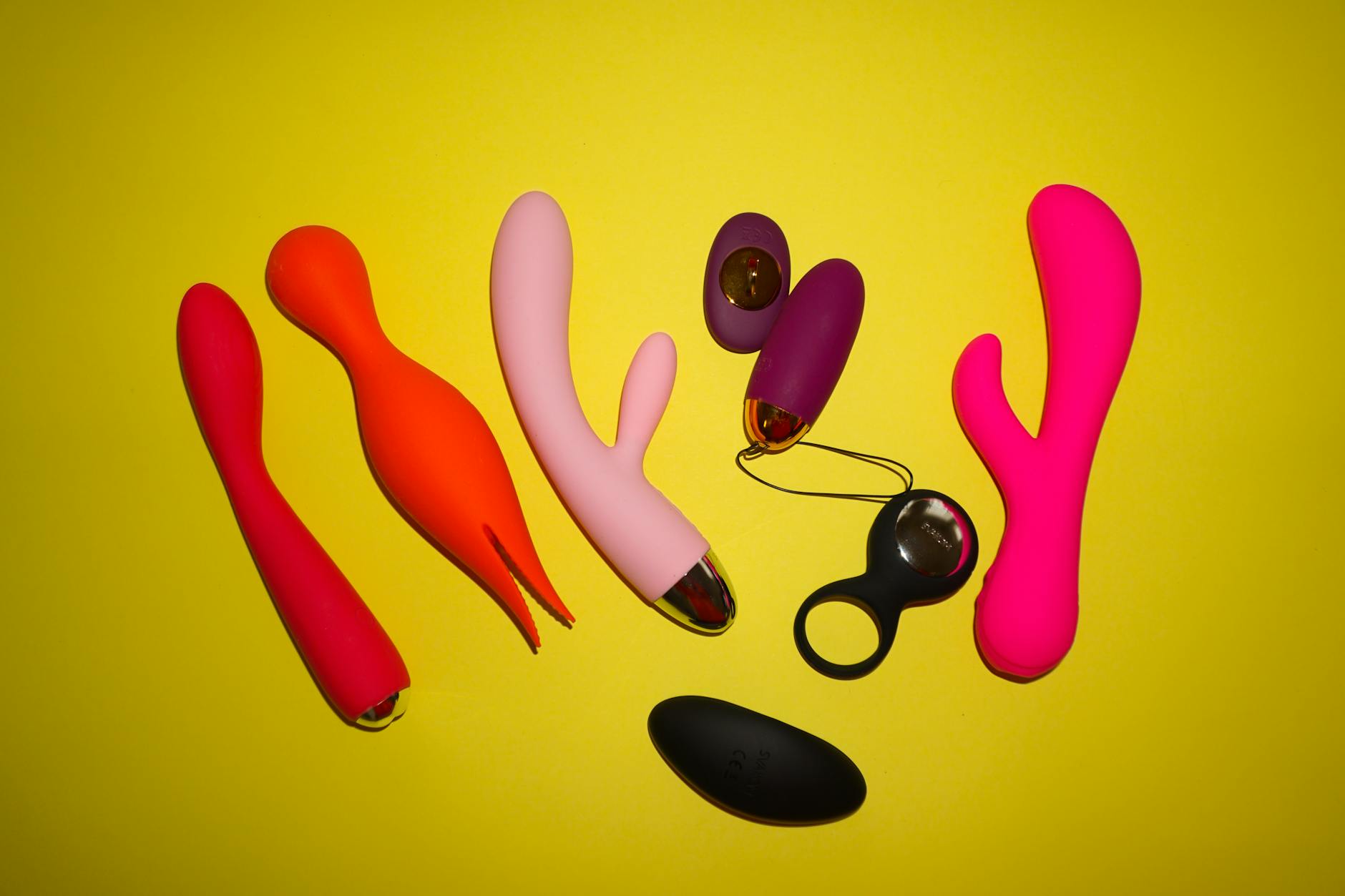
Here's the thing about vibrators and long-term partners
You're not asking for permission. You're not proposing something weird or a sign that something's wrong. You're literally asking to add a tool that might make sex better for both of you. That framing changes everything.
The reason this conversation feels loaded is because we're trained to think of vibrators as either a solo thing or a last resort when a relationship is failing. Neither is true. Couples who talk openly about pleasure, introduce new tools, and experiment together report higher satisfaction and lower resentment. It's not a Band-Aid. It's maintenance.
Why the timing of the conversation matters more than the words
Don't bring this up mid-argument, during a rough patch, or right before sex when emotions are already running high. You want a moment when you're both relaxed, clothed, and there's zero pressure to respond immediately.
The best openings are casual and contextual. Maybe you read something interesting. Maybe a friend mentioned it. Maybe you noticed you're touching yourself more during sex and want to explore that together. Any of these is an honest entry point.
Avoid bringing it up when you're frustrated about your sex life. That puts your partner on the defensive immediately. Instead, frame it as curiosity or wanting to deepen what you already have.
The exact words you can use
Start with genuine interest in their perspective, not a sales pitch.
"I've been reading about clitoral vibrators like lemon vibrators, and I'm curious what you think about trying one together. I'm interested because [insert actual reason: it might help me orgasm more consistently, I think it could feel good for both of us, I want to experiment more together]." That's it.
If they seem hesitant, don't push. Ask what their concern is. Is it about performance? About feeling inadequate? About it being "too much"? Different worries need different responses.
If the concern is "I don't want you to need a toy instead of me," you can say: "It's not instead. It's in addition. Think of it like how a massage chair doesn't replace me touching you, but it feels different and I enjoy both." That comparison lands for most people.
If the concern is practical (nervous about how to use it, worried about mess, concerned about noise), those are solvable problems and usually signal openness.
What to do if they say no right away
Don't argue. Don't push. Ask them to sit with it and circle back in a week. Many people react defensively at first, then think about it and come around.
There's also a good chance they'll worry less once they see the device itself. A lemon clitoral vibrator doesn't look clinical or intimidating. It's elegant and straightforward. Some partners are more comfortable once they can hold it and ask questions.
If they're a flat-out no after thinking about it, you have a choice. You can respect the boundary, or you can have a deeper conversation about why pleasure innovation feels threatening to them. Sometimes this points to bigger intimacy issues worth unpacking together, ideally with a therapist.
How to move from conversation to action
Once they're interested, don't make it a big deal. Order it together, or order it and show them when it arrives. Let them handle it, inspect it, ask questions. Normalize it by not being weird about it.
Talk about how you want to use it. Do you want to try it solo first and report back? Do you want to use it together next time you have sex? Do you want him or her to control it? These conversations might feel clinical, but they're actually incredibly intimate because you're being explicit about what you want.
Decide on a signal for "not tonight" without making it complicated. You don't need a whole system. Just agreement that either of you can say "maybe next time" and that's fine.
The psychological shift that happens when you name it
Here's what I see in my practice: once couples talk about tools openly, they start talking about pleasure more openly in general. You'll probably ask more questions during sex. You'll probably notice what actually feels good versus what you think you're supposed to enjoy. You'll probably discover you want different things than you assumed.
That's not a breakdown. That's an upgrade.
Lemon vibrators work particularly well for this because they're intuitive and they're not about endless variable settings. You're both focused on sensation, not on menu-scrolling. That keeps the focus on connection.
What if you've been using toys and haven't told them
If you've been using lemon vibrators or any toys solo and your partner doesn't know, bringing it up is about honesty, not guilt. You can say: "I want to be transparent about something. I've been using a vibrator on my own, and I really like it. I'd love to explore whether that might feel good together too."
That's vulnerable and honest. It also removes secrecy, which often feels worse to partners than the actual toy does.
Why this conversation is actually a win
When you can talk about sex toys, you can usually talk about sex. When you can ask for what you want with a vibrator, asking for other things gets easier. It's not just about pleasure. It's about building a relationship where you both know that wanting something doesn't make you needy, weird, or unfaithful.
Your partner might surprise you. They might have been curious too. They might suggest variations you hadn't thought of. They might feel relieved that you care enough about your shared pleasure to think about this.
And if nothing else, you've had the hardest part of the conversation. The rest is just trying something new together.
Frequently Asked Questions
Will introducing a vibrator make my partner feel inadequate?
Only if you frame it that way. A vibrator isn't a judgment on your partner's abilities. It's a different sensation. Your partner's hands, mouth, and body do things a toy can't. The lemon clitoral vibrator does what it does. Most people who work through the initial insecurity realize it's actually an opportunity to participate in something together rather than a threat.
Is there a best time in the relationship to bring this up?
Earlier is usually better. Couples who talk about pleasure and tools from the beginning have fewer barriers. That said, you can absolutely introduce this conversation at any relationship stage. The key is doing it when you're both secure and connected, not during conflict.
What if my partner wants to try it immediately but I'm nervous?
Say so. "I'm excited but also a little nervous, so I might want to go slow." Your partner probably has nerves too. Naming it out loud takes pressure off both of you to perform. You're exploring together, not performing for an audience.
Can I use a lemon vibrator if I'm on hormonal birth control?
Yes, completely. Vibrators don't interact with hormonal contraception. That said, birth control does affect sensitivity and arousal for some people. If you notice changes in how you respond to stimulation, a vibrator can help you find what still works for your body at that moment.
What if my partner wants to use it on me but I'd rather use it myself?
Tell them. You might want to use it solo first to figure out what settings and pressure you like, then teach them. Some people love partnered use. Others want autonomy over their own pleasure. Both are completely valid. You get to decide.
How do I know if the conversation went well?
Your partner asks questions. They handle the device without defensiveness. They suggest trying it. Even if they say "maybe later," you feel heard rather than shut down. A good conversation leaves you closer, not further apart, even if you're not using anything new.
The bottom line
Bringing up lemon vibrators or any clitoral vibrators with your partner is just communication. It's not radical. It's not a sign of a broken relationship. It's actually one of the strongest signs of a healthy one. You're saying: I care about my pleasure. I want to share that with you. I trust you with this.
That's worth the awkward conversation. And honestly, it's probably less awkward than you think.