
Here's the thing nobody tells you about diabetes and pleasure
High blood sugar isn't just about energy crashes and thirst. It damages the tiny nerve endings that carry sensation to your clitoris. This happens quietly, often before your A1C reveals the problem, which means you might feel less responsive during sex without understanding why. You're not broken. Your nervous system is literally working with reduced bandwidth.
The good news: this is reversible, manageable, and understanding the mechanism changes everything about how you approach pleasure again. I'm going to walk you through what's happening, why lemon vibrators work so differently for diabetic bodies, and what actually restores sensation.
What high blood sugar does to nerve sensation
Nerve damage from consistently elevated blood sugar is called diabetic neuropathy. It starts in your extremities (fingers, toes, feet) but also affects the pudendal nerve, which supplies sensation to your genitals. Chronic hyperglycemia thickens the blood vessel walls around nerves, reducing oxygen and nutrient delivery. The nerve fibers themselves become inflamed and gradually lose their capacity to transmit signals.
What you feel during sex changes in predictable ways:
- Delayed arousal. Where you'd normally feel a response in 5-10 minutes, it now takes 20-30. This isn't loss of desire. It's reduced signal velocity.
- Muted sensation. Touch feels distant or less defined, as if there's a thin layer between sensation and your awareness of it.
- Reduced orgasm intensity. The response is there, but it doesn't peak as sharply.
- Inconsistency. Some days feel almost normal. Other days, nothing registers.
The inconsistency is actually diagnostic. It tells you blood sugar control is fluctuating. When people with diabetes tighten their glucose management, sensation often returns within weeks.
Why traditional vibrators stop working
Standard buzzing vibrators rely on the rapid-fire signal transmission that damaged nerves can't process reliably. If your nerve endings are already understimulated, adding more of the same vibration doesn't compensate. It's like trying to hear a whisper by increasing the volume of white noise. The signal-to-noise ratio gets worse, not better.
Here's where lemon clitoral vibrators change the game. Rather than rapid oscillation, they use air-suction technology that creates gentle, sustained pressure patterns. This mechanism doesn't depend on damaged nerves firing quickly. Instead, it stimulates through broader tissue engagement and changes in pressure, which activates different neural pathways. Think of it as routing around the damaged highway by taking a different road to the same destination.
How lemon vibrators work with nerve-damaged tissue
Air-suction stimulation activates both surface nerve endings and deeper tissue mechanoreceptors simultaneously. This multi-layer activation is especially valuable when some nerve endings are compromised. You're not waiting for individual fibers to signal. You're creating a broader field of stimulation that your nervous system can register even with reduced sensitivity.
For people managing diabetes, this means:
Faster response time. Because the suction creates pressure waves rather than rapid vibrations, your body can register stimulation even when signal transmission is slow. Many clients report arousal building within 10-15 minutes rather than 30.
Clearer sensation. The sustained pressure of air suction creates a more defined signal. Instead of feeling vague buzzing, people describe it as specific, localized, and legible.
Consistency. Suction-based stimulation is less dependent on individual nerve fiber health. On days when your glucose is higher, you still feel something distinct. This reliability rebuilds confidence.
Deeper orgasms. The multi-layer activation often produces more intense release, partly because you're engaging mechanoreceptors deeper in the tissue, not just surface nerve endings.
The blood sugar connection nobody talks about
Here's what changed my understanding of this: I had a client whose sensitivity returned dramatically after three months of improved glucose control. Not 100 percent, but enough that she felt like herself again. This told me the nerve damage was functional, not structural, which meant it was responsive to intervention.
If your A1C is above 7 percent and your sensation is muted, glucose management is not a secondary concern. It's primary. Work with your endocrinologist. Get your levels stable. Then add lemon clitoral vibrators as a tool that meets your nervous system where it actually is.
Some people ask: should I wait until my blood sugar is perfect? No. Pleasure matters now. You deserve sensation now. Using a tool designed for your current nervous system state is not settling. It's intelligent.
Practical strategies that work
Four things I recommend to almost every person managing diabetes-related sensitivity loss:
Warm up longer than you think you need. Your nervous system is processing more slowly. Give it time. Spend 15-20 minutes on foreplay, even if you normally needed less. This isn't just nice. It's necessary.
Start on lower suction settings. The lem vibrator has multiple intensity levels. Begin at pattern 1 or 2 and spend several sessions there. Your body will recalibrate to this new stimulus before you increase intensity. Patience here prevents frustration later.
Use water-based lube. Diabetes can affect vaginal moisture. A good water-based lubricant creates the pressure seal that air suction needs to work optimally. It's not a workaround. It's engineering.
Track patterns. Notice if your sensitivity shifts with your glucose readings or your menstrual cycle (if applicable). Some people find sensation is clearer in the morning when fasting glucose is stable. Others notice peaks mid-cycle. Awareness turns random variation into useful data.
When sensitivity is about more than blood sugar
Diabetes often coexists with other nerve-affecting conditions. Thyroid dysfunction, vitamin B12 deficiency, and certain medications also reduce sensation. If you're doing everything right with glucose control and sensation still isn't returning after three months, see a neurologist. Not because something is wrong with you, but because neuropathy has other causes that might be easier to address.
Similarly, if you're taking antidepressants or blood pressure medications, those can dampen sensation independently of blood sugar. That's a separate conversation with your prescriber, but it's worth having.
The permission part
A lot of people manage diabetes and feel like their body has become a problem. High blood sugar, medication schedules, glucose monitoring, complications you're trying to prevent. Pleasure starts feeling like another thing you're broken at.
You're not. Your nervous system is adapting to changed conditions. That's not failure. That's flexibility. Lemon vibrators aren't a band-aid on a broken system. They're tools that acknowledge your body as it actually is right now and meet you there with intelligence. Using them isn't giving up on restoration. It's honoring the timeline of restoration while staying connected to pleasure in the meantime.
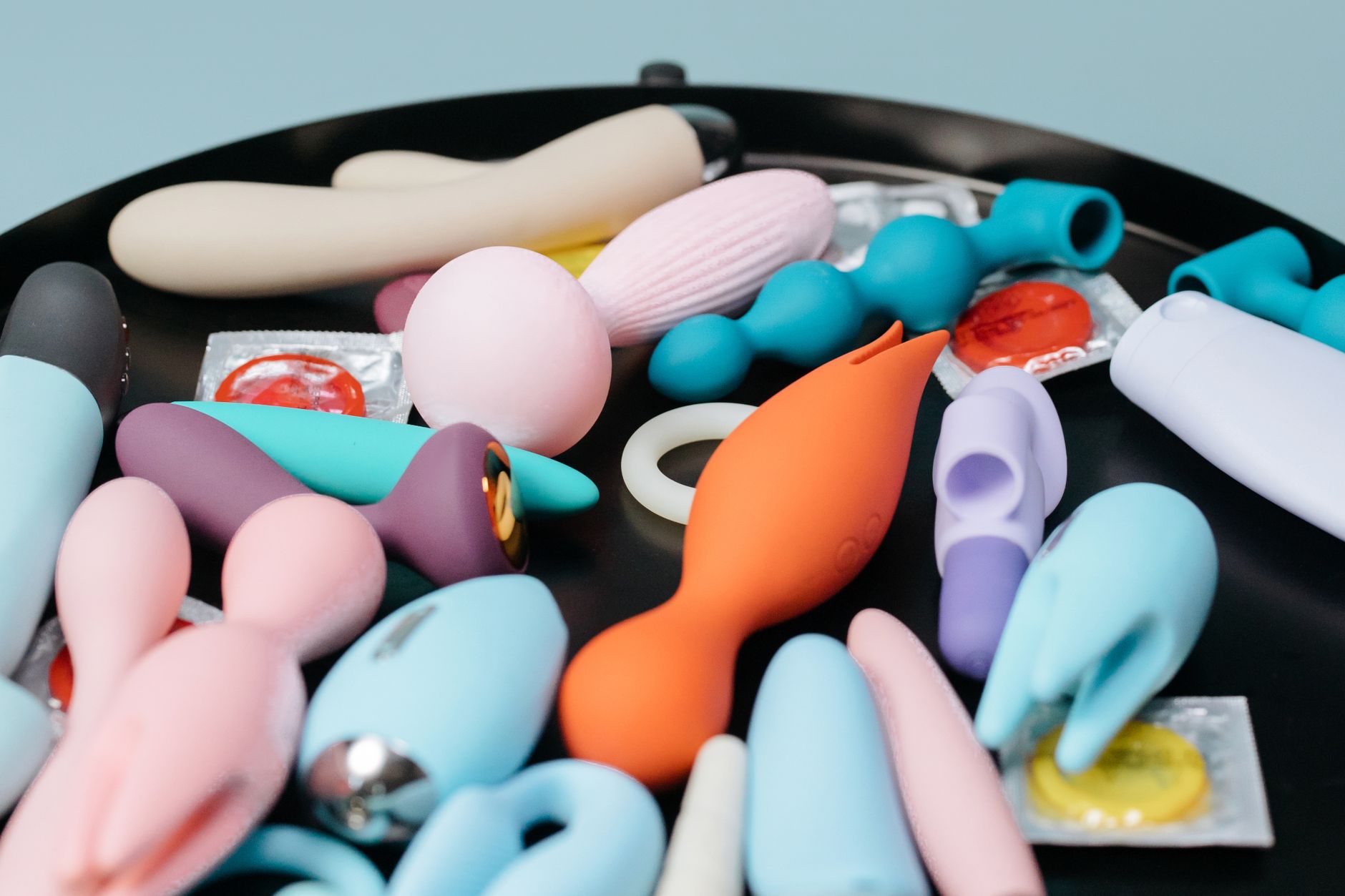
Photo by cottonbro studio on Pexels
Frequently asked questions
How long does it take for sensation to return after improving blood sugar control?
Nerve regeneration typically takes 8-12 weeks if glucose control is consistently good. Some people notice small improvements within 3-4 weeks. The key is consistent management, not perfect numbers. A1C drops gradually, and sensation follows. If you're not noticing any change after three months of stable glucose control, talk to your doctor. You might need additional interventions like alpha-lipoic acid or pregabalin, which some neurologists prescribe to support nerve recovery.
Can lemon vibrators actually help restore sensation or just mask the problem?
They do both, and both matter. In the immediate term, they create stimulation your nervous system can register, which means you feel pleasure now rather than waiting for full recovery. Over time, consistent stimulation paired with improved glucose control actually helps rebuild neural pathways. The nerves respond to engagement. You're not masking the problem. You're meeting your body's current state while healing happens underneath.
Is my diabetes-related sensitivity loss permanent?
Not necessarily. If you have functional neuropathy (nerve damage from high blood sugar that hasn't yet caused structural changes), it's very reversible with good glucose control. If the damage is more advanced, you may not return to exactly your baseline, but significant improvement is usually possible. The sooner you address blood sugar, the better your prognosis. This is one of the clearest cause-and-effect relationships in sexual health.
Will using a lemon vibrator interfere with my diabetes management?
No. There's no contraindication. What matters is the glucose control itself. Some people find that consistent pleasure and reduced stress actually helps their body regulate blood sugar better. Chronic stress raises cortisol, which makes glucose control harder. Pleasure is a stress reducer. So paradoxically, prioritizing intimacy might be quietly helping your A1C.
What if nothing helps restore my sensitivity?
If three months of stable glucose control produces no improvement, ask your doctor about neuropathic pain medication like pregabalin or gabapentin. These aren't just for pain. They can improve sensation recovery when prescribed for neuropathy. Also consider whether other medications you're taking might be contributing. Some blood pressure drugs, certain antidepressants, and some birth control methods reduce sensation. A medication review with your doctor might reveal a simple adjustment that helps significantly.
Should I tell my partner about how my diabetes affects my pleasure?
Absolutely. The conversation matters more than you think. Most partners don't understand that nerve damage causes delayed arousal or muted sensation. If you're not communicating this, they might interpret slower response as lack of desire, which builds frustration on both sides. A simple sentence like "My body is processing sensation more slowly right now because of blood sugar changes. Longer warm-up actually helps" changes the whole dynamic. Your partner gets to participate in your restoration instead of accidentally hindering it.
What actually moves the needle
The restoration of pleasure after diabetes-related sensitivity loss isn't a single intervention. It's glucose control plus appropriate tools plus patience plus communication. Lemon vibrators are one intelligent piece of that puzzle, especially lemon clitoral vibrators designed for muted sensation. They work with your nervous system's current reality rather than demanding it function as it did before.
Your pleasure matters. Not someday when your blood sugar is perfect. Now. Using tools designed for where you are right now is not settling. It's tending to yourself with the same intelligence you bring to the rest of your health management. Start there, and let restoration follow.