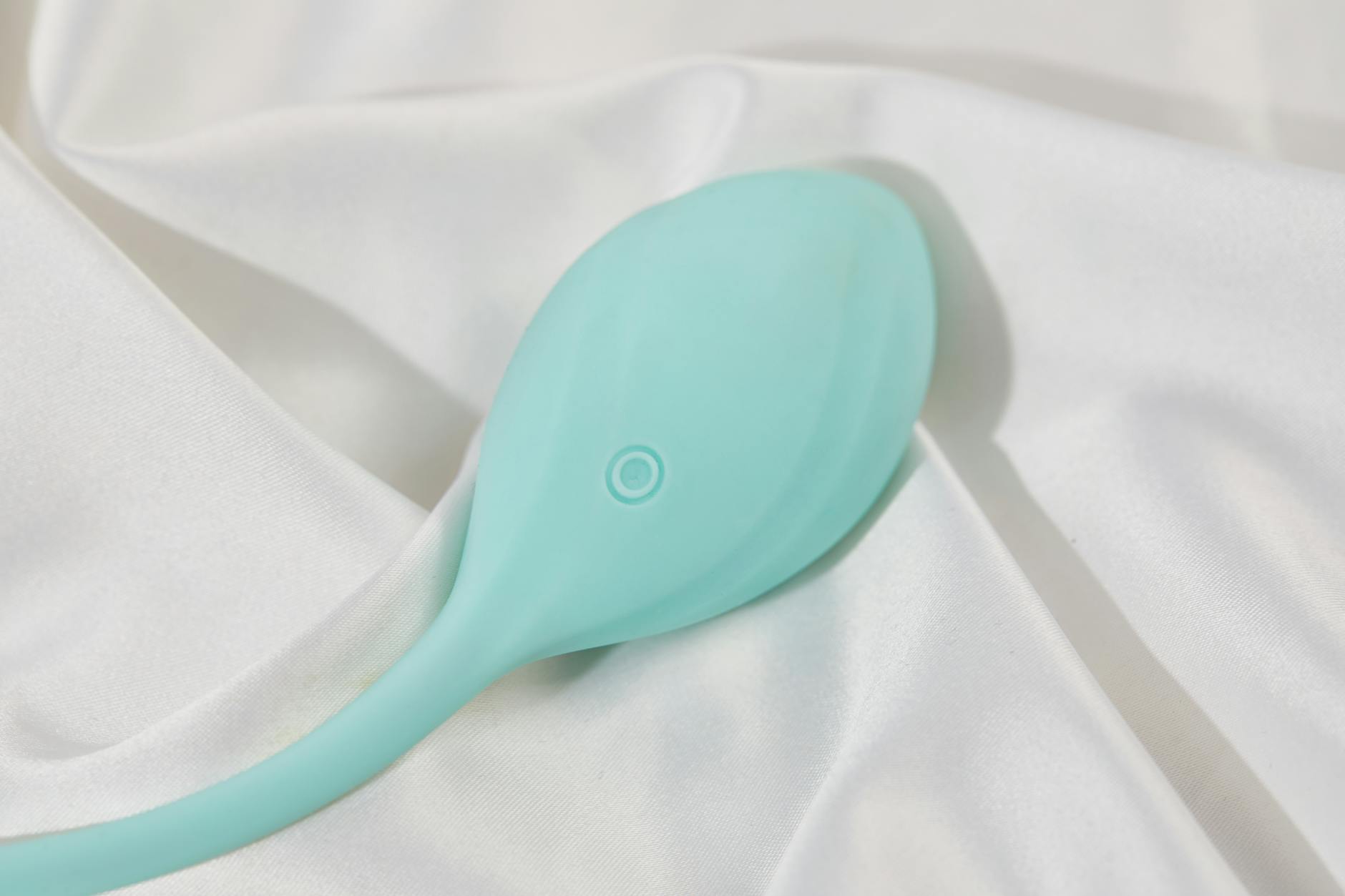
Let's talk about the sex problem nobody mentions
Antidepressants save lives. They also frequently tank libido, flatten arousal, and make orgasm feel like chasing a ghost you can't quite touch. Most people on SSRIs or SNRIs know this happens, but almost nobody talks about practical solutions that don't involve quitting the medication that keeps them mentally stable.
Here's the thing: your sensitivity isn't broken. Your nervous system is being dampened by a medication that works on serotonin. That's a solvable problem, and lemon vibrators are often the most direct answer.
How antidepressants actually change sensation
SSRIs (selective serotonin reuptake inhibitors) and SNRIs (serotonin-norepinephrine reuptake inhibitors) work by altering how your brain processes certain neurotransmitters. That same mechanism that lifts depression also blunts the nervous system's ability to register sensation, particularly in sensitive areas. It's not psychological. It's biochemical.
Your clitoris still has the same nerve density. Your capacity for arousal is still there. But the signal traveling from sensation to pleasure gets muted, like someone turned down the volume on your entire sensory system. This is why many people on these medications describe sex as "feeling numb" or "like it's happening to someone else."
The secondary effect is often anorgasmia or delayed orgasm. You might feel aroused, even intensely aroused, but crossing the finish line becomes exhausting or impossible. Some people stop trying.
Why lemon vibrators work better than traditional ones
Traditional vibrators rely on rapid oscillation to stimulate nerves. When your nervous system is already dampened, standard vibration often isn't strong enough to cut through the numbness. You end up chasing sensation, turning up the intensity, and still feeling disconnected.
Lemon clitoral vibrators use suction technology instead. This creates a gentle pulling sensation that works through a different neurological pathway than vibration alone. Suction stimulates deeper nerve clusters in the clitoral complex, bypassing some of the surface-level dampening that antidepressants cause.
The result: people on antidepressants often report that a lemon sucker like the Lem works when traditional vibrators didn't. The sensation feels more present, more grounded, more real.
The mechanics of why suction bypasses numbness
Think of it this way. Vibration is like someone tapping your shoulder repeatedly. Suction is like someone gently pulling your skin. Your nervous system registers these through different receptor types. Mechanoreceptors respond to vibration. Proprioceptors and deeper pressure sensors respond to suction and pulling.
When your nervous system is on high-dose SSRIs or SNRIs, the dampening effect is uneven. The deeper, pressure-based receptors often remain more responsive than the surface vibration sensors. A lem vibrator's suction action reaches those deeper receptors more effectively than a traditional vibrator can.
Anecdotally, this is why so many people say, "I didn't think I could orgasm anymore, and then I tried a lemon vibrator and suddenly I could." It's not magic. It's neurology.
Building a pleasure practice around medication
Here's what I recommend to people dealing with antidepressant-related numbness.
Start with patience, not pressure. Many people on these medications develop performance anxiety on top of the physiological challenge. You're already fighting the medication. Don't add the expectation that you should come quickly. Budget 30 to 45 minutes. Remove the goal of orgasm and replace it with the goal of sensation. Can you feel anything more vividly?
Warm up longer than you think necessary. Numbness is worst when you're cold or tense. Spend 15 to 20 minutes on foreplay, breathing, or just touching yourself non-genitally. Get your nervous system actually online before you introduce a toy.
Use a lemon vibrator on patterns 1 through 3, then work up. Don't start at maximum intensity. Start low and let your nervous system build gradually. Many people find that lemon clitoral vibrators feel almost too intense at first, then suddenly feel perfect once your body adjusts. This is normal.
Combine suction with other sensations. Lemon vibrators work best alongside lubrication, partner touch, or even just a change of position. Antidepressant-related numbness responds well to layered sensation. One input might not be enough. Three things at once often clicks.
When to talk to your prescriber
If you're on an antidepressant and your sexual function has tanked, tell your doctor. I know that feels vulnerable. Do it anyway. There are options.
Some prescribers will adjust your dose or timing. Taking your SSRI at night instead of morning, or taking a drug holiday on weekends, occasionally helps. Some will switch you to a different class of antidepressant. Bupropion (Wellbutrin), for example, has less sexual side effect profile than SSRIs.
Others might prescribe an add-on like buspirone or sildenafil specifically to counteract sexual dysfunction. These aren't perfect solutions, but they're worth asking about.
The point: don't assume you have to choose between your mental health and your sex life. Often there's a middle path.
How partners can help
If you're with someone on antidepressants, know that slowness isn't disinterest. Numbness isn't rejection. They're fighting a medication side effect, and the pressure to "perform" makes it worse.
Here's what actually helps: novelty, patience, and zero expectation of a specific outcome. Introducing a lemon vibrator together, exploring it without a target in mind, can transform the experience from "Will this work?" to "What does this feel like?" That shift alone often unlocks sensation that seemed lost.
Building sensation back after numbness
One thing I've noticed clinically: people who've been numb for a while often need to rebuild their understanding of their own body. Your clitoris didn't lose sensation permanently. But your brain might have stopped paying attention to the subtle inputs that are getting through.
Start with activities that don't require an outcome. Use a lem vibrator for 10 minutes without trying to orgasm. Just observe. What patterns feel like more than others? Where on your clitoris is sensation strongest? What pattern at what intensity makes you say "oh, I can feel that"?
This reconnaissance phase often lasts weeks. That's okay. You're not broken. You're recalibrating.
The timeline for improvement
If you've just switched to an antidepressant, sexual side effects often peak around week two to four, then sometimes improve modestly by week eight or twelve. If you're already six months in and still numb, it's likely a persistent side effect, not something that will spontaneously resolve.
Using a lemon clitoral vibrator during this period can help in two ways. It gives you a tool that actually works despite the numbness, so you don't lose access to pleasure entirely. And regular stimulation, interestingly, sometimes helps your nervous system stay engaged even under medication dampening.
FAQ
Can I use a lemon vibrator safely while on antidepressants?
Absolutely. Lemon vibrators are just as safe as any sex toy. They won't interact with your medication, won't change how your antidepressant works, and might actually help you stay connected to pleasure while you're adjusting to the medication. If you have any concerns about nerve damage or vascular issues, check with your doctor, but generally there's zero conflict.
How long does it take for a lemon vibrator to make a difference?
Most people notice something on the first try if they're using the right pattern and intensity. The real change happens over weeks of use, as your nervous system learns to respond to the suction sensation. Some people need a month before they can achieve orgasm, but sensation usually improves within the first few sessions.
Should I tell my prescriber I'm using a sex toy to help with antidepressant side effects?
You don't have to, but you should tell them that sexual sensation has decreased and ask about options. Whether you mention a specific tool is between you and your comfort level. What matters is that your prescriber knows the side effect is affecting your quality of life and that you're looking for solutions.
Can I combine a lemon vibrator with other treatments for antidepressant sexual dysfunction?
Yes. If your prescriber prescribes something like buspiron or sildenafil as an add-on, a lemon vibrator is a great complement. The medication helps with blood flow and arousal, and the vibrator helps with sensation. Together they often work better than either alone.
What if a lemon vibrator doesn't help?
Then you have more information. Your numbness might be severe enough that you need a medication adjustment or add-on therapy. Or you might find that a different approach works better for you. But most people on antidepressants find that suction-based stimulation gives them more sensation than vibration-only toys, so if the lem doesn't click, you've still learned something useful.
Is antidepressant-related numbness permanent?
Not always. Some people's sexual function bounces back if they stop the medication (under medical supervision). Others adjust over months or years. Many find a medication or dosage that works for their mental health without tanking their sex life. The point: it's not a life sentence. It's a challenge to problem-solve with your prescriber and your own body.
You don't have to choose
Mental health medication is non-negotiable for people who need it. Your sex life matters too. These aren't opposing values. A lemon vibrator and honest conversation with your prescriber can get you to a place where you have both stable mental health and access to pleasure. That's the goal, and it's absolutely achievable.