
Let's start with what actually happens after a breakup
Your nervous system doesn't just grieve a person. It grieves the rhythm, the touch, the predictable way another body showed up for yours. That's not sentimental. That's neurobiology. When someone leaves, the parts of your brain wired for touch, anticipation, and safety get quiet. Pleasure doesn't disappear—it goes dormant.
Many of my clients tell me that after a breakup, solo pleasure feels either impossible or guilty. Touching themselves feels like moving backward instead of forward. Or it triggers memories they're not ready for. That disconnect is real, and it's worth taking seriously.
Here's what changes when you introduce a lemon vibrator into that recovering space.
Why your nervous system needs something different right now
After you break up, your body still expects a partner's rhythm. It's waiting for familiar pressure in familiar places. When you try to pleasure yourself the way you did before, you're sitting with absence instead of presence. That's heavy work.
Clitoral suction tools like lemon vibrators work differently than traditional vibration because they create a sensation that's entirely new to your nervous system. You're not comparing it to anything. You're not waiting for it to feel like something else. The suction pattern is distinct enough that it bypasses the "but my ex used to..." loop in your brain.
This matters more than it sounds. Your nervous system is in a heightened state after a breakup. It's detecting threat (loss, change, uncertainty). When you introduce a sensation that's novel and pleasant but not tied to old patterns, you're teaching your body that good things can exist outside that relationship. That's the actual healing work.
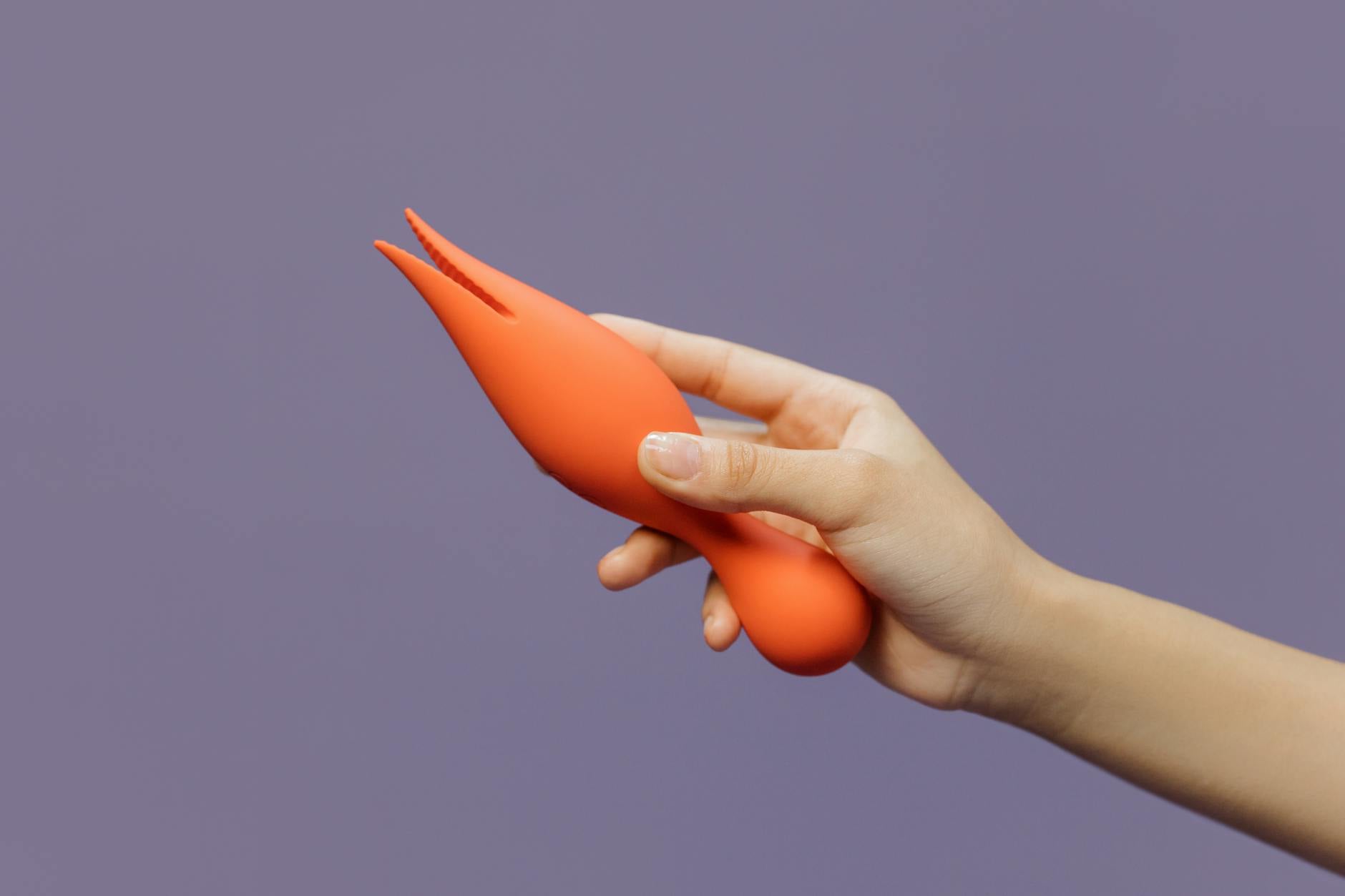
Photo by cottonbro studio on Pexels
The difference between sensation and emotion
Many people confuse pleasure with intimacy after a breakup. They think that if they can't have the emotional connection, pleasure is off-limits. That's the grief talking, not logic.
Pleasure is a physical response. Intimacy is relational. You can absolutely have one without the other. A lemon vibrator gives you pure sensation—no negotiation, no emotional labor, no one else's timing or agenda. For the first time since the breakup, pleasure becomes entirely yours.
This reclamation is not frivolous. It's part of reorganizing your identity. You're learning what your body likes independent of someone else's preferences. You're building a relationship with your own pleasure that doesn't require validation or reciprocation.
When to start, and how to know you're ready
There's no timeline. Some people are ready weeks after a breakup. Others need months. The signal isn't time—it's curiosity.
If touching yourself makes you feel sad or angry, that's information. You're not ready yet, and that's fine. Keep processing. If you feel a quiet curiosity about what your body might enjoy, that's the green light.
When you do start, approach it without expectations. You don't have to orgasm. You don't have to feel amazing. You're just exploring sensation in a low-stakes environment. Many of my clients report that their first few sessions with a lemon vibrator feel more like discovery than pleasure. That's exactly right. You're rebuilding the map.
Starting with a clitoral suction tool when you're sensitive
After a breakup, your entire body is in a heightened emotional state. That can make you feel oversensitive to touch. A light hug might feel too much. This translates to physical sensation too.
With a lemon vibrator, you control everything. Start at the lowest setting. Spend time just noticing how the suction feels without the pressure to do anything with it. You might use it for five minutes and stop. That's not failure. That's listening.
The beauty of suction is that it distributes pressure differently than vibration. It's gentler on sensitive tissue and creates a sustained sensation rather than rapid buzzing. For someone whose nervous system is already overwhelmed, that gentleness is the whole point.
Rebuilding confidence in your own body
Breakups often leave a particular kind of doubt: "What if they couldn't find me attractive? What if my body isn't what someone wants?" That narrative is powerful and corrosive.
When you spend time exploring your own pleasure with a lemon vibrator, you're gathering evidence against that story. Your body doesn't need someone else's approval to have nerve endings. Your clitoris doesn't care about your ex's opinion. Every orgasm is proof that your body is capable and worthy exactly as it is.
This isn't about ego. It's about recalibrating what your body means to you. You've spent time seeing it through someone else's gaze. Now you get to see it as a source of your own pleasure, your own power, your own evidence of being alive.
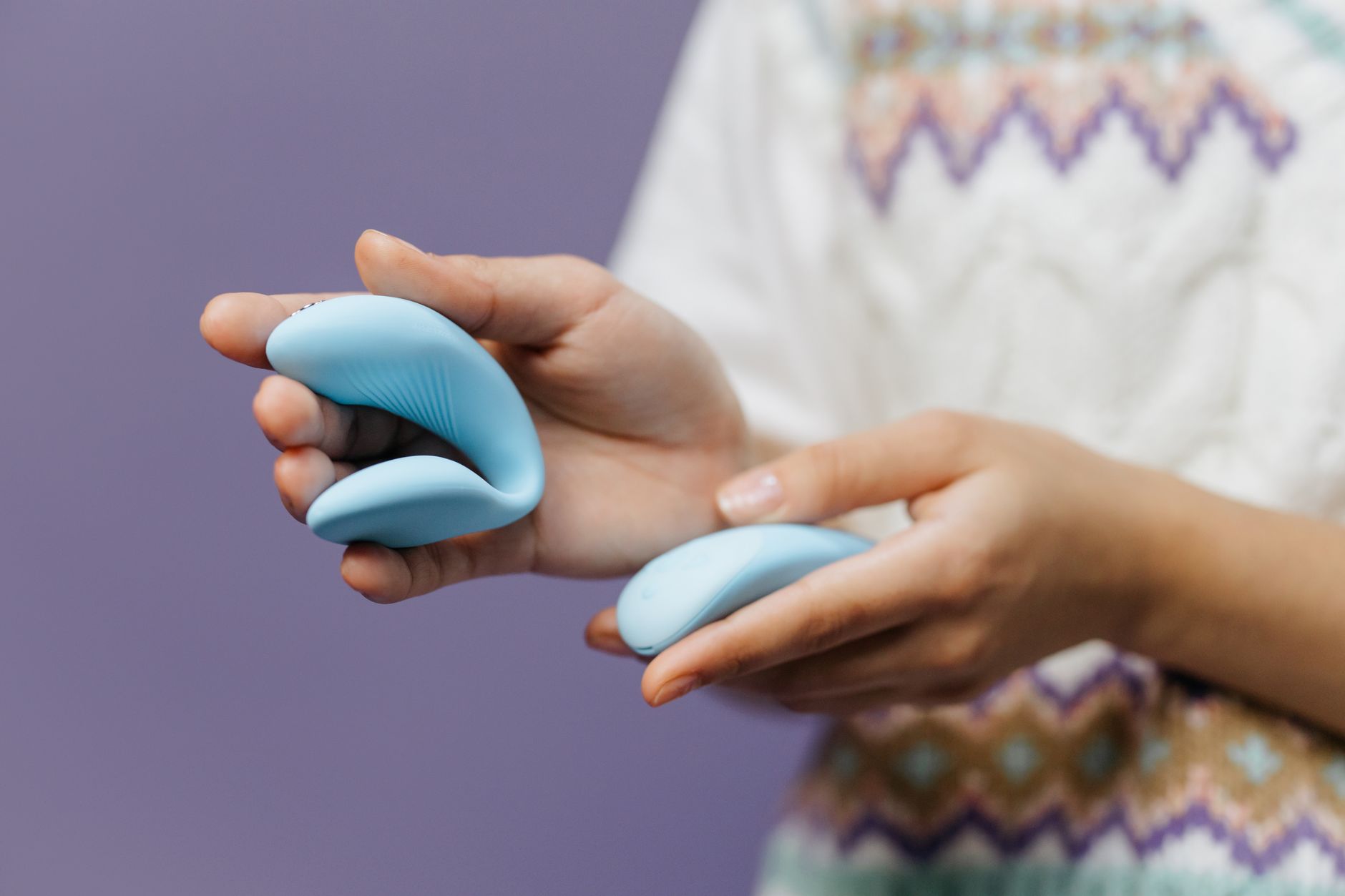
Photo by cottonbro studio on Pexels
When it's okay to bring a partner back in
If you're rebuilding after a breakup, the question of whether and when to have sex again matters. Some people jump back in quickly. Others need a longer pause. Both are valid.
The value of solo work with a lemon vibrator is that it becomes a reference point. You know what feels good to your own body. You've learned what kind of touch and rhythm works for you. When you do bring a partner into that space, you can actually communicate your pleasure instead of guessing. That's the opposite of the post-breakup pattern where you're often trying to figure out what the new person wants.
If you do decide to explore with a partner, some couples find it helpful to start with partnered play that includes a lemon vibrator. It removes some of the performance anxiety. You're not relying entirely on traditional penetration or on someone else's intuition about your body. You're integrating something you already know feels good. That's less pressure, more pleasure, and a much healthier foundation for new intimacy.
The emotional work underneath
Using a lemon vibrator after a breakup is not therapy. It's not a shortcut through grief. It's a parallel path. You can be processing loss and reconnecting with pleasure at the same time. Those aren't contradictory.
What matters is that you're not using it to numb or escape. You're using it to rebuild. There's a difference. Rebuilding means staying present with what feels good, even when other parts of your life feel fractured. It means showing your body that safe, pleasurable experiences are still available to you.
If the grief becomes overwhelming during or after, that's normal. Pleasure can trigger emotion. You might orgasm and then cry. That's not a sign something's wrong. That's your nervous system processing that good things still exist in your body.
Practical setup for solo exploration
Create an environment where you actually want to be. This doesn't have to be elaborate, but it matters. Clean sheets. A room where you won't be interrupted. Maybe music or silence—whatever actually appeals to you, not what you think should appeal to you.
Lube matters more than you might think. Water-based works great with silicone lemon vibrators and makes everything feel better. This isn't about lacking natural lubrication—it's about removing friction and letting sensation feel smooth instead of catching.
Give yourself permission to stop anytime. There's no finish line. You're not trying to prove anything. If after five minutes you decide you're done, you're done. The point is agency—knowing that your pleasure is entirely in your control.
What to expect in the first few weeks
Don't expect consistent results. Some sessions will feel amazing. Others will feel neutral or awkward. That's normal as your nervous system recalibrates. You're building a new map of your own pleasure, and maps take time.
You might notice that certain times of day feel better. Certain settings. Certain patterns on your lemon vibrator. You're gathering data about yourself. That data is genuinely useful, especially if you eventually want to bring a partner into the equation.
Most importantly, you might notice that pleasure without performance feels different. There's no one to impress. No one checking if you're enjoying it. No one's timing but yours. That freedom is part of the healing.
A note on shame and moving forward
Some people feel shame about solo pleasure after a breakup. "I should be focused on healing, not on sex." That's cultural messaging, not truth. Pleasure and healing aren't mutually exclusive. Your body needs both.
Touching yourself with intention after a breakup is an act of self-preservation. It's a way of saying: my nervous system gets to feel good. My pleasure matters. I'm worth the time and attention. Those aren't small things.
When you're ready, tools like lemon vibrators make that process easier. They offer sensation without judgment, pleasure without negotiation, and a way to rebuild your relationship with your own body one session at a time.
People also ask
Is it normal to feel guilty about using a vibrator after breaking up?
Completely normal. After a breakup, touching yourself can feel like a betrayal of the relationship or a sign you're not grieving properly. Neither is true. Pleasure and grief coexist. Using a lemon vibrator is actually a sign of self-care, not avoidance. It's your body asking for something good while you process something hard.
How soon after a breakup can I start using a vibrator again?
There's no set timeline. Listen to your body. If touching yourself brings up overwhelming sadness or anger, wait. If you feel curious about sensation, that's your signal to try. For many people, waiting two to four weeks gives enough space for the initial shock to settle, but everyone's different. Trust your own readiness, not a calendar.
Can using a lemon vibrator help me move on faster?
No, and that's not the point. Reconnecting with your own pleasure doesn't speed up grief. It runs parallel to it. You're not using it to skip the hard parts. You're using it to remind your body that good things still exist while you process the loss. That's actually slower, more grounded healing.
Will exploring my pleasure solo make it harder to be with a new partner?
Opposite. When you know what feels good to your own body, you can communicate it. You don't show up to a new relationship guessing about your own pleasure. You show up informed and intentional. That's a stronger foundation than jumping in numb or desperately seeking to replicate the old dynamic.
What if I use a lemon vibrator and feel sadness instead of pleasure?
That happens often, and it's okay. Pleasure can trigger emotion because your nervous system is processing that good things still exist in your body. You're not broken. Stay present with whatever comes up. Cry if you need to. Then take care of yourself after. This kind of feeling is part of rebuilding, not evidence you're doing it wrong.
Is it better to use a vibrator alone or with a new partner after a breakup?
Both are valuable but serve different purposes. Solo use helps you reconnect with your own pleasure and rebuild confidence in your body. With a partner, you can integrate what you've learned. Start solo if you need to reclaim your body as yours first. Bring a partner in once you feel grounded. There's no wrong order.