Here's the conversation nobody's having
Your partner can't get hard, or doesn't want to. You still need to come. And now you're stuck in a loop where asking for what you need feels like blame, and not asking feels like erasure of your body.
This is one of the most common relationship frictions I see in therapy, and it's almost never about the vibrator. It's about what happens when two people want sex, but for different reasons, at different frequencies, or with different bodies.
What desire mismatch actually does
When one partner has low libido or erectile dysfunction, the other partner usually internalizes it. You start thinking "maybe I'm not attractive enough," or "maybe I'm asking for too much." Meanwhile, the partner with ED feels shame. Performance anxiety kicks in. You both stop initiating. Sex either stops entirely or becomes this tense, obligatory thing where everyone's checking if it's going to work this time.
What almost nobody realizes: this dynamic makes the mismatch worse. Shame reduces desire further. Rejection (real or imagined) makes the other partner pull back. You're now in a feedback loop that has nothing to do with attraction and everything to do with fear.
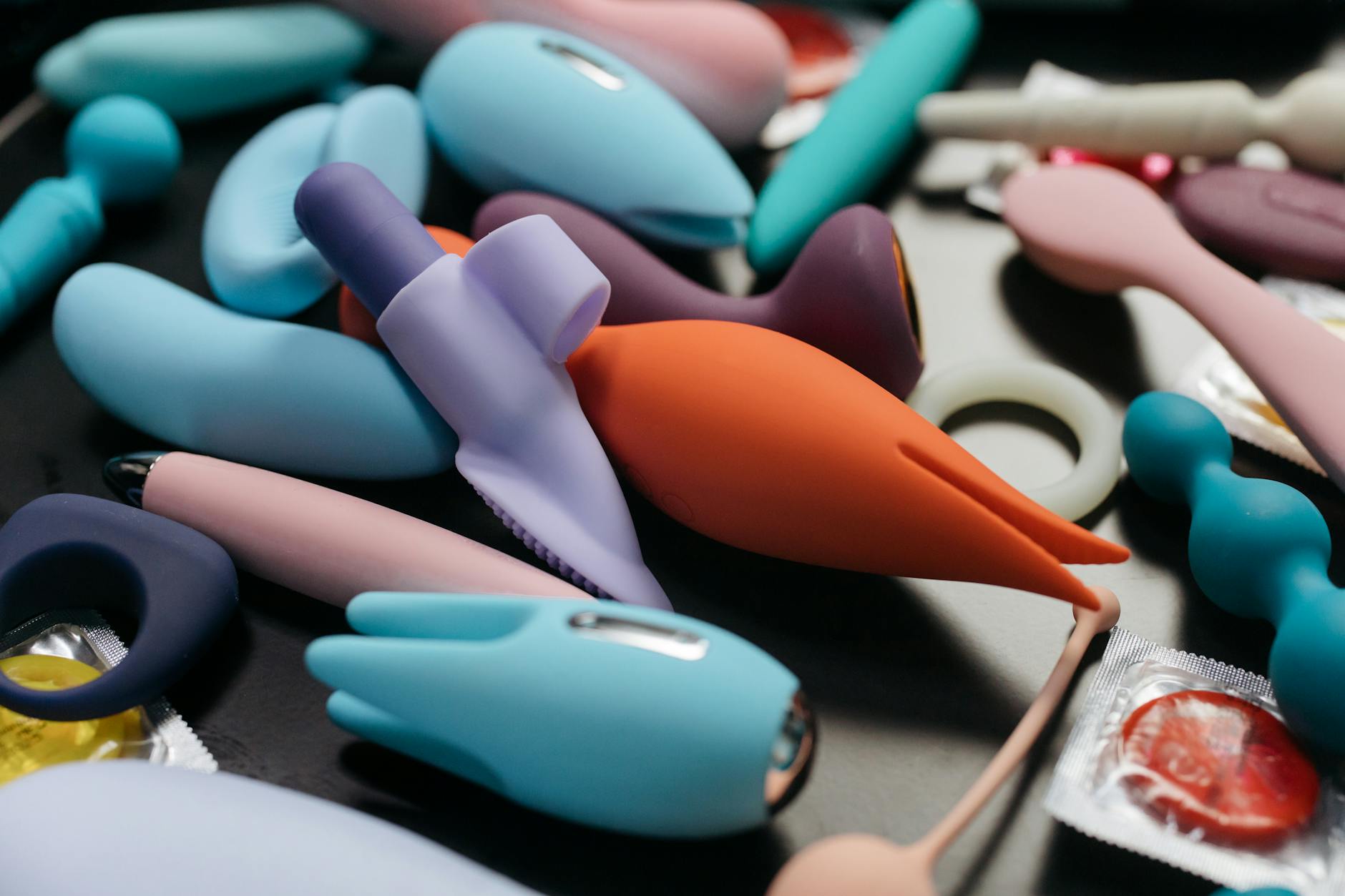
Lemon clitoral vibrators interrupt this cycle. Not by replacing your partner, but by removing the expectation that your pleasure has to hinge on their performance.
Why this matters more than you think
There's a particular kind of resentment that builds when you stop coming. Not the "you hurt me" kind, but the slow, creeping kind where you stop wanting to touch your partner at all. You start resenting their body for not performing. You resent your own body for wanting things it can't get. Sex becomes a negotiation instead of something you both want.
A quality clitoral vibrator like the Lem gives you access to your own pleasure independent of your partner's performance. This sounds like a solitary thing. It's actually the opposite. Here's why.
How this actually rebuilds connection
When you have reliable access to pleasure, three things shift.
First, you stop carrying the weight of making sex "work." Your partner doesn't have to achieve erection or maintain desire in order for you to have an orgasm. That pressure drops instantly, which usually drops their anxiety too.
Second, pleasure becomes collaborative instead of dependent. You're not waiting for them to function. Instead, you're inviting them into your pleasure as it's actually happening. They get to watch, touch, participate in ways that don't require their penis to cooperate. This is weirdly freeing for partners with ED because suddenly there are multiple ways to be useful and desired.
Third, when you've had regular orgasms, you want sex more. This is neurochemistry. Pleasure builds appetite for more pleasure. So using lemon vibrators isn't a backup plan. It's often the thing that restarts the whole conversation about sex in your relationship.
The practical setup
If your partner is struggling with low desire, here's what actually works.
Start by separating conversations. "I want to explore my pleasure" is different from "you're not satisfying me." Say the first thing. Mean it. Don't package it as a complaint about them.
Get a clitoral vibrator that works for you. If you've never used one, the Lem is specifically designed for people who want something that doesn't feel like penetration. It's quiet, intuitive, and works whether your partner is in the room or not.
Use it solo first. Several times. You need to know your own response before you invite them in. This isn't about secrecy. It's about building your own baseline of pleasure so you're not dependent on the dynamic.
Then, when you're ready, invite them in. "I've been exploring something that feels really good. I'd like you to see." Most partners find this incredibly hot because they're suddenly not performing, they're witnessing. There's a huge difference.
What helps with the emotional part
ED and low desire often have real causes. Low testosterone, antidepressants, stress, relationship conflict, past trauma, health conditions. None of these are his fault and all of them are worth addressing with a doctor. But addressing them takes time, and you shouldn't have to wait.
If your partner is resistant to a vibrator in the bedroom, that usually signals shame or fear, not preference. He might feel like it's replacement for him. This is where a conversation matters more than the toy. "This isn't about you failing me. This is about me getting what I need. And I want you here for it."
If he stays resistant, that's a different conversation. It might be worth couples therapy. Not because you've done anything wrong, but because partners who can't support their partner's pleasure are often struggling with something deeper.
When penetration isn't possible or wanted
One weird gift of ED is that couples often discover sex they actually enjoy more. Penetration can feel obligatory. Oral, hands, toys, external stimulation - these can feel more intimate because they're not about performance benchmarks.
You get to come. Your partner gets to feel useful and desired. The pressure to perform vanishes. That's not a compromise. That's actually an upgrade.
Lemon vibrators work beautifully here because they can integrate into almost any kind of sex you're having. Solo? Yes. With a partner watching? Yes. While they're using their hands? Yes. During oral? Yes. They're flexible because pleasure doesn't have a single shape.
The timeline question
Don't expect this to transform your relationship overnight. Desire patterns take time to shift. But most couples I work with notice a difference within 2-3 weeks. More orgasms for you. Less pressure for them. More sex overall, not less.
The shift isn't magical. It's mechanically simple. When you're not waiting for him to be able to perform, and he's not waiting for himself to want to, sex starts happening again. And sex, oddly enough, is what makes most people want more sex.
When to get outside help
If your partner's low desire is connected to depression, that's a medical issue. Same with ED. A good GP or urologist can help determine whether it's hormonal, vascular, neurological, or psychological. Most cases are treatable.
If the problem is relationship-based (resentment, infidelity, incompatibility), a vibrator won't fix it. But couples therapy will help you figure out whether you're dealing with a solvable mismatch or a fundamental incompatibility.
The vibrator is a tool. The real work is the conversation.
FAQ
Will using a vibrator make my partner feel inadequate?
Maybe initially. But inadequacy usually comes from silence. When you frame it as "I want more pleasure and I want you to be part of that," most partners feel relief. They finally get to stop performing and start participating.
Can I use a lemon vibrator during partnered sex?
Absolutely. Clitoral suction vibrators like the Lem are specifically designed to work with partners. He can be inside you, or just present, or just watching. The vibrator doesn't replace anything. It adds.
What if he refuses to have sex with a vibrator in the room?
That's worth addressing directly. "What's coming up for you?" might reveal fear, shame, or insecurity that runs deeper than the toy. Sometimes it's about his relationship to his own desire. A therapist can help untangle this.
Does using a vibrator solo mean I'm less attracted to my partner?
No. In fact, it usually means the opposite. When you have regular pleasure, you want sex more. And when you want sex more, attraction often follows.
How often should I use a lemon clitoral vibrator if my partner has ED?
As often as feels good. There's no "too much." Some people use them multiple times a week, some once a week. The point is consistency so your body remembers what pleasure feels like.
Can we use a vibrator together if he's taking medications that affect desire?
Yes. Medications are one barrier to his desire, not a reason to eliminate yours. In fact, when you have reliable pleasure while he's adjusting medications, you both stay connected to sex as something positive.
The real point
Desire mismatch is common. It's also one of the most fixable relationship problems if you're willing to stop performing for each other. A good lemon clitoral vibrator removes the expectation that your pleasure depends on his performance. That shift alone often restarts desire for both of you.
Start with a conversation. Then start with yourself. Then invite him in. The pleasure you're actually building together is worth the awkwardness of the first conversation.
If you're feeling stuck in this dynamic, connection starts with talking. We're here to help you work through it.