Let's talk about numb
You've probably noticed it. You're using your regular vibrator, the intensity is cranked up, you're in the zone, and then suddenly you need it higher. And higher. And then you're chasing an orgasm that used to feel electric but now feels more like a distant echo.
That's not a personal failing. That's your nervous system adapting to repetitive stimulation. It's exactly what happens with any strong, constant sensation over time.
Why traditional vibration creates numbness
Here's the biology part, and it's actually straightforward. When you apply continuous vibration at high frequency, your nerve endings habituate. They stop firing as reliably. This is a protective mechanism. Your body is essentially saying, "Okay, this stimulus is constant and safe, so I don't need to alert you to it every second."
It's the same reason you stop noticing the feeling of your shirt after five minutes of wearing it, or why a massage that feels incredible on day one feels like a light tap on day ten. Your sensory receptors are literally downregulating their response.
Traditional vibrators work through sustained oscillation. The motor vibrates at a fixed frequency, usually 80-300 times per second depending on the device. That sustained, repetitive signal is exactly what triggers habituation fastest. The stronger the vibration, the faster your body adapts to it.
Worse, once your clitoral tissue has adapted to high-frequency vibration, it can feel almost impossible to feel pleasure from gentler touch or lower-intensity stimulation. You've basically recalibrated your sensitivity upward. And that recalibration sticks around.
What makes clitoral suction completely different
Clitoral suction doesn't vibrate. It creates a gentle rhythmic pulse and suction pattern that stimulates the entire clitoral complex, not just the external glans. When you use the Lem or another suction-based toy, you're working with your body's natural response to negative pressure and release, over and over.
The key difference: suction mimics the sensation of oral sex more closely than any vibrator ever can. Your mouth isn't vibrating when it moves over your clitoris. It's creating pressure changes, rhythmic contact, and release patterns. That's a fundamentally different neurological signal than vibration.
Because suction engages multiple nerve pathways simultaneously, your nervous system doesn't habituate to it the same way. You're not signaling "this one thing, repeatedly." You're signaling "pressure, release, pressure, release." That variation, that rhythm, is what keeps sensation fresh.
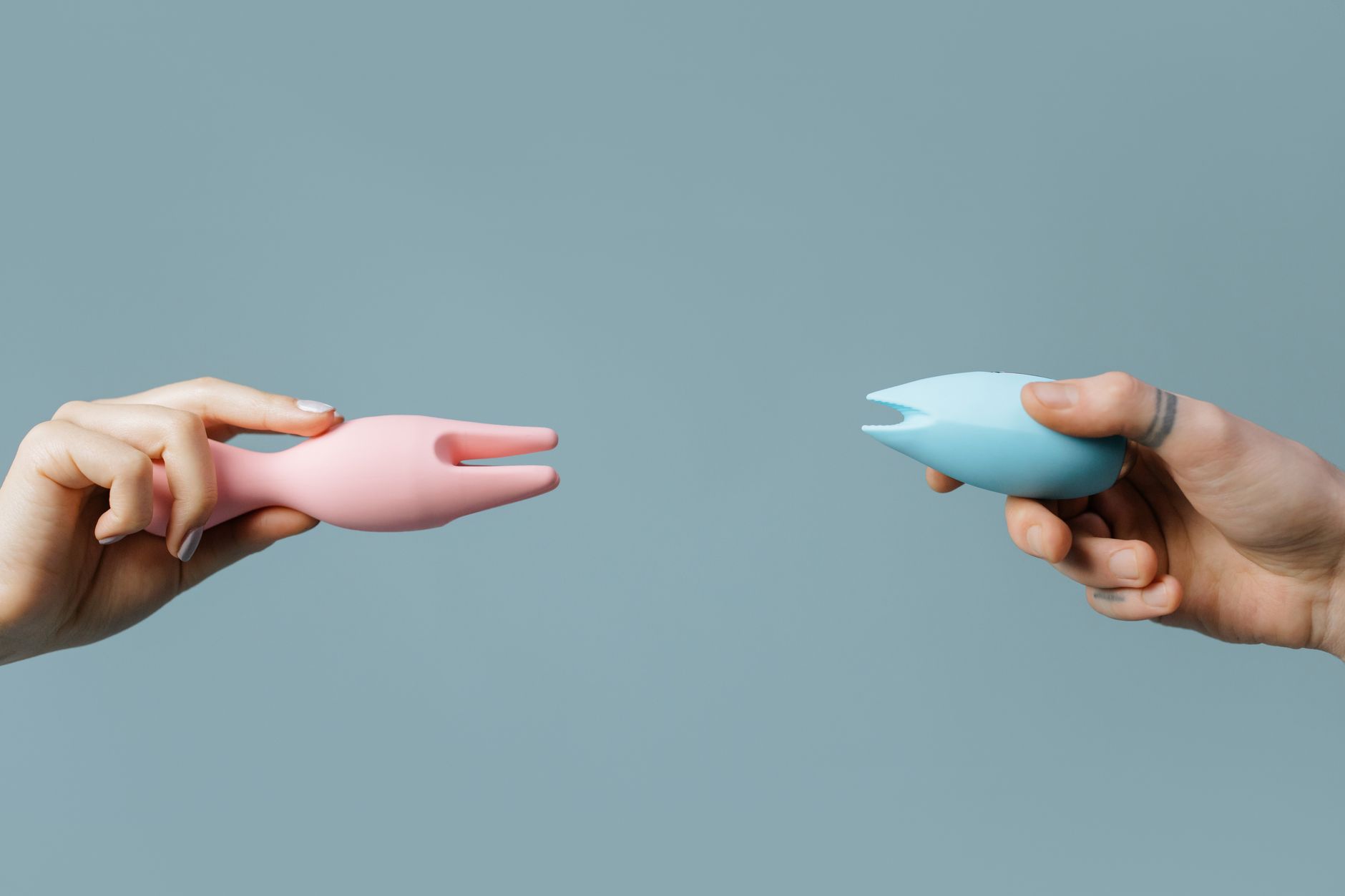
For people who've been using traditional vibrators for months or years, switching to a lemon clitoral vibrator like the Lem can feel revelatory. Suddenly your clitoris is responsive again. Sensations you thought had disappeared come roaring back.
The neuroscience of why this matters
Your clitoral nerve endings have something like 8,000 nerve fibers concentrated in a space roughly the size of a pea. They respond to different types of stimulation: pressure, vibration, temperature, rhythm. When you only ever stimulate them with one type of input, you're basically ignoring the other 70 percent of their capacity.
Clitoral suction activates more of that neural real estate. You're engaging pressure receptors, stretch receptors, and temporal pattern recognition all at once. That's why sensations feel sharper, orgasms feel more full-bodied, and why many people report that their best orgasms come after they switch from traditional vibrators to suction.
There's also the psychological component. When you've spent years chasing sensation with increasingly intense vibration, you internalize the story that you're "hard to come" or "numb." Switching tools interrupts that narrative. Suddenly you're not numb. Your tool was just outdated.
How to transition from vibration to suction without losing sensation
If you've been a heavy vibrator user and you're worried about desensitization, here's what actually works.
First: take a break. Not forever, not even two weeks. Even three to five days without any genital stimulation lets your nerve endings reset. It's not radical. It's basically giving your clitoris a break from the same input it's been receiving on repeat. During this break, you'll probably notice your baseline sensitivity creeping back up naturally.
Second: start with lower intensity. When you pick up the Lem, don't go to the strongest setting immediately. Start at pattern 1 or 2. Let your nervous system remember what gentler sensation feels like. You'll probably be shocked at how much you feel.
Third: mix up your rhythms. The Lem has multiple patterns specifically because variation is what keeps sensation alive. Use different patterns on different occasions. Your body stays responsive to novelty.
Fourth: try external stimulation first. If you've been relying on internal vibration, start with external clitoral suction before moving to other areas. Rebuild your baseline sensitivity where it matters most.
Why this applies beyond just pleasure
Look, there's a real issue in the vibrator world. Manufacturers compete on intensity and speed. Stronger motor, higher frequency, louder volume. But stronger doesn't mean better. For a lot of people, it means the opposite.
When you're locked into the "more intensity" cycle, you're also locked into the "everything else feels numb" cycle. That affects not just solo pleasure, but partnered sex too. If your clitoris is habituated to 300 Hz vibration, regular touch from a partner feels like almost nothing. That's a real intimacy problem, and it's not your body's fault. It's a tool design problem.
Lemon clitoral vibrators like the Lem use suction technology specifically to avoid this trap. You get intense sensation without the habituation. That means your pleasure stays responsive, your partner's touch keeps working for you, and you're not endlessly chasing a stronger vibrator.
The difference you'll actually feel
Most people report that switching to suction feels less like "OMG brand new sensation" and more like "oh, my body is still here." Suddenly touch is sharper. Sensation is more textured. Orgasms feel less like a one-note hum and more like an actual event happening in your body, with layers to it.
Some people cry the first time they use a suction vibrator after years of traditional vibration. Not because it's overwhelming, but because they've been numb and didn't fully realize it. Having sensation come back is genuinely emotional.
If you're in that situation, that's not broken. That's your nervous system doing exactly what it's supposed to do. And switching to a different tool, one that engages a wider range of your nerve endings, can literally change your physical experience of pleasure. That's not hype. That's neurology.
When to seek professional help
That said, if you've tried a break from stimulation, tried suction, and sensation still isn't coming back, there might be something else going on. Certain medications numb sensation. Some medical conditions do. Chronic stress tanks arousal hard.
If numbness persists, talking to a sex therapist or a gynecologist who understands sexual response is smart. They can help you figure out whether it's tool-related, medication-related, or something else entirely. But for most people who've been locked in the high-intensity vibration cycle, switching to clitoral suction brings sensation roaring back within days.
Your pleasure isn't broken. You might just need a tool that works with your nervous system instead of against it.
People also ask
Can vibrator numbness be permanent?
No. Vibrator numbness is nerve habituation, not nerve damage. Your nerve endings are still there and still functional. Taking a break from stimulation, even just a few days, lets them reset. Switching to a different type of stimulation, like clitoral suction, also interrupts the habituation cycle quickly. Most people notice sensation coming back within a week of switching tools or taking a short break. Permanent numbness would be rare and would usually indicate a medical issue unrelated to vibrator use.
Why do some people get numb and others don't?
It depends on frequency, intensity, and duration. Someone who uses a vibrator on the highest setting for 30 minutes daily will habituate faster than someone who uses it occasionally on a lower setting. Genetics also plays a role. Some people's nervous systems are naturally more prone to habituation. Stress, certain medications, and hormonal fluctuations also affect how quickly numbness develops. Age and whether you've used vibrators for years versus months matters too.
Is suction actually better than vibration, or is it just different?
It's genuinely different. Vibration activates one primary nerve pathway at very high frequency. Suction activates multiple pathways through pressure changes and rhythm. Because the neural signal is fundamentally different, habituation happens more slowly, if at all. That said, "better" depends on your individual response. Some people love vibration, some love suction, some use both. But if numbness is your specific problem, suction usually solves it because it engages a wider range of nerve endings and doesn't trigger the same habituation response.
How long does it take to feel the difference with a lemon clitoral vibrator?
Most people notice a difference within the first use. If you've been using high-intensity traditional vibrators, the first time you try suction often feels shockingly different. Sensation that felt dead is suddenly alive again. If you don't notice a dramatic difference in the first session, give it three to five uses before deciding. Sometimes your nervous system needs a little time to remember how to respond to a different type of signal. But usually, the shift is immediate.
Can I use both vibrators and suction, or do I have to choose?
You can use both, but if numbness is happening, you'll want to be intentional about it. Use suction as your primary tool to rebuild baseline sensitivity. Use traditional vibration occasionally and at lower intensities. This keeps you responsive to both types of sensation without creating habituation to either. Think of it like seasoning food. If you only ever eat salt, you need more and more salt to taste it. But if you mix salt with other flavors, each one stays flavorful. Same principle with stimulation.
Does clitoral numbness affect partnered sex?
Yes. If your clitoris is habituated to high-intensity vibration, partnered touch often feels like almost nothing. Fingers, tongues, and lower-intensity toys won't create the same level of sensation you've become accustomed to. This can make partnered sex feel less pleasurable and create frustration for both people. Switching to suction-based tools like a Lem vibrator can restore responsiveness to gentler touch, which usually improves partnered sex significantly. Couples often report that it changes the dynamic because both partners' touch feels good again.
Is it normal to need increasingly intense vibrators over time?
It's common, but it's not healthy long-term. What you're experiencing is neural habituation. Your nervous system adapts to the stimulus and needs more intensity to create the same response. That's the same mechanism that happens with any repeated stimulus. The solution isn't to keep buying stronger vibrators. It's to give your nervous system different types of input. Taking breaks, switching between vibration and suction, and deliberately using lower intensities all help prevent the habituation cycle. Once you're in it, switching to suction or taking a break usually brings sensitivity back quickly.