The foreplay problem nobody talks about
Let's be real. When you've been with the same partner for five, ten, twenty years, foreplay doesn't disappear. It just... compresses. What used to be a twenty-minute build becomes five minutes of kissing, maybe some touching, then moving to what feels familiar. It's not that you don't want foreplay. It's that you fall into a rhythm so predictable that both of you stop paying attention to it.
Here's what I see in my practice constantly: long-term couples have wildly satisfying sex lives, but they've traded anticipation for comfort. The thrill is gone. Not the connection—the connection is usually deeper. But the edge, the sense of discovery, the feeling that something new might happen. That's what fades.
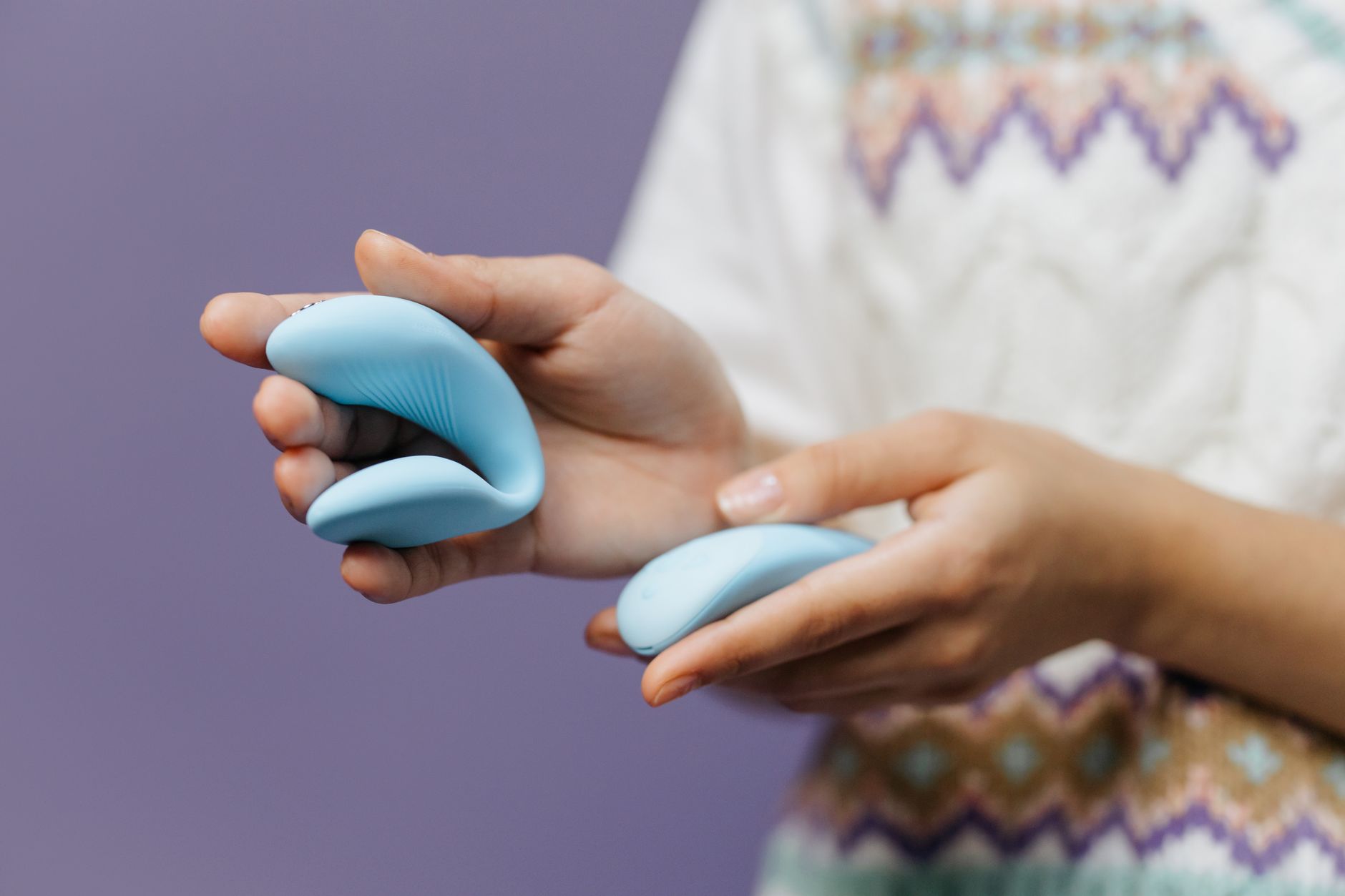
Clitoral vibrators, especially ones like the Lemon Clitoral Vibrator, interrupt that pattern. They're not a fix for boredom. They're a conversation starter, a permission slip to slow down, and a way to rebuild foreplay as something neither of you can sleepwalk through.
Why long-term couples stop prioritizing foreplay
It's not laziness. It's neurochemistry and habits. After you've been with someone for years, your brain has mapped every inch of the route to sex. Your nervous system isn't looking for novelty anymore—it's looking for efficiency. Sex becomes goal-oriented: get turned on, move toward the finish, both orgasm, sleep. Foreplay in this context feels like a detour.
Then there's the practical stuff. Kids, work stress, fatigue, less privacy. You grab sex when you can, not when you want. A quickie is better than nothing, so foreplay gets cut first.
But here's the thing: couples who've been together a long time report that their best sex happened when they made foreplay non-negotiable again. Not because they suddenly became more attracted to each other, but because foreplay forced them to pay attention.
How vibrators actually change foreplay
It's not magic. It's structure. A clitoral vibrator introduces something your usual routine doesn't have: a variable that requires attention and communication.
When you bring a vibrator into foreplay, you can't autopilot. You have to ask questions. What pattern feels best right now? Do you want it faster, slower, higher, lower? Should I use it while we kiss, or after? These tiny decisions rebuild the conversation you used to have without words when you were first together and paying attention to everything.
Lemon clitoral vibrators work especially well for this because they're designed for precision. You're not juggling a toy and trying to stay connected—the toy is doing one thing really well, which means your hands and mouth are free. You can use it during kissing, during manual stimulation, during foreplay that never reaches penetration because you're both too focused on what's happening in the moment.
The suction-based design also means a partner can use it on you without needing to follow a script. There's no "am I doing this right?" question because the toy is consistent. Your partner can focus entirely on the emotional and physical connection rather than worrying about technique.
Building foreplay back into your routine
Here's the practical approach: foreplay doesn't need to be longer. It needs to be intentional.
Set a timer for fifteen minutes. Not because you're in a hurry, but because having a boundary actually makes you focus. Skin, kissing, touching, talking—no penetration, no orgasm goal. Just those fifteen minutes with the explicit rule that the point is sensation, not destination.
Use a lemon clitoral vibrator as part of those fifteen minutes, not the whole thing. Let it punctuate the foreplay. A few minutes of vibration, then back to manual touch, then back to the toy. This rhythm keeps both partners engaged and reminds you that there's a whole landscape of sensation before intercourse.
Talk while you're doing it. Especially with a long-term partner, it's easy to think you already know what someone likes. But taste, sensitivity, and desire shift over time. A clitoral vibrator is permission to ask again: does this feel good? Is this what you need? Do you want more, less, something different?
When foreplay anxiety shows up
Sometimes couples bring vibrators into foreplay to solve a deeper problem. One partner has performance anxiety. The other feels like foreplay is always too focused on them. Someone's worried they're not attractive anymore. Sex has become a source of tension instead of connection.
In these situations, a vibrator can actually lower the stakes. If the goal shifts from "make sure both of us orgasm during foreplay" to "spend time together doing something that feels good," the pressure dissolves. A clitoral vibrator gives your partner something concrete to focus on instead of spiraling into anxiety about whether they're doing it right.
But the vibrator alone won't fix relationship tension. What it does is create space for a different conversation. It says: this is new territory, so let's figure it out together. That's powerful.
Making foreplay feel like discovery again
Long-term couples sometimes worry that bringing in a toy will feel clinical or like they're trying too hard. Like admission that the old way isn't working.
Actually, it's the opposite. It's an acknowledgment that you both deserve foreplay that feels good, and you're willing to be curious about how to make that happen. That's intimate. That's the opposite of sleepwalking through sex.
Start small. Maybe use a clitoral vibrator during foreplay once and see what happens. Notice what changes in the conversation, in the pace, in how present you both feel. You might find that once you've rediscovered foreplay as something worth time and attention, the vibrator becomes optional. You've already rebuilt the habit.
Or you might find that it's now part of your regular foreplay, and that's fine too. The point isn't the toy. The point is that you've carved out space to pay attention to each other again.
FAQ
Can a clitoral vibrator work during penetrative foreplay?
Absolutely. A lemon clitoral vibrator is designed to be used during multiple stages of intimacy, including during penetration or manual stimulation with a partner. Many couples find that using a vibrator on the clitoris while engaging in other forms of touch or penetration creates a more satisfying experience for the receiving partner and requires less effort from both of you.
What if my partner is nervous about using a toy together?
Start by having a conversation outside the bedroom. Explain that you're interested in foreplay that feels better and more connected, not that anything is wrong with your current sex life. Frame it as something you want to try together, not something you need because they're failing at foreplay. Let them pick it up, see it, hold it. Toys are less intimidating when they're not a surprise.
Will using a vibrator during foreplay make it harder to orgasm without one?
Not if you use vibrators as part of a varied foreplay routine, not the entire foundation. The goal is to build foreplay that includes multiple types of sensation—touch, kissing, manual stimulation, and vibration. This actually trains your body to respond to a wider range of stimulation, not a narrower one.
How long should foreplay last in a long-term relationship?
There's no magic number, but fifteen to thirty minutes gives you enough time to shift out of goal-oriented mode and into sensation. The length matters less than the consistency. A couple that has ten minutes of genuinely present foreplay twice a week will feel more connected than a couple that occasionally goes for thirty minutes while half-distracted.
Can we use a lemon clitoral vibrator if one of us has low desire?
Yes, but with caveats. If low desire is rooted in relationship disconnection, resentment, or unresolved conflict, a vibrator won't fix it. But if desire is low because foreplay has become boring or insufficient, rebuilding foreplay with a vibrator can absolutely help reignite interest. The key is addressing the root cause first.
Is it weird to need a vibrator after years of foreplay without one?
Not even slightly. Your body changes over time. What worked in your twenties might not be enough stimulation in your forties. Sensitivity shifts. Responsiveness shifts. That's not a failure—it's information about what your body needs now. A clitoral vibrator is just a tool that responds to that information.
The deeper shift
Foreplay isn't about technique. It's about attention. After years together, the best gift you can give your partner is the gift of being genuinely present, curious, and willing to slow down. A clitoral vibrator works because it forces both of you to do exactly that.
You can't use one while scrolling your phone. You can't use one while mentally planning tomorrow. You're either in the conversation or you're not. And couples who rebuild foreplay as a priority usually find that everything else in their sex life gets better too, because the foundation is stronger.
If foreplay has compressed in your relationship, you don't need a fancy solution. You need permission to take your time. A lemon clitoral vibrator is just a really good reminder that it's worth it.
Ready to rebuild foreplay with intention? Get in touch and let's talk about what might work for your relationship.