Grief disconnects you from everything, including pleasure
When you're grieving, your body goes into a kind of hibernation. Your nervous system is flooded with cortisol and stress hormones. Pleasure is not a survival priority. Sensation feels distant. Touch might feel irritating instead of comforting. And if you try to access pleasure while you're in that state, it can feel like you're faking it, performing it, or worse.like you're betraying the grief somehow by feeling good.
This is normal. It's also not permanent.
I've worked with dozens of people navigating grief.the loss of a partner, a parent, a child, a sudden diagnosis, a major life shift.and almost all of them describe the same thing: pleasure goes dormant. Not dead. Dormant. And the question isn't how to force it back. It's how to gently invite it to wake up again.
What grief actually does to your nervous system
Here's the neurology: when you're grieving, your brain activates the default mode network.a set of neural pathways associated with self-reflection, rumination, and internal focus. At the same time, your prefrontal cortex.the part that handles reasoning and present-moment awareness.gets quieter. Your amygdala, the threat-detection center, is on high alert.
Pleasure requires something different. It requires your brain to shift from "survive this loss" to "be here now." That's not a switch you flip. It's a gradual recalibration.
The second layer is physical. Grief is stored in the body. Tension accumulates in the chest, shoulders, and pelvic floor. That tightness makes pleasure harder to access because arousal literally requires relaxation.the opposite of the clenching that grief creates.
Why lemon vibrators matter specifically
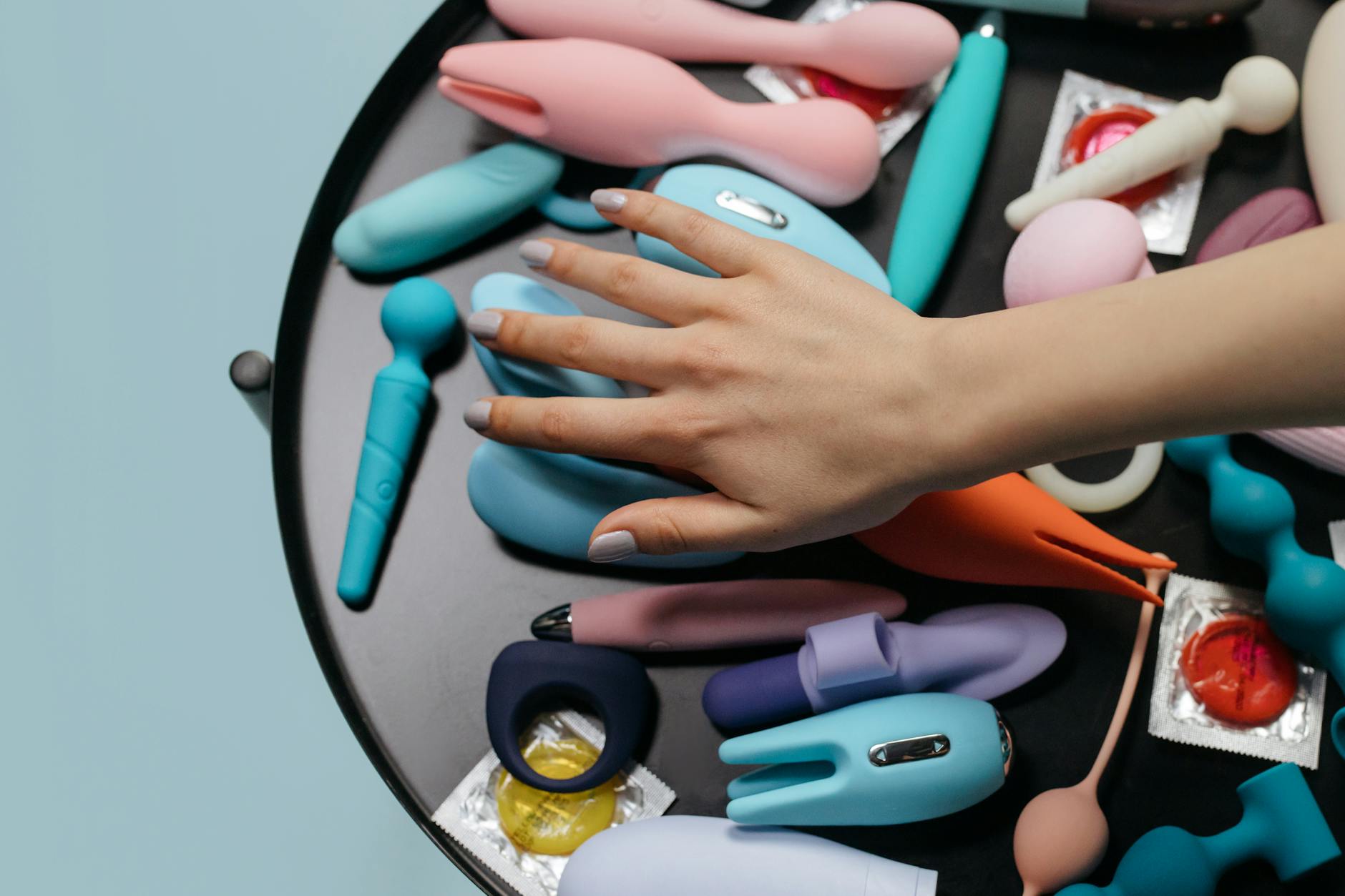
Clitoral vibrators like the Lem work differently than other toys because they use suction and gentle pulsing rather than direct, intense vibration. That matters when you're grieving because:
First, they don't demand performance. You don't have to "get there." The suction does the work. Your job is just to feel what's there.even if that's numbness, even if that's nothing. That's the opposite of pressure, which is what you need when you're already pressuring yourself to "feel normal again."
Second, they build sensation gradually. Most lemon clitoral vibrators start at lower intensities. You're not hit with a shock of stimulation. You're invited. That's crucial when your nervous system is raw and hypervigilant.
Third, they feel different. If your grief is tangled up with a partner, or with intimacy in general, a different sensation.something you haven't used before.can help your brain create new associations. You're not reaching for the old groove. You're building a new one.
The stages of reconnection
I don't believe in forcing pleasure back. But I do believe in creating the conditions for it to return naturally. Here's the sequence I recommend:
Stage 1: Just holding it. Get a lemon vibrator. Don't turn it on. Just hold it. Feel its weight, its texture, its temperature. This sounds absurd when you're grieving, but it's rewiring. You're telling your nervous system: "This thing is safe. This space is safe." Many people spend a week or two here, and that's completely fine.
Stage 2: Turning it on without using it. Hold the lemon vibrator while it's running, but not on your body. Feel the vibration in your hand. Notice your reaction. Notice if you feel resistance. Resistance is data, not failure.
Stage 3: Minimal contact. When you're ready, the smallest touch. Chest, inner arm, stomach.anywhere but your clitoris. The goal is to reintroduce your body to sensation that feels good, without the stakes of orgasm or "real" sexual pleasure.
Stage 4: Light exploration. External pressure only. No penetration. No goal. The Lem or another lemon clitoral vibrator on the lowest setting, just touching the outside of your vulva. You can set a timer for five minutes. The structure helps.it removes the question "am I doing this right?" You're just observing.
Creating the right container
Timing and space matter wildly. Grief has surges. Some days you'll feel capable of reconnection. Some days the thought of pleasure will feel painful. Trust that.
Pick a time when you're not in the depths of a grief spike. Early evening often works better than late night.late night can feel like you're trying to escape the grief, which activates shame. Early evening feels more like self-care.
Pick a space where you feel safe and private. Not your bed if your bed is where you grieve.somewhere else if you can manage it. The psychological separation matters.
Dim the lights. Warm the room. Give yourself permission to stop whenever you want. If you get ten seconds in and you're done, you're done. You're not failing. You're listening to your body.
What reconnection actually feels like
I'll be honest: it might not feel like pleasure at first. It might feel like numbness. Like tingling. Like a very faint echo of pleasure. That's success. That's your nervous system waking up.
The pleasure doesn't come roaring back. It creeps back. One day you'll use your lemon vibrator and feel something that's not numb, and you'll cry, because it feels like proof that you'll survive this. And you will.
Many people also find that reconnecting with pleasure, even faintly, is the first moment they allow themselves to feel okay again.and that hits different. It's not about orgasm. It's about permission. It's about your body saying, "I'm still here. I can still feel good." That's everything.
When to seek extra support
If you're grieving and you also have a partner, this gets more complicated. They might interpret your disconnection as disconnection from them. They might push for intimacy before you're ready. Or they might withdraw, thinking they should give you space. These are relationship conversations, separate from the physical reconnection.
If your grief is also entangled with depression or trauma, or if you're months out and you feel completely shut down from pleasure and from life, that's a signal to talk to a therapist. Grief alone numbs pleasure. Grief plus depression can make that numbness feel permanent.
If you're experiencing physical pain during any of this.pain that wasn't there before.stop and check in with a doctor. Grief can worsen certain conditions, and physical pain complicates the process of reconnection.
The truth about moving forward
Reconnecting with pleasure after grief is not about "getting over it." It's about your nervous system learning that grief and feeling good can exist in the same life. It's about your body saying, "I survived. And I'm allowed to feel good again." That's the piece no one talks about.the guilt of pleasure while you're grieving. It's real. And it's worth working through, because the alternative.staying numb forever.is not a memorial to the person or the loss. It's just slow death.
Lemon vibrators won't fix grief. Nothing fixes it. But they can help you gently invite your body back into the conversation. And sometimes, that's exactly what you need.
People also ask
Is it normal to lose interest in pleasure while grieving?
Completely normal. Grief activates your nervous system's threat-response mode, which suppresses pleasure signals. Your brain is essentially saying, "We need to focus on survival right now." This isn't a sign you're broken or that you'll never feel pleasure again. It's a temporary neurological shift. Most people find pleasure returns gradually as the acute phase of grief softens.over weeks or months, depending on the loss.
How long does it usually take to reconnect with pleasure after loss?
There's no timeline. Some people feel a shift in weeks. Others take months or longer. Major losses.death, divorce, serious illness.typically take longer than smaller ones. The key is not to expect a linear progression. You might have days where you feel reconnected, then days where you're numb again. That's grief doing its job. Pressure to "get back to normal" usually slows the process.
Can using a lemon vibrator feel wrong or inappropriate while grieving?
Yes, it can feel that way. Many people carry guilt about pleasure while grieving.like it's disrespectful or means they didn't love the person enough. This is worth examining. Pleasure is not disrespect. Your body surviving and healing is not a betrayal of the grief. If the guilt is intense, it's worth exploring with a therapist, because that's often where grief and shame are tangled together.
Should I try to reconnect with a partner while I'm grieving, or wait until later?
That depends on your partner and the nature of the loss. If the loss is a miscarriage or the death of a child, intimacy with your partner can feel complicated because you're both grieving the same thing.or grieving it differently. Some couples reconnect through intimacy; others need separation. The conversation with your partner matters more than the physical reconnection. Be honest about what you need.
What if I still feel numb six months or a year after the loss?
That's worth checking in with a therapist or doctor. Extended numbness can be a sign of depression, complicated grief, or trauma layered under the grief. Pleasure disconnection alone usually softens by six months.not back to baseline, but noticeably softer. If it's not, something else might need attention.
Is clitoral stimulation better than penetration for reconnecting after grief?
Clitoral stimulation is gentler and lower-pressure, which is why I recommend starting there. It doesn't activate the same vulnerability as penetration. As your nervous system recalibrates, you might eventually want penetration again. But clitoral vibrators are usually the better entry point because they're less emotionally loaded and they work with your body's current capacity, not against it.