The thing nobody tells you about getting feeling back
Long-term numbness doesn't announce its exit. One day you realize you felt something that you've been unable to feel for years. It's not dramatic. It's quiet. And it can feel almost as disorienting as the numbness itself.
Sensitivity loss from stress, depression, medication, or years of disconnection is real and common. So is recovery. But recovery isn't linear, and your nervous system needs support as it relearns what pleasure feels like.
Why numbness happens and why it can reverse
Numbness is your nervous system's way of protecting you. When you're under chronic stress, experiencing depression, or taking medications that dull sensation, your body essentially turns down the volume on physical feeling across the board. It's not laziness or brokenness. It's a survival mechanism.
The encouraging part: when conditions change or healing happens, that volume can turn back up. But here's the tricky bit. Your nervous system doesn't flip a switch. It gradually, unevenly, unpredictably starts firing again.
Some people report tingling sensations. Others notice that certain types of touch feel different than they remember. A few describe it as almost discovering pleasure for the first time, because the experience is so removed from their baseline that it feels brand new.
What happens in your body during sensitivity return
Three shifts are happening simultaneously.
First, nerve sensitivity is increasing. Blood flow improves, inflammation often decreases, and nerve endings start responding to stimulation again. This can feel amazing or overwhelmingly intense, depending on the day.
Second, your brain is recalibrating. The neural pathways for pleasure and arousal have been quiet for a long time. They're essentially waking up. This takes time. You might find that arousal takes longer to build, or that it comes in waves rather than a steady climb.
Third, your emotional relationship to sensation is shifting. After months or years of numbness, pleasure can feel scary. Your body learned not to expect it. Now it's learning again. That's a lot for your nervous system to process.
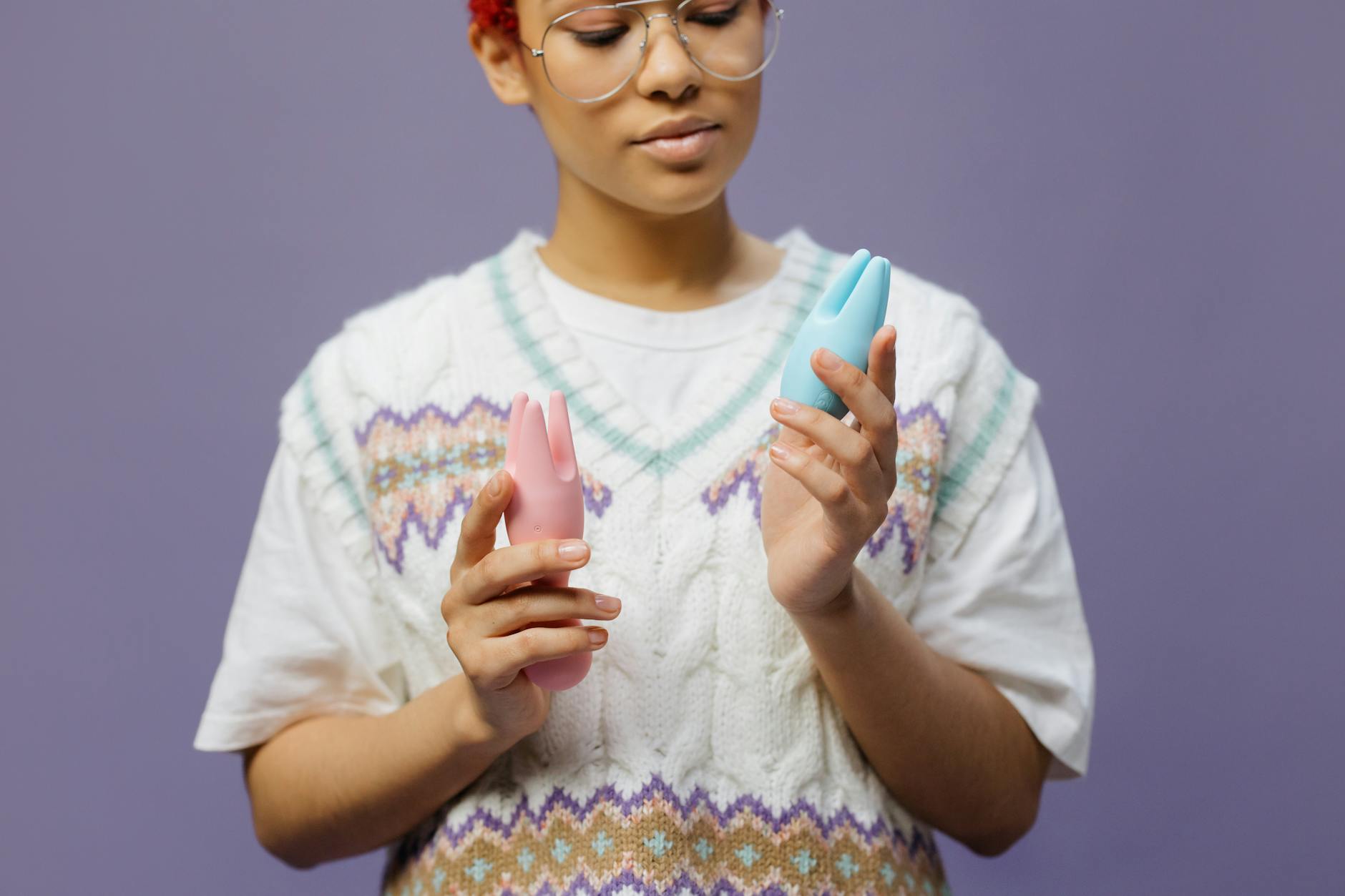
Why Lemon clitoral vibrators are particularly helpful during this transition
I recommend Lemon vibrators to clients in sensitivity recovery for three specific reasons.
Pattern and predictability matter. Lemon clitoral vibrators use suction and pulsing patterns rather than traditional vibration. This creates a rhythm that your nervous system can predict and gradually acclimate to. Unlike random or intense vibration, you can actually feel the pattern. Your brain recognizes it. Your nervous system starts to expect it.
You control the intensity ramp. With suction-based stimulation, you're starting with gentler sensation and building slowly. You're not thrown into high-intensity stimulation that your reawakening nervous system might perceive as threatening. That matters. Gentleness reads as safety to a system that's been protecting itself.
Sensation feels qualitatively different. Because suction works by stimulating deeper nerve clusters rather than just surface vibration, many people report that the sensation feels more "complete" than traditional vibrators. For someone relearning what pleasure feels like, that qualitative difference can feel less like a pale imitation of past pleasure and more like discovering something genuinely new.
That matters psychologically. You're not comparing yourself to "before numbness." You're having a fresh experience.
How to approach sensation recovery with care
Four principles I share with every client navigating this.
Start absurdly low. If your Lemon vibrator has intensity levels, spend a full week at the lowest setting. I mean it. Your nervous system is learning trust. Rushing defeats the purpose.
Warm up first. Spend 10-15 minutes on touch that doesn't involve any device. Your own hands, your partner's hands if you have one, whatever feels safe. You're sending a signal to your nervous system that this is a safe, consensual experience.
Journal what you notice, not how you "should" feel. After each time you explore, write down the sensations you noticed. "Felt tingling on left side," "numbness still present at base," "surprised by how much sensation at tip." Not "I should have felt more" or "I'm failing at this." Observation, not judgment.
Build in rest days. Your nervous system needs time to integrate. Using a Lemon vibrator every day sounds appealing but can actually overwhelm a system that's still learning. Three to four times weekly, with at least one full day of rest in between, allows your body to process and solidify the changes.
The emotional side of sensation returning
Here's what often gets missed in the physical discussion: rediscovering sensation can bring up grief, joy, frustration, and vulnerability all at once.
You might feel angry that you lost years to numbness. You might feel grateful that you're getting sensation back. You might feel impatient because you want everything to return to "normal" right now. All of that is valid.
If you have a partner, this is an important moment to communicate. Not "I'm broken," not "You need to fix me," but "My body is changing. I'm learning how to feel again. I might need patience and gentleness while this happens."
If you're partnered and your partner isn't initiating sex much during this time, that's often okay. Sensitivity recovery is sometimes best done solo. You get to know your own body without the pressure of someone else's timeline or expectations.
When sensation return stalls or feels stuck
If you've been exploring for two to three months and sensation isn't increasing, or if intensity at any point feels painful rather than just intense, talk to a healthcare provider. Sometimes numbness has a physical cause (neuropathy, nerve damage, hormonal imbalance) that needs treatment alongside exploration.
Otherwise, if you're frustrated with the pace, that's the moment to actually slow down more. Counterintuitive, but true. Your nervous system feels the pressure. It tightens. Backing off and reducing frequency often kickstarts progress again.
The timeline is yours
Sensitivity recovery can take weeks or months. Some people notice changes in a few weeks. Others take half a year or longer. The length has nothing to do with how "broken" you are or whether you'll fully recover. It just means your nervous system needed that timeline.
Lemon vibrators work well for this because they don't require you to already have sensation to use effectively. You start where you are now. You build from there. And when sensitivity does return, you've already found a tool that works with your nervous system, not against it.
People also ask
Will sensation definitely come back if I was numb for years?
Most people experience some return of sensation, especially if the numbness came from stress, depression, or medication side effects rather than physical nerve damage. But "definitely" is tricky because everyone's body is different. What's more reliable is that consistent, gentle exploration paired with addressing the underlying cause (therapy for depression, medication adjustment, stress reduction) significantly increases the chances. If numbness came from a medical condition, that usually needs specific treatment alongside pleasure exploration.
Can I use a regular vibrator instead of a Lemon clitoral vibrator during recovery?
Technically yes, but it's not ideal. Traditional vibrators tend to start at higher intensity and deliver that intensity consistently. For someone whose nervous system is relearning sensation, that can feel like starting at level 7 instead of level 1. Lemon vibrators are specifically designed to deliver gentler, more graduated sensation through suction rather than pure vibration. That architecture matters when your goal is nervous system recalibration, not maximum sensation right now.
What if touch still feels uncomfortable or painful?
Discomfort is different from numbness, and it deserves attention. Pain signals that something is off, either physically or emotionally. A good therapist or pelvic physical therapist can help you distinguish between "my nervous system is overwhelmed and needs gentleness" versus "something is medically wrong and needs treatment." Don't push through pain. Pain is information.
How do I know if I'm making progress if I can't "feel" progress?
Progress often looks like noticing smaller changes. You felt something yesterday you didn't feel the week before. Arousal builds slightly faster. Sensation appears in areas where it was absent. You notice you're spending less mental energy on "Am I feeling this?" and more energy on actually enjoying it. These aren't flashy changes, but they're real.
Is it normal to feel emotional during sensation recovery?
Completely. Your body is literally waking up from a protective shutdown. That's profound. You might cry, feel angry, feel unexpectedly joyful, or feel nothing at all. All of it makes sense. Your nervous system is processing years of protection and the relief and vulnerability of that protection lifting. Let yourself feel it.
Should I tell my partner about my sensitivity recovery process?
If you have a partner and you want them involved, yes, early and clearly. Not as a confession, but as information. "I'm exploring sensation recovery at my own pace. I might need slower touch, more patience, and less pressure to perform." If you want this to be entirely solo, that's also valid. Your sensitivity recovery is yours. Your partner can support without being involved in every moment.
Recovering sensation after years of numbness is real work. It's not something you rush. It's not something you measure against anyone else's timeline. It's you, gradually, learning to feel again. Lemon vibrators can be part of that journey, but the real work is the patience, the gentleness, and the willingness to show up for your own healing. That's where the magic happens.
If you have questions about how Lemon intimate products might support your specific situation, reach out. Sometimes talking it through with someone who understands the landscape makes all the difference.