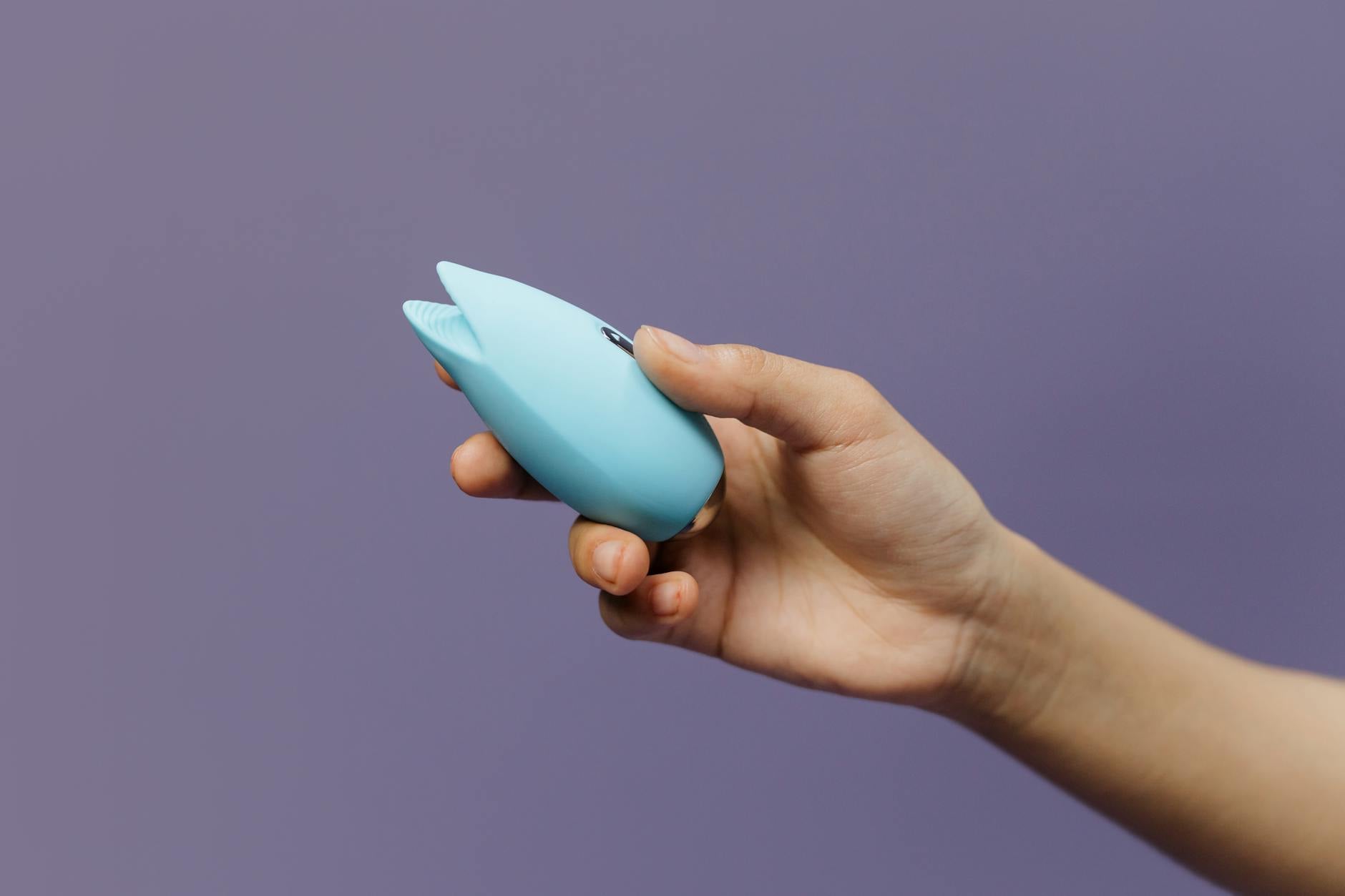
Let's talk about what's actually happening
Your clitoris doesn't stop working as you age. But the way it responds to touch absolutely changes. And here's what nobody tells you: those changes aren't loss. They're shifts. Sometimes they're annoying. Often, they're actually improvements.
The thing is, most people assume clitoral sensitivity is supposed to stay static forever, like a phone with a fixed volume setting. It doesn't work that way. Sensitivity is influenced by hormones, circulation, nerve health, stress, medications, and yes, age. Knowing what's happening in your body means you can work with it instead of against it.
How sensitivity actually shifts over time
In your twenties and thirties, clitoral tissue has high blood flow and dense nerve endings firing on almost any stimulus. Direct touch feels intense. Quick pulses work. A strong vibrator on high often feels amazing. Your clitoris responds fast and predictably.
Starting in your forties, and more noticeably in your fifties and beyond, a few things happen. Blood vessel elasticity decreases slightly, which means arousal takes longer to build and tissues don't engorge quite as rapidly. Nerve sensitivity doesn't fade evenly. Some areas become less responsive. Others become hypersensitive. Your threshold for what feels good gets more specific instead of broader.
Direct intense stimulation, the thing that worked at twenty-five, might now feel too sharp or even uncomfortable. What used to feel like pleasure can start feeling like static. This is temporary sensitivity loss, and it's wildly common.
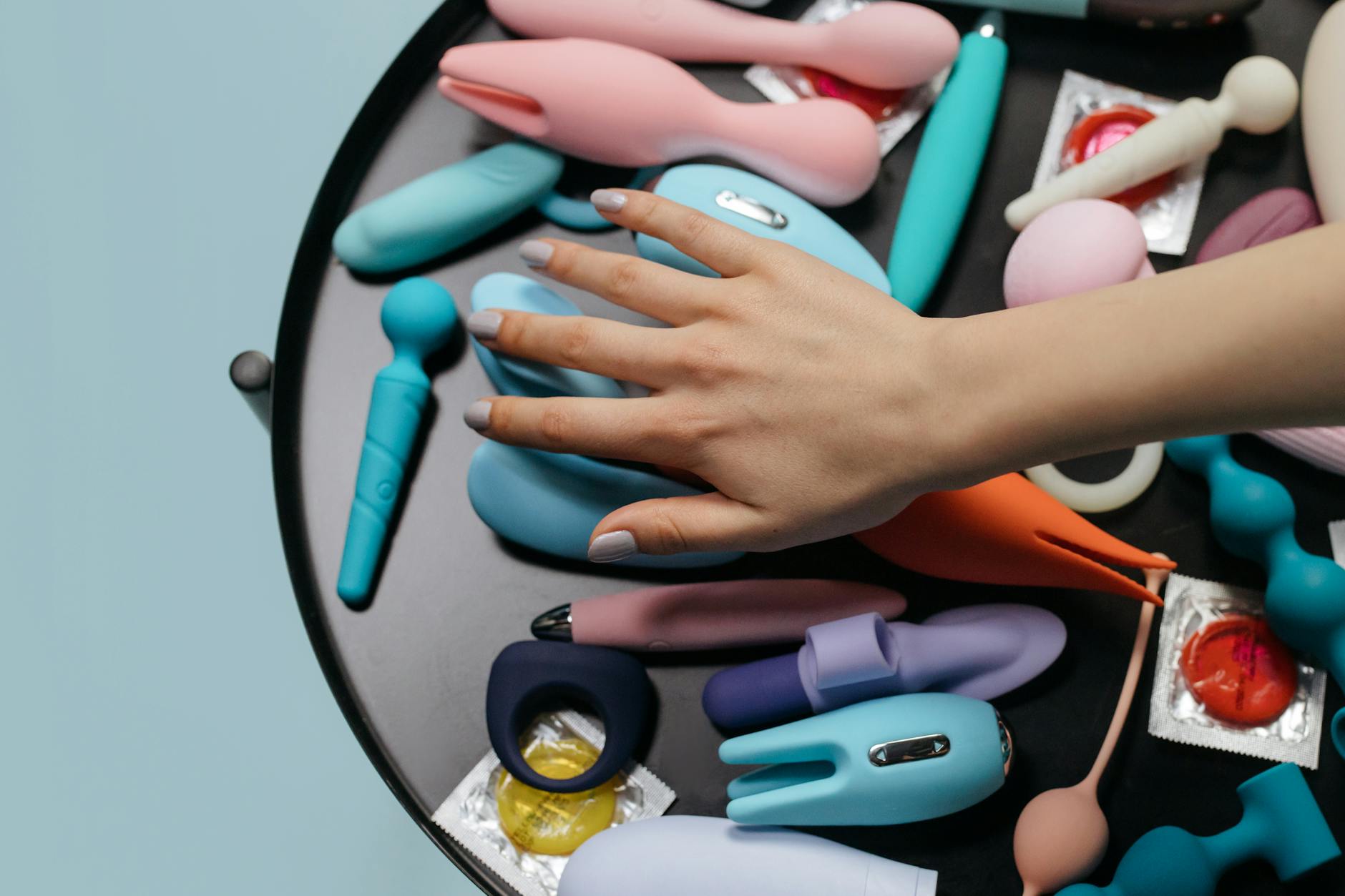
Photo by cottonbro studio on Pexels
Why traditional vibration stops working the same way
Most vibrators apply oscillation directly to the clitoris. At twenty-five, that's efficient. At forty-five, it's sometimes jarring. The intensity is too much, too quickly. You're not broken. Your nervous system is just processing differently.
This is exactly where clitoral suction devices like the Lem vibrator become useful. Instead of vibration hammering sensitive tissue, suction works by creating a gentle vacuum that stimulates the entire clitoral complex, not just the external glans. Suction is slower to build. It's indirect. It distributes sensation across a larger area instead of concentrating it at one point.
For people whose sensitivity has shifted with age, this changes everything. Suddenly the tool matches the body's current preferences instead of fighting against them.
The three ways aging affects what you want
Arousal takes longer. This isn't a problem. It's actually an opportunity to slow down, breathe, and build sensation gradually. Where you might have had five-minute foreplay at thirty, now you're building it over fifteen or twenty minutes. That extended timeline changes what kind of stimulation feels good. Sustained, rhythmic suction beats rapid-fire vibration for slower builds.
Clitoral tissue becomes less uniform in sensitivity. At certain ages and hormonal stages, the clitoral hood might cover more, making the glans harder to access. Or the glans itself becomes more prominent. Direct touching might feel overwhelming one week and muted the next. A lemon clitoral vibrator's wider application area means you can find the exact sweet spot without precision that requires flexibility or focus.
Your nervous system responds to novelty. This is real. The same stimulus year after year produces less response, not because you're numb, but because your brain habituates. Changing the type of stimulation, switching from vibration to suction, or trying different patterns resets that habituation. You're not broken. You just need variation.
What changes and what absolutely doesn't
Let me be clear about what's preserved: your capacity for orgasm doesn't diminish with age. The neural pathways for pleasure don't get pruned. You're not