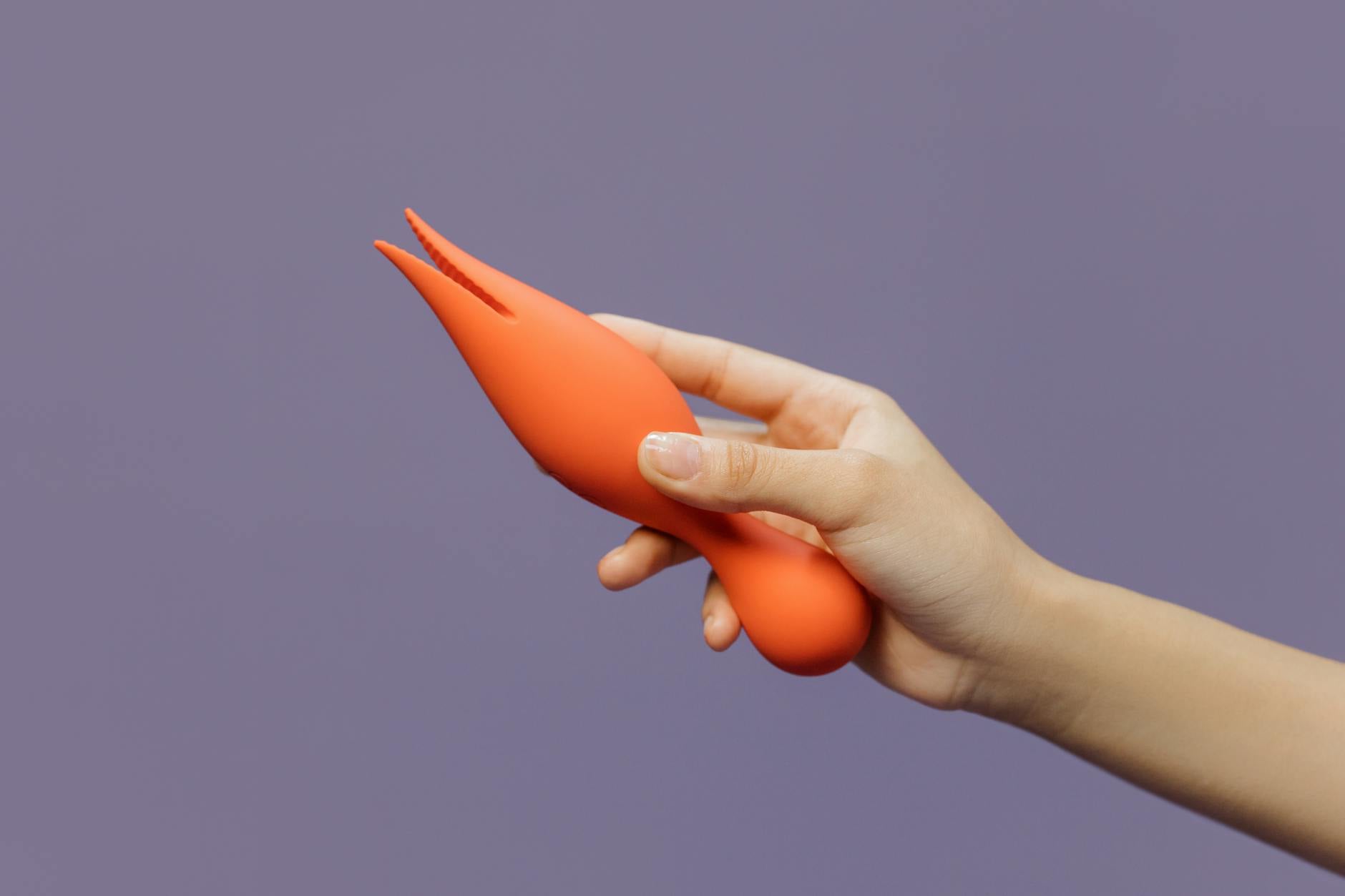
When your medication quiets everything down
Let's be real. You started a new SSRI, switched blood pressure meds, or adjusted your hormone replacement, and suddenly the thing that used to feel electric feels like static. Or nothing at all. Your brain works fine. Your relationship is solid. But your body has gone quiet, and you're grieving something you didn't expect to lose.
Here's the part nobody tells you clearly: medication doesn't kill your capacity for pleasure. It changes how your nervous system signals arousal, and it changes how your body reads and responds to stimulation. These are two different problems, and they need two different solutions.
What actually happens when medication affects arousal
SSRIs (selective serotonin reuptake inhibitors) are the classic culprit, but they're far from alone. Blood pressure medications, some antihistamines, mood stabilizers, and even certain diabetes drugs can flatten desire or make orgasm harder to reach. Here's the mechanism:
SSRIs work by keeping serotonin in your synapses longer. That's great for mood. But serotonin doesn't just regulate depression. It also suppresses dopamine in parts of your brain that fire up during arousal. Less dopamine activation means less desire signaling. Your brain isn't broken. It's just prioritizing chemical balance over that particular kind of excitement.
Blood pressure meds work differently. They relax blood vessel walls so blood flows more easily through arteries. But that same vasodilation matters for genital arousal. Erection, lubrication, clitoral swelling. All of it depends on blood pooling in those tissues. Meds that lower blood pressure mean less engorgement, less sensitivity, less feedback from your body saying yes.
And then there's the middle layer: some medications numb nerve endings or change how freely serotonin and dopamine move. The pathways are still there. The capacity is still there. But the signal is muted.
Why traditional vibrators stop working when medication changes everything
Most vibrators rely on direct, repeated percussion. Buzz. Buzz. Buzz. They're designed to overstimulate a responsive clitoris into orgasm through sheer force. That works beautifully when your nervous system is awake.
When medication has dampened signal transmission, that same buzz becomes background noise. You don't feel it sharply. It doesn't build. And if you do feel it, it's diffuse rather than focused. Turning up the intensity doesn't help. Neither does switching patterns. You're still sending the same signal through a dampened system.
Lemon vibrators work on a completely different principle. Instead of vibration, they use gentle, rhythmic suction. The sensation travels through deeper nerve pathways that medication affects less severely. The suction creates a kind of drawing motion that stimulates tissue without the numbing effect of sustained percussion. For someone whose arousal signal is muted, that difference is often the difference between nothing and something real.
How Lemon's suction-based approach rebuilds sensation
When you use a lemon clitoral vibrator, you're not just adding vibration. You're introducing a completely different tactile experience. The suction gently creates negative pressure around the clitoral area, drawing blood and nerve activation to that tissue. This works on a slower, deeper frequency than buzz.
Here's what matters when you're coming back from medication-induced numbness: suction doesn't require your clitoris to be fully engorged to work. A vibrator needs your tissue swollen and hypersensitive to register. Suction works even when tissue is less responsive. It actually helps wake that tissue up gradually.
Start on the lowest setting. Not because you're broken, but because your nervous system is recalibrating. Spend 10 to 15 minutes letting your body relearn what arousal feels like. You're not chasing orgasm. You're rebuilding the sensory chain from touch to nerves to brain.
Most people report that sensation returns in layers. First, they feel something where they felt nothing. Then, over days or weeks of use, that sensation becomes stronger. Sharper. Then predictable. Then orgasmic.
The timeline and what to expect
If your medication is new, give your body 4 to 6 weeks before you assume you're permanently flattened. Many medications take that long to stabilize. Some people's sensitivity comes back on its own. Others need tools to wake their body back up.
If you're already 3 months in and pleasure hasn't returned, lemon vibrators often become necessary. This isn't about pushing through or trying harder. It's about giving your changed nervous system the right kind of stimulus to remember what arousal feels like.
Start with the Lem on pattern one and stay there for several sessions. Your brain is relearning a pathway. Patience is not a virtue here. It's a strategy.
What to talk about with your doctor
First, don't stop your medication because it's affecting your sex life. That's not the answer. But do have the conversation. Some doctors will adjust your dosage. Others will suggest adding a second medication that counteracts the sexual side effect. A few will recommend switching to an alternative drug in the same class that causes fewer sexual issues.
For SSRIs specifically, sometimes taking them at night instead of morning helps. Sometimes a small dose of buspirone on top of your existing SSRI restores dopamine signaling. For blood pressure meds, sometimes a different class of med in the same category works better for your body.
Your pleasure matters. It's not frivolous. It's not something to sacrifice for your mental health. A good prescriber will work with you to find a combination that manages your condition and doesn't erase this part of your life.
Lubrication, patience, and the rest of the puzzle
Many medications also affect lubrication, either directly or by suppressing arousal so your body doesn't naturally prepare. Use water-based lubricant even if your body normally produces enough. You're not fixing a deficiency. You're reducing friction so your nerve endings can actually feel the sensation instead of just pressure.
If you have a partner, be honest about what's happening. "My medication flattened my arousal" is a completely different conversation than "I'm not attracted to you anymore." They're easy to confuse. Don't. One is biochemistry. The other would require a separate conversation entirely.
Give yourself permission to explore solo first. When you're rebuilding sensation, the pressure to perform for someone else makes everything harder. Let yourself learn what your body is capable of right now, without an audience or an expectation of penetration or partnered sex.
When to see a specialist
If you've tried a lemon clitoral vibrator consistently for 6 weeks and feel no change at all, talk to your doctor again. There might be a different medication option. Or you might benefit from talking to a sex therapist who specializes in medication side effects. They exist. They're trained in this exact problem. And they can often help in ways that stretching or new positions cannot.
Medication didn't end your pleasure. It changed the pathway to it. Lemon vibrators and patience and good information are how you find the new route.
People also ask
Can you rebuild arousal after SSRIs if you stay on them?
Yes. Your body can recalibrate and sometimes spontaneously recover sensitivity even while staying on medication. More often, using the right tools (like lemon vibrators) alongside your prescription helps your nervous system remember how to respond. Some people also benefit from a combination approach: staying on their SSRI at a lower dose while adding a complementary medication like buspiron that restores dopamine signaling.
Why do some lemon vibrators work better than others for medication-related numbness?
The specific suction pattern and intensity range matter. If you've lost sensation from medication, you need a device that works on lower settings and creates a slower, deeper stimulus. The Lem is specifically designed with adjustable intensity and a pattern that starts gentle, which makes it particularly effective for people rebuilding arousal after medication changes.
How long does it take to feel arousal again after medication changes?
Timelines vary, but most people report noticing some shift within 2 to 4 weeks of consistent use with a lemon vibrator. Full restoration of previous arousal levels can take 6 to 12 weeks, depending on the medication and your individual nervous system. Some people never fully return to baseline, but most find a new normal that's deeply satisfying.
Is it normal to need more help getting aroused while on medication?
Completely normal. Medications that affect serotonin, dopamine, or blood flow absolutely impact arousal. This isn't a personal failing or a sign your body is broken. It's a direct physiological effect. Needing tools like lemon vibrators isn't weakness. It's adaptation.
Should I tell my partner my medication is affecting my arousal?
If you're in a partnered relationship, yes. Frame it clearly as "My medication has changed how my arousal works" rather than "I don't want you." These are different facts. Being honest actually strengthens connection because it removes the guessing game and the false narrative that something is wrong with the relationship itself.
Can you orgasm if medication has flattened your arousal?
Yes, and often more easily than you'd expect once you find the right stimulus. Some people's orgasms actually feel different after medication. Not worse, just different. Slower to build, maybe less intense, but sometimes more sustainable. You're not chasing the old sensation. You're discovering the new one.
What comes next
Medication changed your body's signals, not your capacity for pleasure. That distinction is everything. Your nervous system needs different input right now, and lemon clitoral vibrators provide exactly that. Start low, be patient, and give yourself permission to rediscover what arousal feels like in this new chapter.
If you want to talk through what might work best for your specific situation, reach out. We're here.