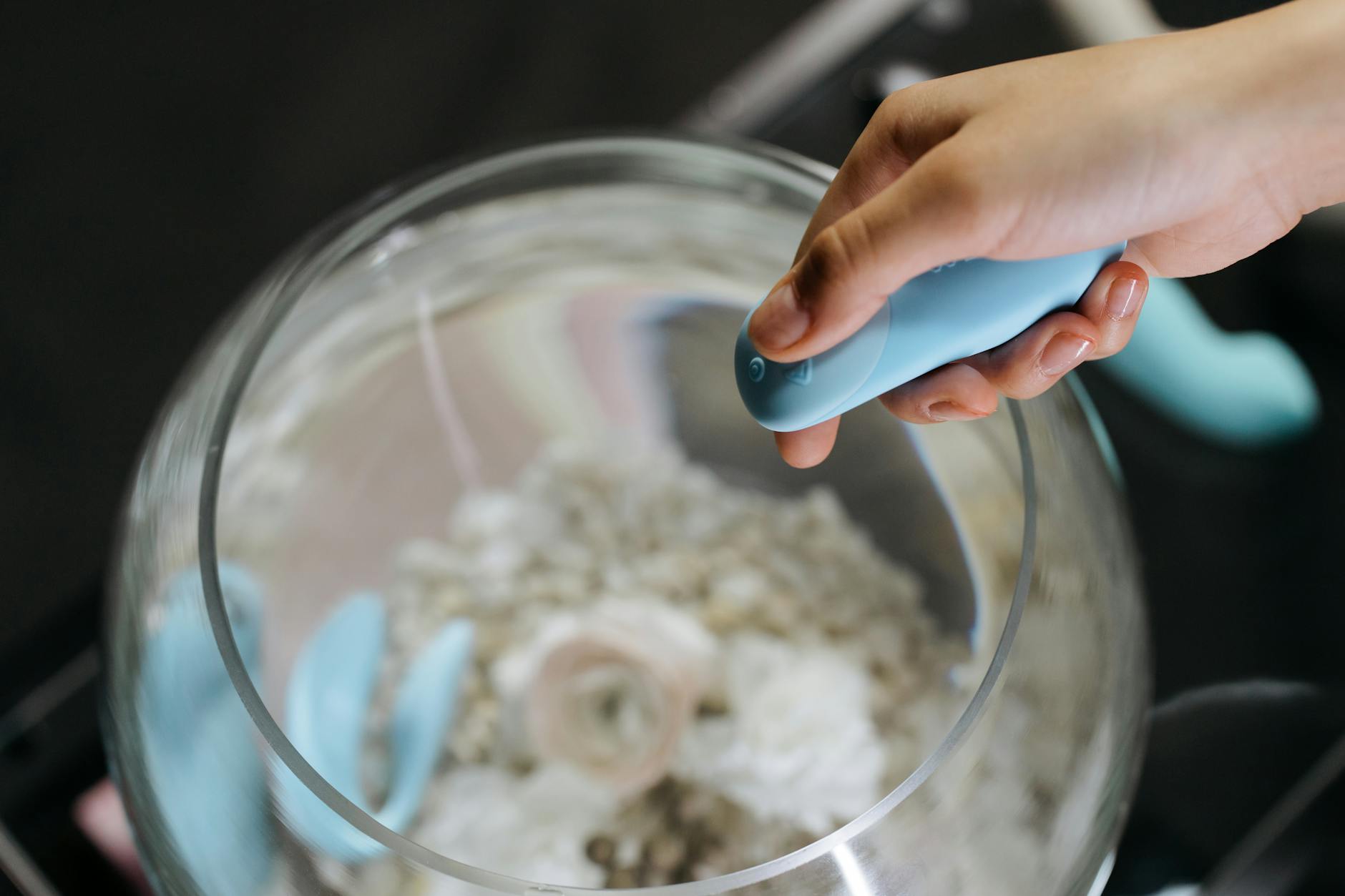
How Lemon Vibrators Feel Different When Using Numbing Products
Topical numbing creams completely change how suction feels on your clitoris. Here's what happens to sensation, why you might want numb feeling, and whether your Lem vibrator still works.
Let's be real: numbing creams feel like cheating. You apply them thinking they'll just take the edge off, and then you pick up your Lem vibrator and suddenly the entire sensation profile shifts. The suction still works. The patterns still pulse. But what you actually feel changes in ways that might surprise you, and not always for the worse.
Numbing products are designed to numb nerve endings temporarily. Your clitoris has roughly 8,000 nerve endings packed into a space the size of a pea. When you apply a topical numbing cream, you're essentially putting a temporary mute button on that density of sensation. That's not a small thing. And if you're using a clitoral vibrator like a Lem that depends on pinpoint stimulation and suction pressure, the math changes entirely.
A lemon clitoral vibrator uses air-suction technology instead of traditional vibration. That means it's creating rhythmic pressure and release, rather than shaking back and forth. This matters hugely when you introduce numbing because the sensation you lose isn't vibration. It's the intense, sharp feeling of direct nerve stimulation.
Here's the neurological breakdown: numbing creams typically contain benzocaine, lidocaine, or prilocaine. These block sodium channels in nerve fibers, which prevents your brain from receiving pain and sensation signals. The clitoris is extremely sensitive by design. It's not built to receive gentle input. It's built to receive intense input. Numb that intensity down even 30-40 percent, and your Lem vibrator's suction pressure suddenly feels less like a focused pinpoint and more like a general pressure.
Some people hate this immediately. Others find it's exactly what they needed.
Three main reasons show up in my practice consistently:
Oversensitivity or pain during touch. Some people have clitoral pain that isn't textbook vaginismus or vulvodynia. It's just... too much. Every sensation feels sharp, almost electrical. For these people, numbing down the top layer of sensation can make a vibrator feel usable instead of painful.
Wanting to last longer. Numbing can slow down the arousal curve, which means orgasm takes longer to build. If you're someone who typically finishes in under five minutes and wants more runway, numbing is one strategy to stretch the experience.
Performance pressure or anxiety. If you're using a lemon vibrator with a partner and you're worried you'll come too quickly or your partner will feel inadequate, numbing can psychologically take the pressure off by making the entire experience feel less intense and urgent.
None of these reasons are bad. But they're worth naming because they change what you should do next.
The Lem creates what's called a "pleasure air" sensation. It builds suction gradually, then releases. This pulse-and-release rhythm is where the Lem's magic lives. Your nerves feel the pressure building, the clitoris retracts slightly into its hood, and then release comes. When you numb that sensation, you're dampening your ability to feel the architecture of that pattern.
What you'll notice: the Lem still works technically. The suction still functions. But you might need to turn it up to intensity levels 4 or 5 instead of your usual 2 or 3. This happens because your numbed nerves require more stimulation to fire. You're asking your nervous system to produce the same pleasure signal with reduced input. It can do it, but it takes more volume.
The other shift is temporal. Without numbing, a 10-minute session with a Lem often builds to a pretty intense finish. With numbing, that same 10 minutes feels more like an extended massage. The buildup flattens. For some people that's disappointing. For others it's revelatory because they get to experience pleasure without the spike.
I'm cautious about recommending numbing broadly, but there are real clinical scenarios where it has a place:
Recovering from clitoral pain or trauma. If you've been dealing with clitoral pain during sex and you're trying to rebuild positive associations with touch, numbing can help you ease back in without your nervous system flooding with alarm signals. Use it as a bridge, not a permanent solution.
Medication side effects. Some antidepressants and blood pressure medications numb sexual sensation as a side effect. If you're on these and you've lost all sensation, numbing cream might seem counterintuitive, but some people report that the ritual of applying it plus the mild additional numbing somehow resets their sensory baseline and makes feeling pleasure possible again. This is worth discussing with your doctor.
Overuse or fatigue. If you've been using your Lem vibrator frequently and your clitoris feels raw or oversensitive, numbing for a session or two can give your tissue a rest while you still get to have pleasure.
Outside these specific situations, numbing is usually a band-aid on a different problem.
If you're reaching for numbing cream, pause and ask yourself what sensation you're actually trying to change. Nine times out of ten, the answer isn't "I need to numb myself." It's one of these:
I need to slow down my arousal. Solution: use your lemon vibrator on lower intensity settings, build a longer warm-up (15-20 minutes instead of 5), and switch to intermittent stimulation (30 seconds on, 30 seconds off) instead of continuous contact.
I'm oversensitive or in pain. Solution: check that you're using water-based lubricant (sometimes people think they don't need lube with suction vibrators, but thinner tissue benefits wildly from it). Switch from continuous suction mode to pulsing mode. Take a break from vibration entirely and try manual stimulation with your hand for a few days.
I'm anxious about performance. Solution: this is less about the vibrator and more about the headspace. Talk to your partner about what you need. It might be that you need to use your Lem vibrator solo first to rebuild confidence, or you need your partner to stop watching and just feel. That conversation matters more than any product change.
Here's what matters most: pleasure and sensation aren't the same thing. This is counterintuitive, which is why so many people assume numbing sensation equals numbing pleasure. Actually, you can have intense pleasure with reduced sensation, and you can have vivid sensation with no pleasure at all. The two sit in different neural pathways.
When you numb just the surface sensation, you're not always dampening the deeper pleasure response. Sometimes you're actually removing the noise that was blocking the signal underneath. But you're also playing with variables you can't fully predict, and that unpredictability can lead to sessions where nothing happens at all.
If you've read all this and you still want to use a numbing cream with your Lem vibrator, okay. But do it with intention, not accident. That means:
Wait 10-15 minutes after applying the numbing cream before you start. Let it actually work.
Start with the lowest intensity setting and work your way up. Your baseline for "enough stimulation" has shifted.
Set a time limit. Use numbing for one or two sessions, then take a break and feel your normal sensation again. Your nervous system adapts quickly to anything you repeat, and you don't want numbing to become your baseline.
Track what changes beyond sensation. How does your orgasm feel? How long does it take? Does your body feel differently afterward? These data points matter.
Talk to a partner if you're using it partnered. They should know that your sensation is dampened, not because something is wrong with you, but because you're experimenting with how different inputs shift your pleasure.
If you find yourself reaching for numbing cream every single session, or if you're using increasingly strong numbing products, that's a signal that something is off. It might be pain that needs clinical attention. It might be anxiety that needs a therapist. It might be that your Lem vibrator isn't the right tool for your body.
The bottom line: numbing is not inherently wrong. It's just a tool. And like any tool, it works best when you know exactly what problem you're solving and when to set it down.
Yes, but go easy on the lube. Numbing creams are already slippery, and adding a full-dose water-based lubricant can make the entire area too slick for your suction vibrator to create proper grip. Use a thin layer of numbing, wait 10 minutes, then add just enough lube to feel comfortable. You might need way less than you think.
No. Numbing cream won't harm the silicone or electronics of your lemon clitoral vibrator. Just make sure you clean it thoroughly after use like you always would.
Most topical numbing creams stay active for 15-30 minutes, with effects fading gradually after that. So if you apply at time zero, you've got a window of about 20-25 minutes of diminished sensation before normal feeling returns. Plan accordingly.
Using numbing cream occasionally is safe. Using it multiple times per week long-term can potentially lead to skin thinning in that area, so it's not something to make a regular habit. If you're thinking about frequent use, talk to a gynecologist.
Not well, no. Numbing works by blocking sensation you already have. If your clitoris is already numb from medication, nerve damage, or other causes, adding numbing cream on top won't help. This is a situation where you need a different approach entirely, possibly with a healthcare provider.
They might notice that you're less responsive, or that it takes longer to reach orgasm. They probably won't notice the cream itself unless you tell them or they're very attuned to subtle changes. If you're using it, your partner should know why, so they don't internalize a slower response as a sign they're doing something wrong.
Your clitoris and your Lem vibrator are exquisitely sensitive tools designed to work together. Before you dampen that sensitivity, make sure you're not just numbing away a problem that has a cleaner solution on the other side. Sometimes the answer is numbing. Most times, it's not.